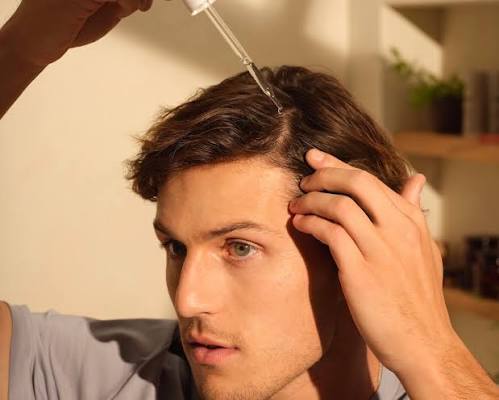

There might be a possibility that you must have ever noticed once in a lifetime that hair seems to fall during a very particular time of the year? Maybe your hair feels fine during the season of winter or even summer. You may notice extra strands in the shower during summer or perhaps every year around the same season, your hairbrush seems to collect more hair than usual.
Experts suggest that the hair-growth cycle can show seasonal patterns. Changes in the proportion of hair in the resting phase at different times of the year with some experts observed increased shedding towards late summer as well as early autumn. The amount and timing can vary between people and locations.
So, seasonal changes in hair shedding appear to be very real. But not every case of hair fall that happens in summer, winter or even monsoon season should be because of the season change and you need to know that the season is only one small part of the story.
What Is Seasonal Hair Fall?
Seasonal hair fall refers to a temporary increase in hair shedding that appears to follow a seasonal pattern.
Your hair naturally goes through different stages:
- Growth
- Transition
- Rest
- Shedding
Not every hair is in the same stage at the same time.
A greater proportion of scalp hairs can totally enter the resting phase during certain parts of the year. When these hairs eventually shed then you may notice more hair coming out than usual.
Why Does Hair Fall More in Specific Seasons?
Possible influences include changes in:
- Daylight exposure
- Temperature
- Humidity
- Sun exposure
- Hormonal signals
- Hair-growth cycles
- Scalp and hair condition
Your lifestyle also changes with the seasons and those changes can have a major impact on your hair.
Is Summer Hair Fall Real?
Summer can bring changes that affect both the scalp as well as hair. Hot weather can totally make the scalp feel oilier and sweatier. You may also wash your hair more frequently. Sun exposure can affect the hair shaft. If you are swimming in chlorinated water then it can contribute to dryness and damage.
You may also spend more time outdoors which means more exposure to heat, sunlight, sweat as well as environmental pollutants. All of these factors can totally influence how your hair feels and behaves. But increased shedding during summer may also be part of the natural seasonal hair cycle.
Does Monsoon Cause Hair Fall?
Monsoon can really bring another set of challenges. Higher humidity can totally make the scalp feel sweaty as well as uncomfortable. Hair may become frizzy, sticky or quite difficult to manage.
People may also keep their hair tied up more often when it is humid or raining. If the scalp remains damp for long periods which is especially when combined with sweat as well as product buildup then it may feel uncomfortable as well as can aggravate existing scalp problems in some people.
What About Winter Hair Fall?
Winter can affect the condition of your scalp and hair differently. Cold, dry weather can make the scalp as well as hair feel drier. Hot showers may further strip moisture from the skin and hair.
This can contribute to:
- Dryness
- Frizz
- Roughness
- Scalp irritation
- Hair breakage
It is important to distinguish hair breakage from hair shedding. Breakage generally occurs when the hair shaft snaps.
Shedding occurs when a hair completes its growth cycle and falls from the follicle. If you are seeing lots of short, broken pieces rather than complete strands, dryness as well as mechanical damage may be contributing to the total problem.
How Can You Tell If Your Hair Fall Is Seasonal?
There is no perfect home test. But a few patterns can provide useful clues.
Seasonal shedding may be more likely if:
- It happens around the same time each year
- The increase is relatively mild
- There are no bald patches
- Your overall hair density remains stable
- Shedding settles after a period
- There are no major scalp symptoms
On the other hand, you should pay more attention if you notice:
- Progressive thinning
- A widening centre part
- Receding hairline
- Bald patches
- Persistent excessive shedding
- Significant scalp inflammation
- Pain or crusting
- Hair loss continuing for several months
These signs may indicate something other than simple seasonal shedding.
Does Your Shampoo Matter During Seasonal Hair Fall?
When people generally notice extra shedding then they quite often search for the best hairfall shampoo. The best shampoo for hair can literally be part of a healthy hair-care routine.
It can totally help keep the scalp clean. It also works wonderfully to remove sweat, oil as well as product buildup. It is very crucial to understand what shampoo can realistically do.
If your increased shedding is related to a natural change in the hair cycle then changing shampoo will not necessarily stop every loose hair.
Which Shampoo Should Be Considered for Seasonal Hair Fall?
There is no single best anti hair fall shampoo for men and women which totally works the same for everyone. Your shampoo should be chosen according to your scalp condition, hair texture as well as washing needs.
The ultimate goal is not to find a magical shampoo that totally prevents every strand from falling. The goal is to keep the scalp as well as hair in good condition while you understand why the shedding is happening.
Wrapping Up
Hair does not exist outside the rest of your body. Your hair-growth cycle can really be influenced by biological processes, environmental conditions and stress. Other factors include illness, hormones, nutrition as well as genetics.
Seasonal changes may play a very crucial role in how much hair you shed at certain times of the year. The total effect is not identical for everyone. Experts support the existence of seasonal patterns. It also shows that climate as well as other factors can influence the timing.
So if you suddenly notice more hair in your shower during summer, monsoon or autumn, don’t panic. If you are searching for the best shampoo for hair fall then you need to remember that shampoo can support scalp as well as hair care. It cannot diagnose or treat every cause of hair loss. Sometimes the extra strands are simply part of the hair cycle and sometimes, they are your body’s way of telling you to look a little closer.