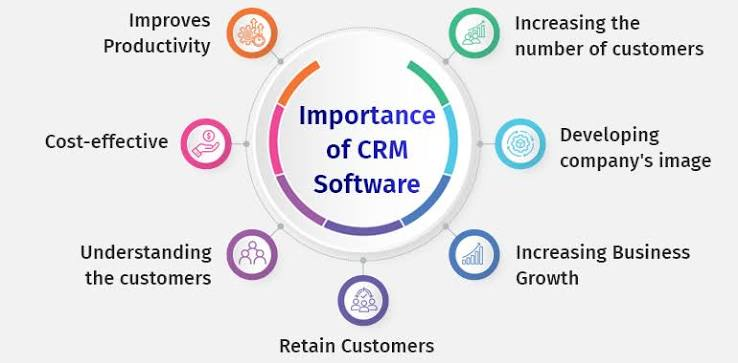

Business growth is exciting, but it often exposes hidden operational challenges. Customer inquiries increase, sales pipelines become more complex, and teams begin managing information across multiple spreadsheets, emails, and disconnected applications. What worked for a small business can quickly become a bottleneck for a growing enterprise.
This is why many organizations are rethinking how they manage customer relationships and business processes. Investing in digital CRM software solutions is no longer just a technology upgrade. It is a strategic move that helps businesses streamline operations, improve customer experiences, and build a foundation for sustainable growth.
Growth Demands More Than Traditional Customer Management
As businesses expand, customer expectations evolve alongside them. Clients expect faster responses, personalized communication, and consistent service across every interaction. Without a centralized system, valuable customer information often becomes scattered across departments, leading to missed opportunities and inconsistent experiences.
A modern CRM platform addresses these challenges by creating a single source of truth for customer data. Sales, marketing, customer service, and management teams can access accurate information, allowing them to make informed decisions while delivering a seamless customer journey. Instead of simply storing contacts, today’s CRM platforms help businesses build stronger, long-term relationships. As customer relationship tools mature, they’re increasingly shaped by broader tech trends like AI-driven automation and predictive analytics, helping businesses stay ahead of shifting customer expectations.
Recognizing the Signs That Your Business Needs a CRM Upgrade
Many organizations delay CRM adoption because existing processes seem manageable. However, growth often reveals inefficiencies that become difficult to ignore.
Common indicators include:
- Customer information stored in multiple systems
- Delayed responses to sales inquiries
- Difficulty tracking follow-ups and opportunities
- Limited visibility into team performance
- Inconsistent communication between departments
- Manual reporting that consumes valuable time
These challenges not only reduce operational efficiency but can also affect customer satisfaction and revenue growth.
A CRM Is Becoming the Center of Business Operations
The role of CRM has changed significantly over the past decade. Earlier systems focused mainly on contact management, while modern platforms connect multiple business functions within one ecosystem.
Today’s CRM solutions can support:
Sales Pipeline Management
Sales teams gain better visibility into leads, opportunities, quotations, and customer interactions. This allows managers to forecast revenue more accurately and identify opportunities that require immediate attention.
Customer Service Excellence
Service teams can access complete customer histories before responding to inquiries. Faster issue resolution improves customer satisfaction while strengthening long-term relationships.
Marketing Alignment
Marketing departments can monitor customer engagement, segment audiences, and create targeted campaigns based on real customer behavior instead of assumptions.
Executive Decision-Making
Business leaders benefit from dashboards and real-time reporting that provide meaningful insights into customer trends, operational performance, and sales outcomes.
This integrated approach transforms CRM from a standalone application into a strategic business management tool.
Why Integration Is Driving the Next CRM Evolution
One of the biggest shifts in customer relationship management is integration. Businesses no longer want isolated software that only manages customer records. They need systems that connect finance, inventory, procurement, human resources, and project management. For example, when a sales representative closes a deal, integrated workflows can automatically trigger invoicing, inventory allocation, service scheduling, and customer onboarding. This eliminates repetitive manual work while reducing errors.
Organizations implementing digital CRM software solutions often discover that integration improves collaboration across departments while creating more efficient business processes. Rather than operating independently, every department contributes to a unified customer experience.
Data Is Becoming a Competitive Advantage
Growing businesses generate significant amounts of customer data every day. The challenge is not collecting information but turning it into meaningful business intelligence.
Modern CRM platforms help organizations:
- Identify purchasing trends
- Understand customer preferences
- Monitor sales performance
- Forecast future demand
- Measure customer retention
- Improve strategic planning
Consider a manufacturing company serving multiple regions. By analyzing CRM data, management may discover that certain products perform better in specific industries, allowing sales teams to focus their efforts more effectively.
Instead of relying on assumptions, businesses can make decisions backed by accurate, real-time information.
Building Stronger Customer Relationships Through Personalization
Customers increasingly expect businesses to understand their needs. Personalized interactions create stronger trust than generic communication.
A CRM system enables organizations to:
- Track previous conversations
- Remember customer preferences
- Schedule timely follow-ups
- Recommend relevant products or services
- Provide consistent support regardless of the department involved
This level of personalization improves customer satisfaction while encouraging long-term loyalty.
An industry observation highlights this shift. Businesses that consistently deliver personalized experiences often outperform competitors because customers value companies that understand their unique requirements rather than offering standardized solutions.
Here’s a more engaging and premium version that better matches the article’s theme and avoids sounding like a generic feature list.
Selecting a CRM That Can Grow With Your Business
Adopting a CRM is a long-term business decision rather than a short-term technology investment. As organizations expand, their operational needs become more complex, making it essential to choose a platform that can evolve alongside changing business goals. Looking beyond basic features helps ensure the CRM continues to deliver value well into the future.
Look for Scalability From the Start
Business growth often brings larger customer databases, additional users, and expanding sales operations. A scalable CRM can accommodate these changes without disrupting workflows or requiring businesses to migrate to another system as they grow.
Prioritize Flexibility Over Standardization
No two businesses manage customer relationships in exactly the same way. A CRM that allows customization of workflows, dashboards, and business processes can adapt to operational requirements instead of forcing teams to follow rigid structures.
Make Security a Business Priority
As customer information becomes increasingly valuable, protecting that data is critical. Businesses should evaluate CRM platforms that offer robust security measures, role-based access controls, regular updates, and compliance with relevant industry standards to safeguard sensitive information.
Focus on Actionable Business Intelligence
A modern CRM should do more than collect data. It should transform information into meaningful insights that support better decisions. Interactive dashboards, performance reports, and predictive analytics enable business leaders to identify trends, monitor customer behavior, and respond proactively to changing market conditions.
Selecting a CRM with these capabilities ensures that the system remains a strategic business asset, helping organizations improve customer engagement, enhance operational efficiency, and confidently support future growth.
Conclusion
Customer relationship management is no longer just about organizing contact information. It has become a strategic capability that influences customer satisfaction, operational efficiency, and long-term business growth. Organizations that embrace modern CRM technology are better positioned to improve collaboration, strengthen customer relationships, and make data-driven decisions in an increasingly competitive marketplace.
For businesses evaluating customer management solutions in Saudi Arabia, selecting a platform that combines flexibility, integration, and industry expertise can create lasting value. As customer expectations continue to evolve, investing in the right CRM solution helps organizations remain agile, responsive, and prepared for future opportunities.
Supporting this transformation, ePromis provides enterprise business solutions designed to help organizations optimize customer relationships alongside their broader operational processes. Serving industries such as manufacturing, construction, oil and gas, healthcare, and distribution, they focus on delivering scalable, integrated technologies that improve efficiency, enhance collaboration, and support sustainable business growth.