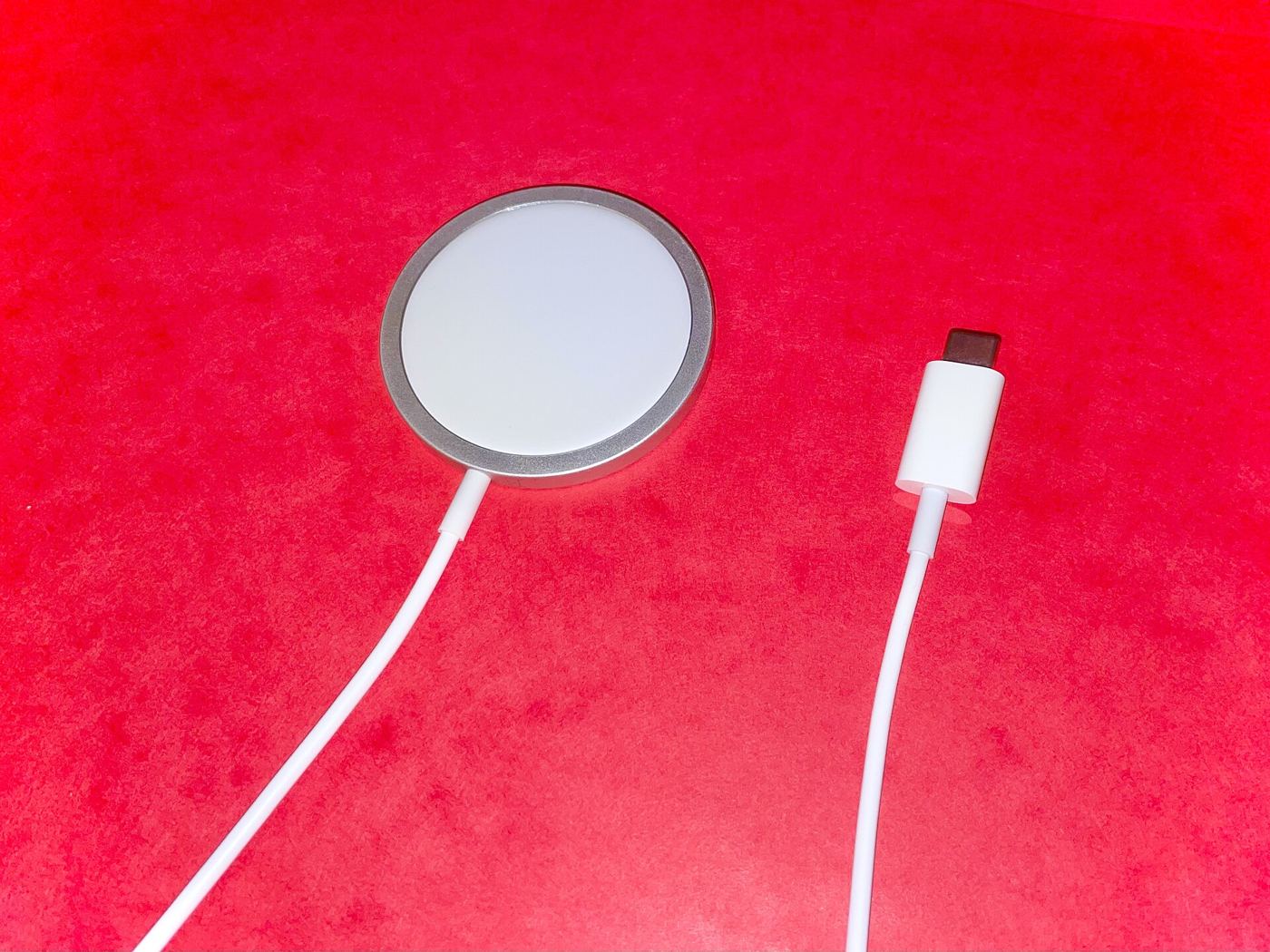

Charging a phone used to mean finding the right cable and plugging it in, but a growing number of phones now charge simply by being placed on a pad. Wireless charging works through a coil inside the pad that creates a magnetic field, which induces a current in a matching coil inside the phone and slowly fills its battery. The phone can be picked up and put down at any time, so a charger on a desk or a bedside table tops up the battery in small bursts through the day, and there is no cable to wear out or lose. Cafes, airports and car makers have built charging pads into tables, armrests and dashboards, and some pads can charge a phone, a watch and earbuds all at once.
What the Evidence Shows
Wireless charging is convenient, but it has trade-offs. It is slower than charging through a cable, and some of the energy is lost as heat, so a phone can feel warm after a long charge. The phone must sit in the right spot on the pad, and a thick case can block the connection, which is why many pads now use magnets to snap the phone into place. A new standard called Qi2 adds magnetic alignment to more devices, promising faster and more reliable charging across brands. For now, most owners use wireless charging as a top-up during the day and a cable when they need a full charge quickly. The cable is unlikely to disappear entirely, but the sight of a phone simply resting on a pad to charge has become an everyday part of modern life. Reporting and analysis from sources such as IEEE Spectrum track the same developments, and specialists following the wireless chargers topping up phones without cables say the direction is now consistent across independent lines of evidence.
The Wider Context
Adoption of the wireless chargers topping up phones without cables follows a familiar pattern with an unfamiliar speed. Early users tolerate rough edges in exchange for advantage, mainstream users arrive when the tool disappears into existing workflows, and the market consolidates around whoever made that transition feel effortless. Vendors are racing less on raw performance now than on integration, support and trust.
What Happens Next
The realistic forecast for the wireless chargers topping up phones without cables is steady integration rather than sudden replacement: embedded in products people already use, improving in increments, and regulated in proportion to its reach. The companies and institutions that plan on that basis, training staff and redesigning processes instead of chasing launches, are the ones the adoption data tends to vindicate. You can follow related developments in our coverage of technology.
It is also worth remembering how quickly the picture in this area has changed before. Positions that looked settled a few years ago have been revised as new data arrived, and the same humility is appropriate now. The strongest coverage of this subject, and the most useful advice, tends to come from sources that update their views openly when the facts move, rather than defending an earlier position long after it has stopped fitting the evidence available.