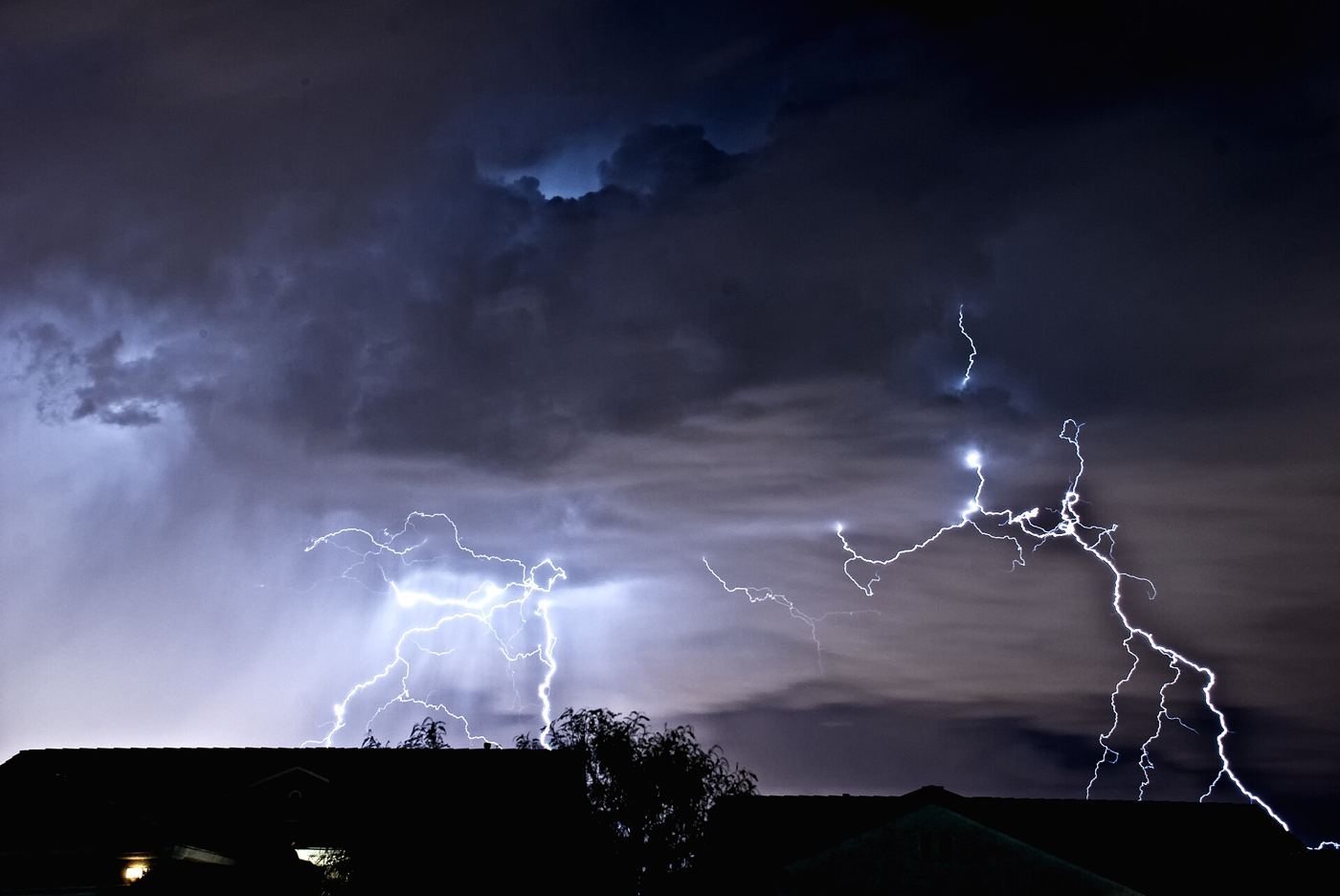

Schools are adding lightning safety lessons after a storm season that brought more thunderstorms than usual, with teachers explaining how to recognise the signs of an approaching storm and what to do when one arrives. The lessons cover the basic rule of seeking shelter indoors as soon as thunder is heard, staying away from tall trees and metal fences, and waiting until well after the last flash before going back outside. Teachers said many children had never been taught these rules, and that a short lesson each year could prevent injuries during outdoor games and school trips. Parents welcomed the move, noting that summer storms often arrive suddenly while children are playing in parks or walking home. The programme was developed with weather experts, who provided simple guidance and short videos showing how lightning behaves during a storm. The programme also covers what to do if a storm arrives during a school trip or an outdoor sports fixture.
What the Evidence Shows
Weather forecasters said lightning remained one of the most underestimated dangers of summer storms, because people often judged the risk by how far away the storm looked rather than by the sound of thunder. They advised that if you can hear thunder, you are close enough to be struck, and that the safest place is inside a substantial building or a hard-topped car. Schools said the lessons would be repeated each spring, before the storm season, and that playground supervisors would also be trained in the same guidance. Local councils added that sports clubs and summer camps would be offered the materials too, so the message reached children outside school hours. Experts stressed that the advice was simple and easy to remember, and that following it during a storm could make the difference between a frightening afternoon and a serious injury. Teachers said the lessons were short, practical and easy for children of all ages to remember. Reporting and analysis from sources such as BBC News track the same developments, and specialists following the school lightning safety lessons say the direction is now consistent across independent lines of evidence.
The Wider Context
The wider context is a public conversation conducted at a speed institutions were not built for. Developments around the school lightning safety lessons are announced, contested and revised within a single news cycle, and the officials involved have learned to publish evidence alongside claims so that scrutiny can actually occur. Trust, the polling suggests, follows that transparency more than it follows confidence.
What Happens Next
What happens next in the story of the school lightning safety lessons will be decided in the places where it is being implemented, measured and argued about in public. The officials and organisations involved have committed to publishing progress data, and that commitment gives residents, businesses and journalists something firmer than promises to judge. The next milestones are dated, which means they can be checked. You can follow related developments in our coverage of news.
None of this will be settled by a single announcement, study or product launch. The pattern to watch is accumulation: independent confirmations, honest reporting of failures and steady improvement in the underlying numbers. Readers who follow those signals, rather than the loudest claim of the week, will understand this subject better than most of the commentary surrounding it suggests is possible.