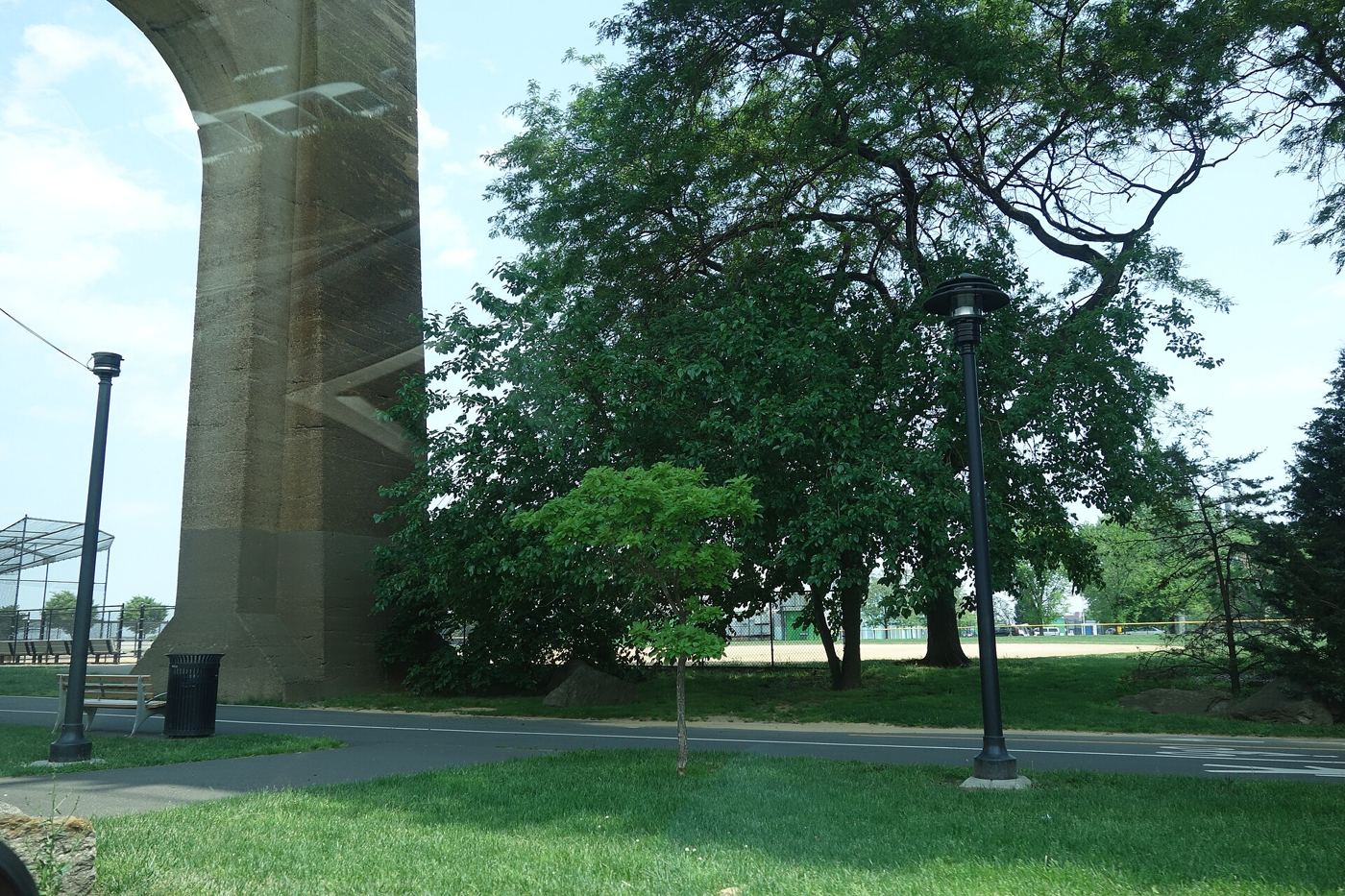

Community orchards are taking root in public parks this planting season, as councils give over quiet corners of green space to apple, pear, plum and cherry trees that local people will help care for and harvest together. The idea is deliberately simple, turning underused grass into a shared food source, a home for pollinating insects and a reason for neighbours to meet outdoors through the year. Each orchard begins with a small group of volunteers who learn pruning, watering and mulching from park gardeners, then pass those skills on at open sessions where anyone can join in without experience. Schools near the first sites are adopting individual trees, recording blossom dates, insect visits and fruit development as part of science and food lessons across the seasons. Park managers stress the orchards are additions, not replacements, so sports pitches, play areas and open lawns stay exactly as they were while the trees occupy edges and sheltered corners. Fruit will be free for anyone to pick when ripe, with community harvest days planned so crops are shared fairly rather than stripped early by a few visitors before others get a chance to enjoy them.
What the Evidence Shows
Choosing the right varieties matters more than the number of trees planted, so gardeners favour types suited to local soil and weather, including older regional varieties that supermarkets rarely sell. Young trees need regular watering through their first two summers, the task volunteers say decides whether an orchard thrives or quietly fails, so watering rotas are agreed before planting day rather than afterwards. Signs at each site will explain when fruit is ready, how to pick without damaging branches and why leaving some windfalls benefits birds and insects through the colder months. Councils also hope the orchards soften the effects of hot summers, adding shade and helping rain soak into ground instead of running straight into drains. Grants for tools, guards and benches have come from local health and environment funds, which view the orchards as long term community assets rather than one season projects. The first blossom next spring will be the real celebration, the moment residents see the trees they planted begin the cycle they will share for years. Volunteers say the orchards also give teenagers a constructive outdoor role, from building insect hotels beside the trees to helping younger children press apples at the autumn harvest days each year. Reporting and analysis from sources such as Reuters track the same developments, and specialists following community orchards planted in public parks say the direction is now consistent across independent lines of evidence.
The Wider Context
The wider context is a public conversation conducted at a speed institutions were not built for. Developments around community orchards planted in public parks are announced, contested and revised within a single news cycle, and the officials involved have learned to publish evidence alongside claims so that scrutiny can actually occur. Trust, the polling suggests, follows that transparency more than it follows confidence.
What Happens Next
What happens next in the story of community orchards planted in public parks will be decided in the places where it is being implemented, measured and argued about in public. The officials and organisations involved have committed to publishing progress data, and that commitment gives residents, businesses and journalists something firmer than promises to judge. The next milestones are dated, which means they can be checked. You can follow related developments in our coverage of news.
There is a practical lesson in all of this for readers deciding what to do today. Start with the verified facts, be wary of anyone promising certainty, and prefer reversible steps while the evidence is still developing. Circumstances differ by country, income and personal situation, so general guidance should always be weighed against your own context before you act on it in any significant or lasting way.