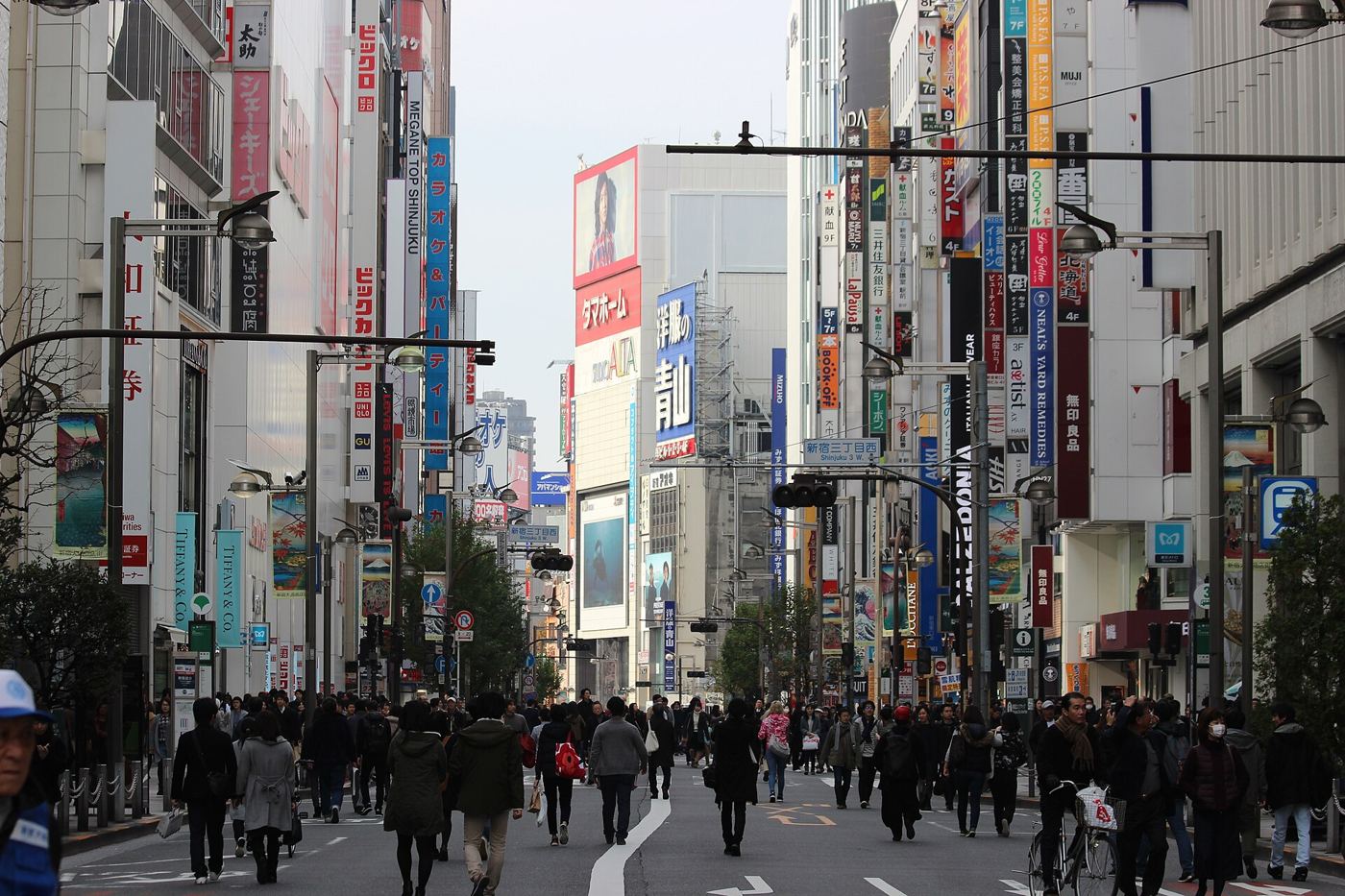

More city streets are closing to cars, with councils pedestrianising shopping streets and market squares so that people can walk, sit and shop without traffic. The schemes usually start as trials, with planters and barriers replacing parked cars, and many have become permanent after residents and traders reported that the streets felt safer and more pleasant. Shopkeepers say footfall often rises once the traffic is gone, since people linger longer when they are not dodging vehicles. Parents welcome the change too, letting children walk to school or play outside without the constant worry of passing cars. Critics argue that closing streets pushes traffic onto neighbouring roads and makes deliveries harder, but supporters say the evidence from cities that have tried it is largely positive, with cleaner air and busier shops. Traders who were doubtful at first say the quieter streets have brought more browsers, and many now back the changes.
What the Evidence Shows
Urban planners say the success of a car-free street depends on the details, from delivery times for shops to safe routes for buses and emergency vehicles. They explain that the best schemes keep access for residents and deliveries in the early morning, while giving the street back to pedestrians for the rest of the day. Some cities have gone further, creating whole districts where cars are guests rather than owners of the road, with lower speed limits and shared surfaces. Health experts welcome the shift, pointing out that people walk more when streets feel safe, which brings exercise into everyday life without anyone needing a gym. For the cities that have embraced it, the car-free street is a small change with a visible effect: a road that was once a place to pass through becomes a place to spend time. Reporting and analysis from sources such as BBC News track the same developments, and specialists following the spread of car-free streets say the direction is now consistent across independent lines of evidence.
The Wider Context
The wider context is a public conversation conducted at a speed institutions were not built for. Developments around the spread of car-free streets are announced, contested and revised within a single news cycle, and the officials involved have learned to publish evidence alongside claims so that scrutiny can actually occur. Trust, the polling suggests, follows that transparency more than it follows confidence.
What Happens Next
What happens next in the story of the spread of car-free streets will be decided in the places where it is being implemented, measured and argued about in public. The officials and organisations involved have committed to publishing progress data, and that commitment gives residents, businesses and journalists something firmer than promises to judge. The next milestones are dated, which means they can be checked. You can follow related developments in our coverage of news.
None of this will be settled by a single announcement, study or product launch. The pattern to watch is accumulation: independent confirmations, honest reporting of failures and steady improvement in the underlying numbers. Readers who follow those signals, rather than the loudest claim of the week, will understand this subject better than most of the commentary surrounding it suggests is possible.