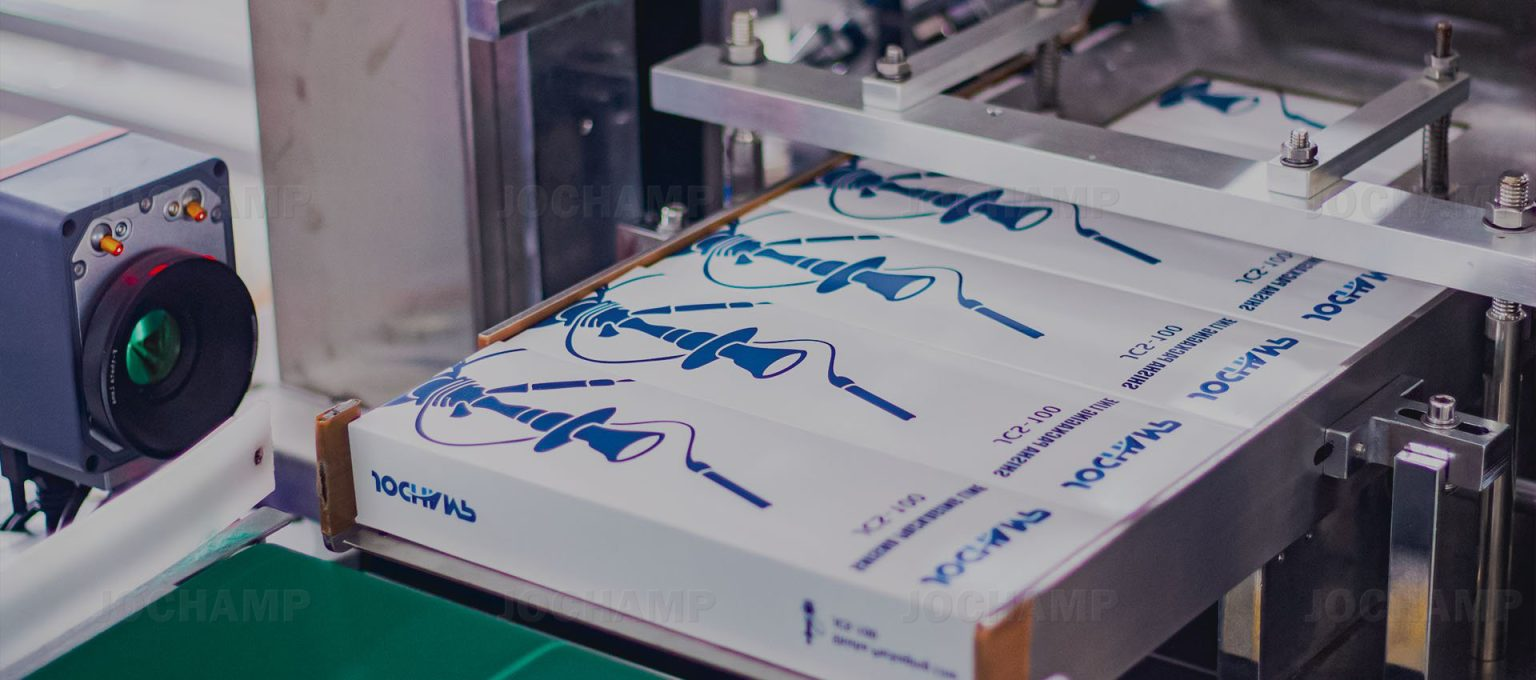

A product may pass every manufacturing inspection and still face challenges before reaching the customer. Between leaving the production facility and appearing on a retail shelf, packaged goods can be handled by warehouse employees, transported in vehicles, transferred between distribution centres, and arranged by store staff. During this journey, the outer carton becomes an important part of how the product is protected and presented.
This is particularly relevant for products sold in small, rigid cartons. Their packaging needs to maintain a clean appearance while helping prevent dust, moisture, and unnecessary handling from affecting the surface. A transparent outer layer can provide an additional barrier without hiding the original artwork, colours, or printed information. For manufacturers looking to standardize this finishing stage, acellophane overwrapping machine can automate the application of protective film around individual cartons.
Although the wrapping process may appear simple, its influence extends beyond appearance. It can affect warehouse handling, retail presentation, package integrity, and the overall consistency of products distributed under the same brand.
Packaging Has a Different Job After Production Ends
Inside a factory, cartons are usually handled under controlled conditions. Production employees know how products are arranged, where materials are stored, and how finished packages should be moved. Once goods enter the distribution network, however, manufacturers have less control over their surroundings.
Packages may encounter changes in temperature, varying humidity levels, dust, friction, and repeated movement. Cartons can also rub against one another during transportation, particularly when products are packed tightly into larger shipping cases.
An additional film layer can help reduce direct exposure to some external contaminants and everyday handling. It does not replace suitable shipping cartons or proper storage practices, but it provides another level of packaging around the individual retail unit.
Manufacturers should consider the entire journey when deciding how much protection a product needs. Packaging designed only for the factory environment may not be sufficient for the conditions encountered during distribution.
Transparent Film Preserves the Original Product Design
Retail packaging often carries important visual information. Colour combinations, logos, product names, regulatory details, and distinctive artwork help customers recognize a product. Covering these elements with an opaque material would interfere with the original presentation.
Transparent wrapping offers a different approach. It creates an outer layer while allowing the carton design to remain visible. This can be useful for products that depend on carefully designed packaging to maintain a recognizable appearance across different retail locations.
The quality of the finished wrap is important. Loose sections, excessive wrinkles, damaged corners, or poorly finished edges can make even a well-designed carton look less professional. Consistent film positioning and sealing therefore contribute to the overall presentation.
Manufacturers should evaluate finished samples under normal retail lighting rather than inspecting them only on the production floor. This helps reveal visual imperfections that might be less noticeable under factory lighting.
The Importance of Package Integrity During Distribution
Retail products are frequently exposed to situations where their packaging may be opened, disturbed, or damaged before reaching the intended customer. A properly applied outer film can make unwanted interference more visible and provide a useful indication of package condition.
Some packaging configurations also incorporate tear tape, allowing customers to remove the film through a designated opening point. This feature can make opening more convenient while helping maintain a neat appearance before the package is used.
However, manufacturers should understand the distinction between protective wrapping and certified security systems. A film layer alone does not guarantee authenticity or prevent every form of tampering. Products with strict security requirements may need additional measures such as serialized labels, authentication codes, or specialized seals.
The right combination depends on the product, distribution environment, and applicable industry requirements.
Choose Film According to the Packaging Environment
Not every film performs identically. Material selection should account for the carton surface, required transparency, sealing method, storage conditions, and expected handling.
BOPP and cellophane are two materials used in overwrapping applications. Their characteristics differ, so manufacturers should assess compatibility before selecting a specific film. They should also consider how the material behaves during feeding, folding, and heat sealing.
For instance, a film that looks suitable in a sample may behave differently when processed continuously at production speed. Feeding stability, sealing consistency, and resistance to tearing should all be evaluated during equipment trials.
Paper-based wrapping may also be worth considering for businesses exploring alternative packaging materials. Its suitability depends on the required finish, protective performance, and production process.
Testing actual cartons with the intended wrapping material is more reliable than making a decision based on appearance alone.
Design the Wrapping Process Around Carton Geometry
Carton shape influences how film moves around the product. Straight edges, corner structures, surface coatings, and overall dimensions can affect the final result. Even cartons with similar measurements may behave differently if their construction or surface finish varies.
A suitable machine configuration should account for the complete range of carton dimensions rather than focusing on one standard package. Manufacturers should review feeding accuracy, film positioning, folding performance, sealing quality, and discharge arrangements.
An automated system generally moves cartons through several coordinated stages. Film is supplied from a roll, products enter through an infeed arrangement, the wrapping unit forms the film around each carton, and a sealing station secures the finished package. Depending on the configuration, tear tape can also be applied before the wrapped carton reaches the exit conveyor.
This sequence makes accurate synchronization important. If one stage operates inconsistently, the quality of the final package can suffer even when the other components are functioning correctly.
Evaluate Equipment Through Real Production Tests
A machine specification sheet provides useful information, but it cannot answer every question about performance. Manufacturers should request practical demonstrations using cartons that closely match their own products.
During testing, production teams can observe how consistently cartons enter the machine, whether film remains correctly aligned, and how finished packages look after sealing. They should also examine how the equipment responds to different carton sizes and whether adjustments can be completed without excessive interruption.
For example, Shishapack lists film compatibility with cellophane and BOPP, along with a stated wrapping speed range of 40 to 110 boxes per minute for its equipment. These figures can provide an initial reference, but actual output should be confirmed against the selected carton format, film specification, and production conditions.
Acellophane overwrapping machine should ultimately be assessed according to the manufacturer's real packaging requirements, not simply its advertised operating speed.
Consider What Happens After the Wrapped Carton Leaves the Line
Packaging quality should not be judged only at the machine exit. Finished cartons still need to be collected, grouped, packed into shipping cases, and prepared for transportation.
A useful evaluation process includes checking whether the film remains secure during normal handling, whether cartons retain their shape, and whether the wrapping creates difficulties when packages are arranged inside larger cases.
Manufacturers can conduct simple handling trials that reflect their actual distribution conditions. These may include moving packed cases between storage areas, stacking them according to approved limits, and inspecting the cartons after transportation simulations.
The results can help identify whether improvements are needed in film selection, sealing settings, carton construction, or secondary packaging.
Keep Maintenance Connected to Packaging Quality
A decline in wrapping quality does not always begin with the film itself. Worn components, dirty sealing surfaces, incorrect tension, or misaligned feeding mechanisms can gradually affect the finished product.
Routine maintenance should therefore include more than checking whether the machine starts and stops correctly. Operators should inspect relevant moving parts, clean contact surfaces according to manufacturer instructions, and report unusual noises or repeated packaging defects.
Safety features deserve equal attention. Guards, emergency stops, and safety switches should remain functional, and employees should follow the approved procedures before cleaning or servicing equipment.
A simple maintenance record can help identify recurring issues and establish when particular components require inspection. This reduces dependence on emergency repairs and supports more predictable production planning.
Use Packaging Consistency to Support Brand Recognition
Customers often encounter the same product in different stores, cities, and distribution channels. Consistent packaging helps maintain a familiar appearance regardless of where a carton is purchased.
When the outer wrapping is applied uniformly, products are more likely to look consistent across separate production batches. This is especially useful for manufacturers supplying several retailers that expect the same presentation standards.
The packaging process should therefore be treated as part of brand quality control. Artwork approval, carton specifications, film selection, and finished-package inspection should follow documented standards. Visual planning tools such as Dreamina can help teams explore preliminary packaging presentation ideas, although final production artwork and technical specifications should always be professionally verified.
Conclusion
The final packaging stage plays an important role in preparing products for the conditions they encounter after leaving the factory. A suitable outer film can help protect carton surfaces, preserve visible product design, improve package consistency, and provide an additional indication of unwanted interference.
Achieving these results requires more than installing automated equipment. Manufacturers need to select compatible materials, test real carton formats, inspect finished packages, and maintain the machinery responsible for producing them. When these elements work together, the wrapping process becomes a valuable part of product quality rather than merely the last step before shipment.