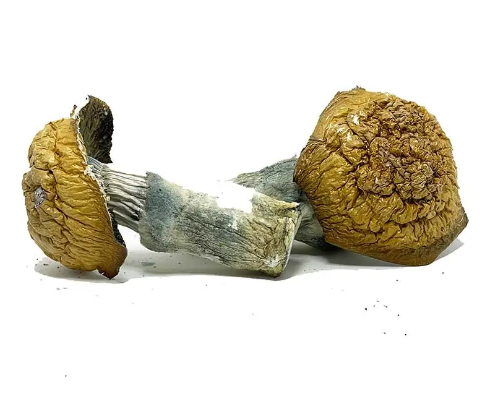
The way consumers discover specialised mushroom products has changed considerably with the growth of online commerce. What was once largely dependent on local knowledge, specialist communities, or word of mouth can now be explored through search engines, online catalogues, educational resources, and dedicated digital storefronts.
This shift has created greater access to product information, but it has also created new responsibilities for online retailers. A digital shop needs to do more than display products. Clear categorisation, accurate descriptions, transparent policies, and responsible communication all contribute to a better customer experience.
As the online mushroom marketplace continues to develop, understanding how it evolved can provide useful context for both consumers and retailers.
From Local Knowledge to Digital Discovery
Before specialised products became widely available online, people often depended on local communities, specialist publications, personal recommendations, or physical retailers to learn about mushrooms and related products.
The internet gradually changed that process. Search engines made it possible for people to discover information from outside their immediate area, while online communities created spaces where enthusiasts could exchange experiences and discuss terminology.
Digital discovery also made niche product categories easier to organise. Instead of depending on a single physical shop with limited shelf space, online retailers can present multiple categories and provide individual product pages for each item.
Educational websites have played an important role as well. Consumers can now research unfamiliar terms, compare different formats, and consult information from a variety of sources before exploring a particular product.
However, greater access does not automatically mean greater accuracy. The expansion of online information has made it increasingly important to distinguish between reliable educational material, personal experiences, promotional content, and unsupported claims.
The evolution of online mushroom retail is therefore not simply a story about convenience. It is also a story about how consumers evaluate information.
Why Product Categorisation Matters
As online mushroom catalogues became larger, clear categorisation became increasingly important. A physical shop may allow customers to look across a limited number of shelves, but an online catalogue can contain numerous products spanning several formats and categories.
Organising these products logically helps consumers understand what they are browsing.
Common categories may include dried mushrooms, capsules, chocolates, candies, and other mushroom-related products. Some online retailers may also have separate categories for cannabis products or other specialised items.
The distinction between categories is important because products that look similar on a webpage can have completely different ingredients and characteristics. A capsule, for example, does not automatically tell a consumer what material is inside it.
Good categorisation therefore works as an information tool rather than simply a navigation feature. It gives consumers an initial framework for understanding the catalogue before they begin comparing individual products.
Clear category names can also reduce confusion. When products are organised according to format or substance type, consumers can narrow their research more efficiently and focus on descriptions that are relevant to what they are looking for.
Importance of Clear Online Product Information
A modern online mushroom retailer needs to provide information that allows consumers to understand products without physically examining them. Product pages have effectively become the digital equivalent of a shop assistant, although their information needs to be particularly clear because there is no immediate opportunity to ask a question at the shelf.
For a retailer such as ShroomsDirect.co, useful product information can include:
- Specifications: Important details such as product format, quantity, and available variants should be easy to locate.
- Images: Clear product images can help consumers understand packaging and presentation.
- Ingredients: Where applicable, ingredient information should be presented clearly rather than hidden behind vague descriptions.
- FAQs: Frequently asked questions can address common points of confusion and make unfamiliar categories easier to navigate.
Clear descriptions are especially important for specialised products because consumers may encounter terminology they have not seen before. Straightforward explanations can make the difference between an informative shopping experience and one that leaves customers uncertain about what they are actually viewing.
Good information also reduces reliance on promotional language. When the essential facts are already easy to find, consumers can make comparisons based on meaningful details rather than simply choosing the product with the most attractive description.
Privacy, Security and Online Customer Experience
The growth of online mushroom retail has also made privacy and digital security important parts of the customer experience. Consumers expect online stores to handle their personal and transaction information responsibly.
Several areas contribute to a trustworthy digital experience:
- Personal information: Retailers should communicate clearly about how customer information is collected and handled.
- Secure checkout: Payment processes should use appropriate security measures to protect transaction information.
- Clear communication: Customers benefit from straightforward information about orders, shipping, returns, and other relevant policies.
- Discreet presentation: For specialised product categories, appropriate packaging and clear shipping information can form an important part of the overall shopping experience.
These considerations are not unique to mushroom retail. They apply to e-commerce generally, but they can become particularly relevant when consumers are purchasing products from specialised or regulated categories.
A well-designed online store therefore needs to consider more than its catalogue. The entire customer journey, from browsing and checkout to order communication, contributes to how consumers perceive the retailer.
Regulatory Challenges for Online Retailers
Online retail can make products accessible across geographical boundaries, but the internet does not remove differences between legal jurisdictions.
Mushroom-related products can fall into different regulatory categories depending on their ingredients and the country or region involved. Some substances may be permitted in one jurisdiction while being restricted or prohibited in another.
This creates several challenges for online retailers:
- Jurisdictional differences: Laws can differ significantly between countries and regions.
- Controlled substances: Certain mushroom-derived compounds may be subject to specific legal restrictions.
- Product-specific rules: Different products can be governed by different requirements depending on their ingredients and intended classification.
- Online availability: The fact that a product appears on a website does not automatically establish that every transaction or activity involving it is legally permitted.
Responsible online retail therefore requires awareness of applicable regulations and careful communication. Retailers need to avoid presenting online availability as a substitute for legal guidance.
Consumers also have a role to play. When legal questions arise, current government or regulatory sources are more appropriate than relying solely on product descriptions, reviews, or social media discussions.
Responsible Digital Retail
As online mushroom retail continues to mature, responsible digital practices are becoming increasingly important. Consumers have access to more products than ever, but they also need reliable information to navigate that wider selection.
Several principles can contribute to a better online retail environment:
- Transparency: Product information should be clear and easy to understand.
- Accurate descriptions: Listings should reflect the actual product rather than relying on exaggerated language.
- Clear policies: Shipping, returns, privacy, and other customer policies should be easy to locate.
- Responsible marketing: Promotional material should avoid unsupported claims and misleading comparisons.
- Appropriate categorisation: Products should be organised in ways that help consumers distinguish between different formats and substance categories.
Responsible digital retail is ultimately about more than selling products online. It involves creating an environment where consumers can understand what they are viewing and make decisions based on accessible information.
As the market becomes more sophisticated, retailers that prioritise clarity and transparency can help establish better standards for specialised e-commerce.
Conclusion
Online mushroom retail has evolved from a niche area dependent on local knowledge and specialist communities into a broader digital marketplace. Search engines, online communities, dedicated retailers, and educational resources have made product discovery considerably easier.
With that increased accessibility comes greater responsibility. Clear categories, useful product descriptions, secure customer experiences, awareness of regulatory differences, and responsible marketing all contribute to a more trustworthy online environment.
The future of mushroom e-commerce will not depend solely on offering a wider selection. Providing consumers with accurate, understandable, and responsibly presented information will be just as important. As digital retail continues to develop, transparency can help make specialised product categories easier to explore and understand.