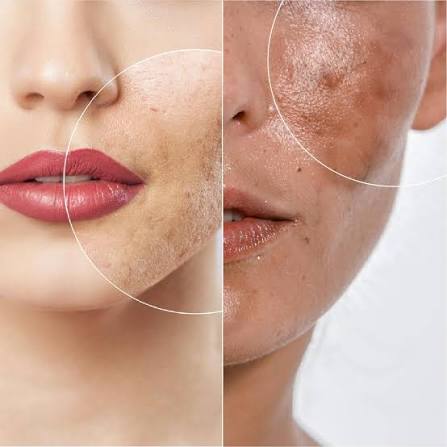

It’s common to notice dark marks on your skin after a breakout has healed. Many people assume every mark left behind by acne is a scar, while others use the terms post-acne marks and hyperpigmentation interchangeably. Although they often look similar, they aren’t exactly the same, and understanding the difference can help you choose the right skincare routine.
Whether your skin concern is caused by acne, sun exposure, or inflammation, identifying the type of discoloration you’re dealing with is the first step toward healthier, more even-looking skin. Products such as a dark spot corrector cream can support your skincare routine, but knowing why the marks appear helps you manage expectations and build a more effective treatment plan.
What Are Post-Acne Marks?
Post-acne marks, also known as post-inflammatory hyperpigmentation (PIH), appear after a pimple or breakout heals. As the skin repairs itself, it may produce excess melanin in the affected area, leaving behind a brown, black, or sometimes reddish mark.
Unlike acne scars, these marks are flat and don’t change the texture of your skin. They simply represent temporary discoloration that gradually fades over time.
Post-acne marks are more common in people with medium to deeper skin tones, although they can affect anyone.
What Is Hyperpigmentation?
Hyperpigmentation is a broader term that refers to any area of skin that becomes darker due to excess melanin production. While post-acne marks are one form of hyperpigmentation, there are several other types as well.
Common causes include:
- Sun exposure.
- Hormonal changes such as melasma.
- Skin irritation or inflammation.
- Minor injuries.
- Certain skincare procedures.
Because hyperpigmentation has multiple causes, treatment often depends on identifying the underlying trigger.
How Can You Tell the Difference?
Although post-acne marks are technically a type of hyperpigmentation, recognizing their source can help guide your skincare routine.
Here are a few distinguishing features:
Post-Acne Marks
- Appear after pimples heal.
- Usually limited to breakout-prone areas.
- Fade gradually with proper skincare.
- Skin texture remains smooth.
General Hyperpigmentation
- May appear without acne.
- Can develop from sun exposure or hormonal changes.
- Often affects larger areas of the face.
- Requires ongoing sun protection to prevent worsening.
Understanding these differences helps you select products that match your skin’s specific needs.
Why Sun Protection Is Essential
One of the biggest reasons dark marks linger is continued exposure to ultraviolet (UV) rays.
Sunlight stimulates melanin production, causing existing pigmentation to become darker and slowing the natural fading process. That’s why dermatologists recommend wearing broad-spectrum sunscreen every day, even when you’re spending limited time outdoors.
Without daily sun protection, even the most carefully planned skincare routine may struggle to deliver noticeable improvements.
Choosing the Right Skincare Products
Managing pigmentation isn’t about using a single product overnight—it’s about following a consistent skincare routine.
A complete routine usually includes:
- Gentle cleansing.
- Targeted pigmentation treatments.
- Daily moisturizer.
- Broad-spectrum sunscreen.
- Patience and consistency.
When looking for products, choose formulas specifically developed to support uneven skin tone rather than harsh products that may irritate the skin further.
If you’re searching for a dark spot corrector cream, the Dark Spot Removal Cream from World of Asaya is designed to support a skincare routine focused on improving the appearance of pigmentation and uneven skin tone.
How Long Does Pigmentation Take to Fade?
The fading process depends on several factors, including the depth of pigmentation, skin type, sun exposure, and consistency of your skincare routine.
Milder post-acne marks may gradually improve over several weeks, while deeper pigmentation can take several months to become less noticeable.
Rather than switching products frequently, maintaining a steady routine often produces better long-term results.
Tips to Prevent Future Dark Spots
Preventing new pigmentation is just as important as treating existing marks.
Here are a few helpful habits:
- Avoid picking or squeezing pimples.
- Apply sunscreen every morning.
- Treat acne early before inflammation worsens.
- Moisturize regularly to maintain a healthy skin barrier.
- Follow a simple, consistent skincare routine.
These small daily habits can reduce the likelihood of new discoloration developing.
Final Thoughts
Post-acne marks and hyperpigmentation are closely related, but they aren’t always the same. Post-acne marks result specifically from inflammation caused by breakouts, while hyperpigmentation is a broader condition that can develop from sun exposure, hormones, or other skin triggers.
Using a well-planned skincare routine, protecting your skin from UV damage, and incorporating a dark spot corrector cream can help improve the appearance of uneven skin tone over time. If you’re looking for a pigmentation removal cream India consumers can include in a comprehensive skincare regimen, choosing products designed for pigmentation-prone skin is a practical place to start.
To explore more skincare solutions for pigmentation, dark spots, and uneven skin tone, visit World of Asaya, where you’ll find products created to support clearer, healthier-looking skin with consistent daily care.