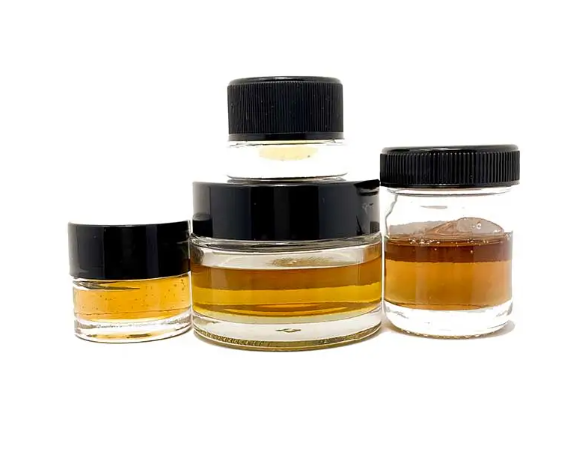
Cannabis concentrates offer a very different product format from traditional flower. Instead of using the dried plant material in its familiar form, concentrates are processed into extracts with distinct textures, appearances, aromas and characteristics. The category includes several formats, each created through different processing approaches and offering its own qualities.
Shatter, hash, live resin and distillate are among the concentrate types shoppers are most likely to encounter. Although all belong to the broader concentrate category, they are not interchangeable. Differences in texture, processing, terpene content and product characteristics can make each format appealing to different preferences.
Understanding the basic differences between these products makes concentrate listings easier to navigate. Rather than focusing only on names or potency figures, shoppers can consider how each format is produced, what distinguishes it and what information is provided in the product description.
What Are Cannabis Concentrates?
Cannabis concentrates are products made by processing cannabis material to create an extract containing concentrated plant compounds. The resulting product can have a very different consistency and appearance from dried flower.
The concentrate category covers a wide range of formats. Some products have a firm or glass-like texture, while others are sticky, soft, oily or semi-solid. These differences are influenced by the starting material, processing method and final refinement.
Concentrates can also differ in their aromatic profiles. Some retain pronounced terpene characteristics, while others undergo additional refinement that changes the original flavour and aroma profile.
This variety is one of the main reasons the concentrate category can initially seem complicated. Two products may both be described as cannabis extracts while having completely different physical characteristics.
Product descriptions can provide useful information about the format, strain or genetic background, quantity, terpene profile and other characteristics. Reading these details carefully gives shoppers a clearer idea of what separates one concentrate from another.
Shatter: A Distinctive Glass-Like Extract
Shatter is recognised for its firm, translucent appearance and glass-like texture. Depending on the product and surrounding conditions, its consistency can range from relatively rigid to somewhat more flexible.
Its appearance is one of its most recognisable characteristics. Unlike softer concentrates, shatter can maintain a sheet-like or brittle structure, giving it a distinctly different presentation from hash or resin.
The texture can also vary according to temperature and handling. Warmer conditions may make the product softer, while cooler conditions can make it more rigid. This is one reason appropriate storage and careful handling are important when dealing with this type of concentrate.
The flavour and aroma of shatter can vary significantly depending on the cannabis genetics and processing approach used to create the product. Product listings may therefore include strain names and descriptions that help distinguish one variety from another.
For shoppers browsing the West Coast Bud Shop, shatter represents one of the concentrate formats available alongside other extract categories. The site currently lists a range of shatter products in different strain varieties and quantities, making product descriptions particularly useful when comparing options.
Shatter should not simply be judged by its appearance. Texture, aroma, genetics, quantity and product information can all contribute to understanding what makes one shatter product different from another.
Hash: A Traditional Concentrate Format
Hash is one of the longest-established forms of cannabis concentrate. Unlike shatter, which is associated with a glass-like appearance, hash generally has a softer, denser or more compact texture.
Traditional hash is made by collecting and compressing resin-rich material from the cannabis plant. Different production methods can result in variations in colour, texture, aroma and consistency.
Some hash products may be firm and compact, while others can be softer and more malleable. The appearance can range from light to dark depending on the material and production process.
Hash can also have a distinctive aromatic character. Because it retains characteristics of the original plant material, its scent and flavour can vary considerably between products.
Modern cannabis marketplaces may offer several forms of hash alongside newer concentrate formats. This gives shoppers an opportunity to compare traditional styles with extracts developed through more modern processing methods.
When comparing hash products, useful details can include the type of hash, strain or genetic information, weight, appearance and aroma description. These details can help distinguish products that might otherwise appear similar at first glance.
Live Resin and Its Fresh-Plant Characteristics
Live resin is another concentrate format with a distinctive approach to processing. Unlike conventional extraction processes that begin with dried and cured cannabis, live resin is generally produced from freshly harvested cannabis that is preserved through freezing before extraction.
This approach is intended to retain more of the plant’s original aromatic characteristics. As a result, live resin is often associated with pronounced terpene profiles and strong flavour or aroma.
The final product can have a sticky or viscous consistency rather than the rigid structure associated with shatter. Its appearance can also vary depending on the specific product and processing method.
Live resin is particularly relevant for shoppers who pay close attention to terpene characteristics. Product descriptions may identify specific strains and aromatic notes, allowing comparisons between different varieties.
However, live resin should not be considered identical to every other resin-based concentrate. Terms such as live resin and live rosin refer to different processing approaches, even though both can be associated with preserving characteristics from fresh cannabis material.
The product catalogue at West Coast Bud includes live resin products in several strain varieties, illustrating the range of genetic and aromatic profiles available within this concentrate category.
For anyone comparing concentrates, the distinction between live resin and other formats is useful because the processing method can influence the final texture, aroma and overall characteristics of the product.
Distillate: Refined Cannabis Extract
Distillate represents another point on the concentrate spectrum. It is generally recognised for its refined composition and smooth, oil-like consistency.
The production process involves additional refinement compared with some other concentrate formats. This can result in a product that looks and behaves very differently from flower, hash or shatter.
Distillate products are often presented in syringes or similar containers, depending on the intended product format. Their consistency can make them suitable for applications where a measured amount of oil-like concentrate is required.
A key distinction is that highly refined distillates may have less of the original plant’s natural flavour and aroma than concentrates designed specifically to preserve terpene characteristics. Terpenes may also be added back into certain products to create a particular flavour profile.
The product information is therefore especially important when comparing distillates. Details about the type of distillate, cannabinoid content, terpene information, quantity and intended format can help shoppers understand what they are looking at.
The West Coast Bud concentrate catalogue includes distillate products in syringe and other formats, alongside shatter, hash and live resin.
Because distillate can look considerably different from other concentrates, shoppers should avoid comparing products based on appearance alone. The processing method and product specifications provide more useful context.
Comparing Concentrates by Product Characteristics
The easiest way to compare concentrates is to look beyond their shared category name. Each format has characteristics that can help shoppers determine which type fits their preferences.
Several factors can be considered:
- Texture: Shatter is known for its glass-like structure, hash tends to be dense or malleable, live resin is often sticky or viscous, and distillate generally has an oil-like consistency.
- Aroma: Concentrates can have very different aromatic profiles. Live resin is often associated with pronounced terpene characteristics, while highly refined distillates may have a more neutral profile unless terpenes are incorporated.
- Processing: The way a concentrate is produced has a major influence on its final appearance, texture and composition. Understanding the basic processing distinction helps explain why products within the same category can look so different.
- Genetics: Strain or cultivar information can provide useful context about potential aroma and flavour characteristics. The same concentrate format can therefore contain many different profiles.
- Quantity: Concentrates are commonly available in multiple quantities. Comparing the amount provided can make product listings easier to evaluate, particularly when several products have similar descriptions.
- Product information: Details such as cannabinoid content, terpene information, strain name and format can provide more useful comparison points than marketing descriptions alone.
- Storage requirements: Different textures may respond differently to temperature and handling. Following the storage guidance provided with the product can help maintain its condition.
Looking at these characteristics together creates a more complete picture of a concentrate. It also helps prevent the common mistake of assuming that all extracts offer the same properties simply because they belong to the same broad category.
Choosing Between Different Concentrate Formats
There is no single concentrate format that suits every preference. The right comparison depends on what characteristics a shopper values most.
Someone interested in a firm, glass-like extract may naturally focus on shatter. Another shopper may prefer the traditional character associated with hash. Those particularly interested in terpene-forward profiles may pay closer attention to live resin, while someone comparing refined oil-based products may focus on distillate.
Product descriptions can make these distinctions easier to identify. Instead of relying solely on a product name, shoppers can examine the format, texture, strain information, terpene details, quantity and other specifications.
It is also worth remembering that concentrate names describe product formats rather than guaranteeing an identical experience across every product. Two shatter products can differ in aroma and texture, just as two live resin products can have noticeably different profiles.
A thoughtful comparison therefore begins with understanding the format and then moves into the individual product details. This approach makes it easier to explore the concentrate category without treating every extract as though it were the same.
Conclusion
Cannabis concentrates cover a broad range of products, from traditional hash to modern formats such as shatter, live resin and distillate. Although these products all fall within the same general category, their processing, texture, appearance, aroma and composition can differ considerably.
Shatter is recognised for its glass-like structure, while hash offers a denser and more traditional concentrate format. Live resin is associated with fresh-frozen starting material and pronounced terpene characteristics, while distillate represents a more highly refined extract with an oil-like consistency.
Understanding these distinctions gives shoppers a more practical way to compare concentrate products. Product descriptions, strain information, terpene details, quantities and storage guidance can all provide useful context.
Rather than viewing concentrates as one broad category, it is more helpful to consider the individual characteristics of each format.