
US measles cases rose by 8 percent in a single week, bringing the total to 4,410. That is a headline worth taking seriously without taking fright. Measles is a highly contagious illness, but it is also one of the best understood, and vaccination remains a highly effective protection. This calm guide for families explains what is driving the rise, which symptoms to watch for, and what health officials actually advise households to do now, in proportion to a risk that is real, unevenly spread and manageable with the right steps.
What is driving the rise
Health officials attribute the increase mainly to pockets of low vaccination coverage, combined with travel that brings the virus into communities where it can spread quickly. Measles moves through the air and can linger in a room after an infectious person has left, so a single introduction into an under-vaccinated school or neighbourhood can produce a cluster within days. The weekly jump of 8 percent reflects those clusters being detected and counted, alongside improved reporting. It does not mean the virus has changed or become more dangerous; it means more susceptible people have been exposed in the same short period.
Symptoms to know, in the order they appear
Measles usually begins like a heavy cold: high fever, cough, runny nose and red, watery eyes. Tiny white spots may appear inside the mouth after a few days, and the familiar blotchy red rash typically starts on the face before spreading downwards. Anyone, child or adult, with fever and rash, especially after travel or known exposure, should phone ahead before visiting a clinic so staff can protect other patients. Our health coverage aims for the same measured approach as in our science reporting, where numbers are checked before they are amplified. Most people recover fully, but complications such as ear infections, pneumonia and, rarely, brain inflammation are why officials treat every rise seriously.
Local detail matters more than national totals for day to day decisions, so families should learn where to look. State and county health departments publish outbreak notices naming affected schools, venues and exposure dates, and those notices, not social media summaries, are the reliable source when a case is nearby. If your family is named as a contact, officials will explain exactly what to do, which usually means monitoring for symptoms for a set period and seeking advice quickly if fever or rash appears. Schools may also write home with specific instructions, including temporary exclusion for unvaccinated pupils during an outbreak, a standard measure that protects both the individual child and classmates who cannot be vaccinated. Keeping a note of your family vaccine records in an accessible place, a phone photo of the record card works well, saves stress if you are ever asked for proof at short notice. None of these steps requires alarm. They are the ordinary plumbing of public health, working as intended, and this week rise in cases is best understood as that system detecting clusters and responding, while asking families to do their small, well defined part promptly and calmly.
Vaccination guidance, stated plainly
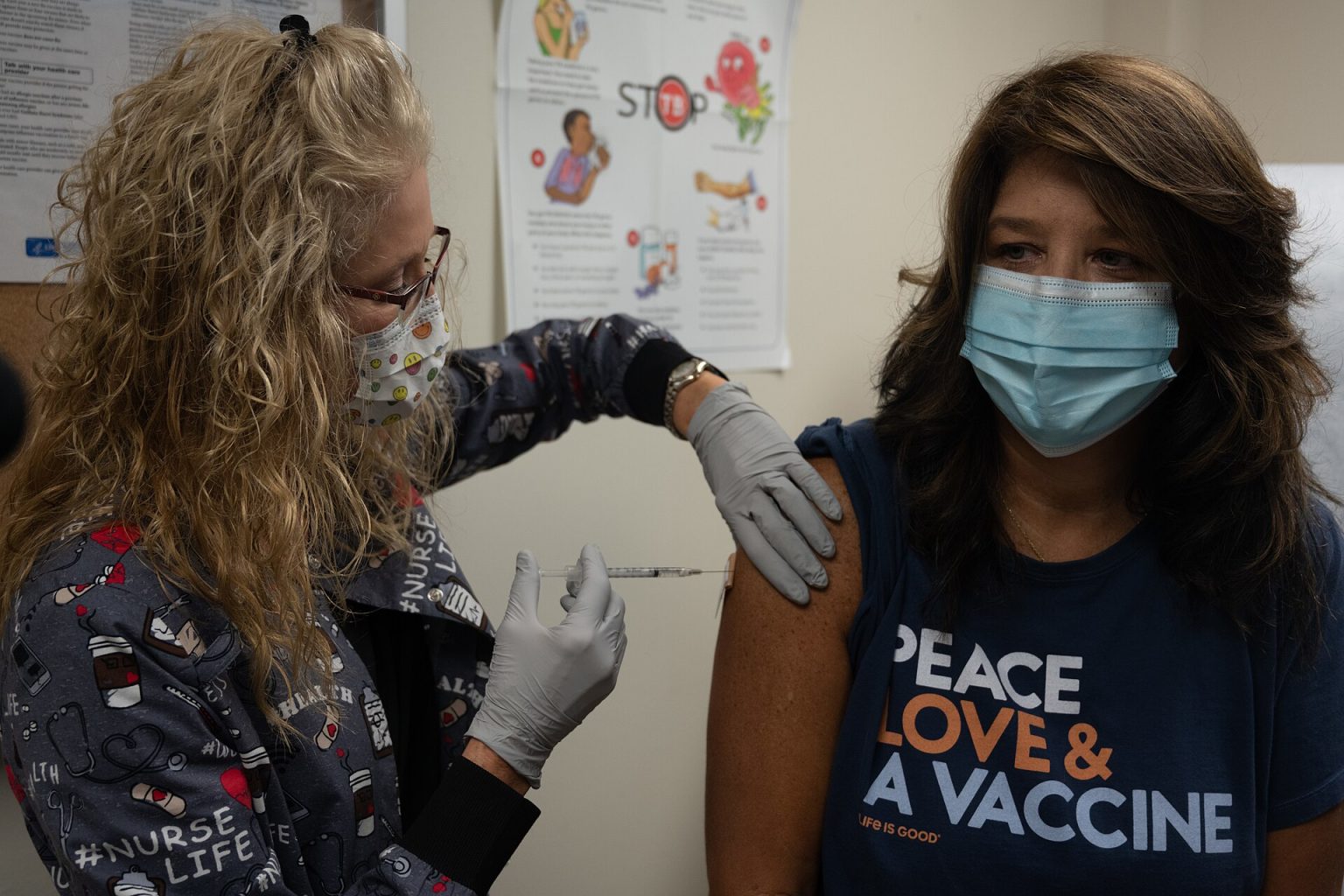
The consistent advice from health authorities is to check that children and adults are up to date with the MMR vaccine, which protects against measles, mumps and rubella. Two doses are about 97 percent effective against measles. Families unsure of their records can ask their doctor or local health department, and catch-up doses are routinely available. The full official guidance, including what to do after an exposure, is published by the CDC measles pages. People who cannot be vaccinated for medical reasons, including very young infants, depend on high coverage around them, which is why officials emphasise community levels rather than individual choices alone.
Keeping the week in perspective
A total of 4,410 cases in a country of hundreds of millions is not a reason for alarm, and it is a reason for attention, particularly if you live in or travel to an area with a known cluster. The practical steps are unglamorous and effective: know your family’s vaccine status, learn the early symptoms, phone ahead if they appear and follow local health notices. Measles was once a routine childhood illness that families simply endured; vaccination changed that, and the current rise is best read as a reminder of what that protection quietly does every ordinary week when coverage stays high.