Imagine opening a laptop to retrieve an important business proposal, only to discover that the files are missing. A family member may face a similar problem when years of photographs suddenly become inaccessible. In both situations, the immediate concern is not the device itself but the information stored inside it. Finding the best data recovery experts becomes important when valuable files disappear because of accidental deletion, hardware failure, or unexpected system errors.
Digital information supports nearly every part of modern life. Businesses depend on contracts, customer records, financial documents, and project files, while individuals store personal photographs, educational work, and essential documents. When access to these files is interrupted, understanding the cause and choosing the right recovery approach can make a significant difference.
Recognising The Cause of Data Loss
Data loss can occur in several ways, and each situation requires careful assessment. Accidental deletion is one of the most common examples. A user may remove a folder while cleaning storage, empty the recycle bin, or format a drive without realising that important information remains inside.
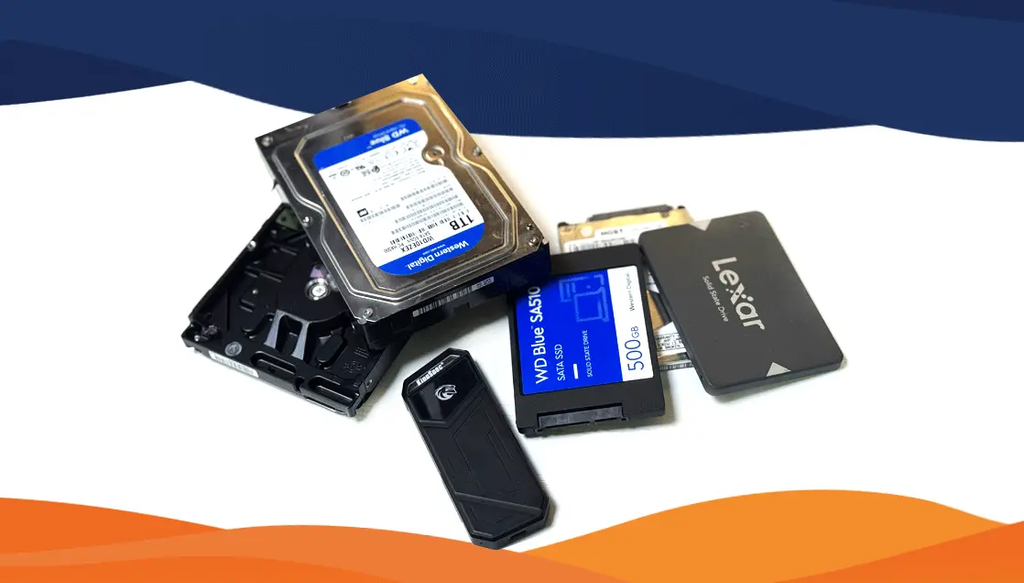
Hardware problems create a different challenge. Hard drives contain moving components that can wear out or become damaged, while solid-state drives can develop electronic faults or controller failures. Storage devices may also become inaccessible because of corrupted file systems, damaged partitions, malware, or interrupted software updates.
Identifying the likely cause helps determine the safest next step. Repeatedly restarting a failing drive or attempting random repair methods may worsen the damage. When files are particularly valuable, stopping unnecessary activity and seeking a professional assessment can help protect the remaining recovery possibilities.
Evaluating A Recovery Service Carefully
Selecting a recovery provider involves more than comparing prices. A reliable service should demonstrate experience with the relevant device types and explain how it approaches different failure conditions. Customers should also understand whether the provider handles complex recovery work directly or sends devices elsewhere.
Communication is another important consideration. Before authorising a recovery attempt, ask how the device will be assessed, whether diagnostic charges apply, and how recovered information will be returned. A transparent provider should distinguish between an initial diagnosis and the actual recovery process.
Confidentiality also deserves attention. Storage devices may contain identity documents, private photographs, customer information, or company records. Ask about access controls, information handling, and secure transfer methods. The best data recovery experts should combine technical knowledge with responsible data protection practices and realistic expectations.
Safe Actions To Take After Data Loss
The first response to missing files can influence the chances of successful recovery. If a device suddenly becomes inaccessible, avoid saving new information to it. New data may overwrite deleted files that could otherwise remain recoverable.
Do not format a drive simply because a computer displays a message asking you to do so. Formatting may complicate recovery, particularly if additional data is written afterward. Similarly, avoid installing recovery applications on the affected drive, as the installation itself can overwrite information.
For a physically damaged device, disconnecting it when safe to do so is generally preferable to repeatedly testing it. Avoid opening a hard drive at home because its internal components require a controlled environment for certain repairs. Professional guidance is particularly valuable when the information has significant financial, legal, or personal importance.
Data Recovery Needs In Dubai
Dubai’s business environment includes retail companies, professional service firms, logistics operations, educational institutions, and technology-driven organisations. These businesses often depend on digital records to maintain daily operations. Losing access to invoices, employee documents, customer databases, or project files can interrupt workflows and create additional administrative work.
Individuals face equally important challenges when personal devices fail. Students may lose assignments, professionals may become separated from work documents, and families may struggle to retrieve irreplaceable memories.
When comparing data recovery specialists Dubai residents and businesses can approach, consider their experience with the affected device, diagnostic process, communication standards, and privacy practices. Local accessibility may also make it easier to discuss the device’s symptoms and understand the available service options.
The Importance of Confidentiality
Recovering files is only one part of handling a storage failure. Protecting the information during the process is equally important. Business drives may contain commercially sensitive documents, while personal devices can hold private messages and financial records.
Customers should look for clear information about confidentiality, authorised access, and the return or deletion of recovered data after the service is completed. Organisations handling regulated or sensitive information may also need internal approval before transferring devices to an external technician.
These precautions help reduce avoidable privacy risks. A professional recovery process should treat the contents of a device with care rather than focusing exclusively on whether the files can be retrieved.
Preventing The Next Data Loss Incident
Recovery services can be valuable, but a reliable backup routine remains the strongest defence against many data loss incidents. Important files should be copied to separate storage locations rather than kept on a single laptop or external drive.
A practical approach combines an external backup with a secure cloud copy where appropriate. Businesses should schedule automatic backups, review whether the files are actually being saved, and periodically test restoration. An incomplete or outdated backup may provide less protection than expected.
Individuals can protect photographs, documents, and other personal files by enabling automatic synchronisation and maintaining an additional offline copy of their most important information. Password protection and encryption can add security, while occasional checks help confirm that backups remain accessible.
Conclusion
Losing access to important files can be stressful, but a measured response is more useful than rushed experimentation. Understanding the type of failure, avoiding actions that may overwrite information, and seeking an appropriate technical assessment can improve the chances of recovering valuable data.
The right recovery service should offer realistic guidance, clear communication, suitable technical expertise, and responsible handling of private information. For individuals and businesses seeking electronics repair and data recovery support in Dubai, 800fixing is one option to consider when comparing the best data recovery experts. Combining professional assistance with consistent backups can help protect important digital information both now and in the future.