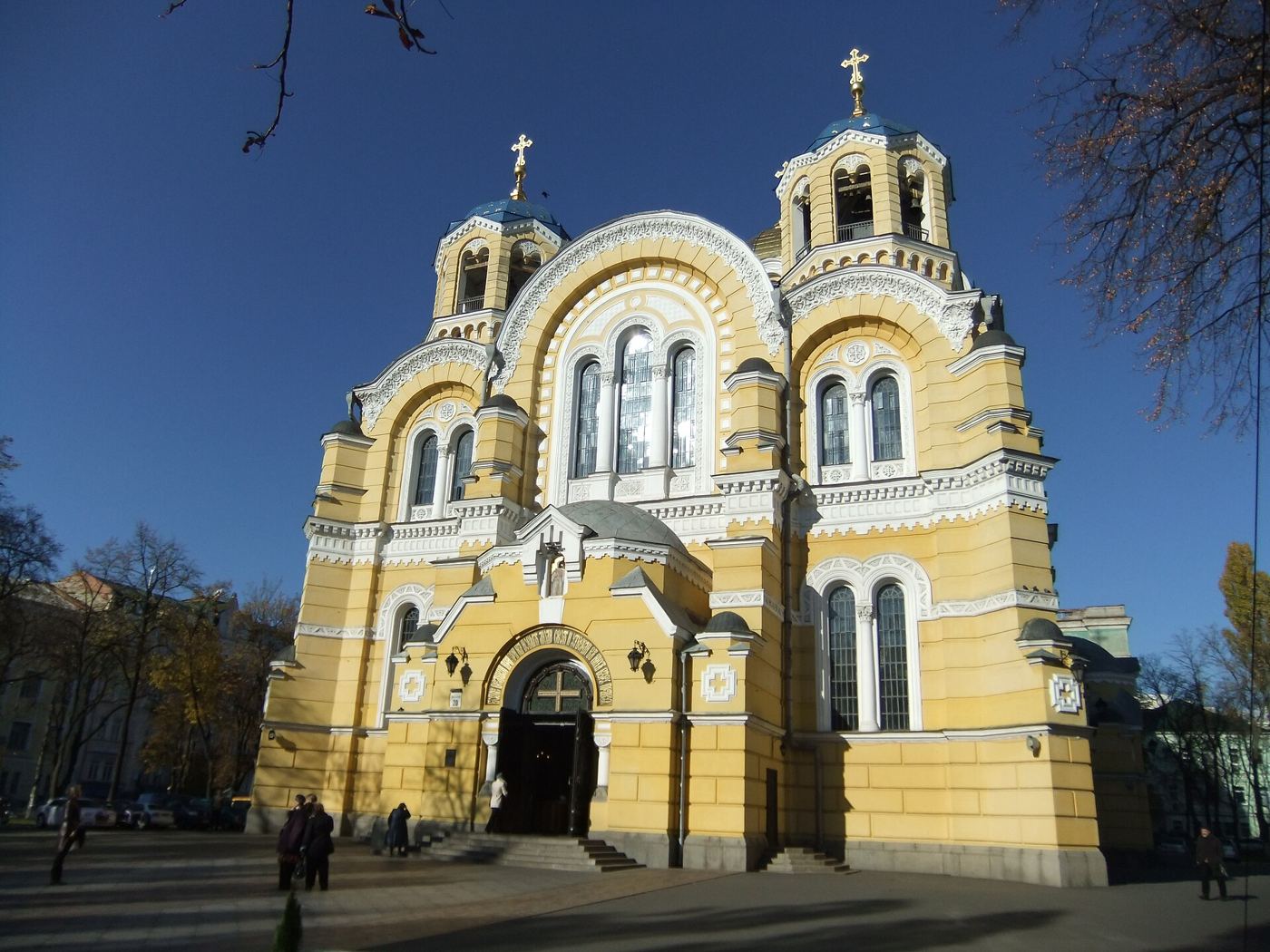

A wave of Russian drone strikes on central Kyiv on 19 November 2026 killed one person, injured five and damaged the embassies of the Netherlands and Austria as well as the historic St Volodymyr’s Cathedral. A 26-year-old man was killed in the Podil district, where Russian strikes repeatedly hit through the day. A projectile struck behind the Dutch embassy, causing minor damage, while the Austrian embassy suffered blown-out windows and damaged vehicles after an explosion at about 4.30pm, when around ten people were inside. The nearby cathedral had large windows shattered and cornices damaged, though early checks found no harm to its murals or structure. Debris also fell on the grounds of the Brazilian embassy and Ukraine’s own foreign ministry, which said the fragments would go into its museum. The Dutch foreign minister, Tom Berendsen, said on social media that embassy staff were safe despite the minor damage.
What the Evidence Shows
The strikes came two days after seven Ruta cruise missiles made by the Dutch company Destinus helped bring down a road span of the Crimean Bridge on 17 November, and a day after Russia’s embassy in The Hague publicly asked whether the Netherlands was joining the war. President Vladimir Putin had vowed a painful response to the bridge attack, and the European Union’s foreign policy chief, Kaja Kallas, noted that the Kyiv strikes fell as Putin walked the red carpet in Shenzhen for the APEC summit. The bombardment continued overnight into 20 November, when missile strikes killed six more people in Kyiv and hit three bridges across the Dnipro river. Ukraine’s President Volodymyr Zelenskyy was in Berlin meeting European backers as the attacks unfolded. Russia’s military said the overnight attack targeted military-industrial sites and transport infrastructure, including the three Dnipro bridges, which were closed to traffic. Reporting and analysis from sources such as BBC News track the same developments, and specialists following the Russian drone strikes on central Kyiv say the direction is now consistent across independent lines of evidence.
The Wider Context
The wider context is a public conversation conducted at a speed institutions were not built for. Developments around the Russian drone strikes on central Kyiv are announced, contested and revised within a single news cycle, and the officials involved have learned to publish evidence alongside claims so that scrutiny can actually occur. Trust, the polling suggests, follows that transparency more than it follows confidence.
What Happens Next
What happens next in the story of the Russian drone strikes on central Kyiv will be decided in the places where it is being implemented, measured and argued about in public. The officials and organisations involved have committed to publishing progress data, and that commitment gives residents, businesses and journalists something firmer than promises to judge. The next milestones are dated, which means they can be checked. You can follow related developments in our coverage of news.
None of this will be settled by a single announcement, study or product launch. The pattern to watch is accumulation: independent confirmations, honest reporting of failures and steady improvement in the underlying numbers. Readers who follow those signals, rather than the loudest claim of the week, will understand this subject better than most of the commentary surrounding it suggests is possible.