Introduction
The online market for male-enhancement products has expanded rapidly, giving consumers access to supplements, herbal formulas, prescription medicines, and other products marketed around confidence, sexual wellness, and performance. Alongside useful product information, however, consumers may encounter aggressive advertising, dramatic testimonials, vague ingredient descriptions, and promises of unusually fast results.
This can make it difficult to distinguish reliable product information from promotional language. A product presented as powerful or fast-acting is not automatically better, safer, or appropriate for every individual. A more practical approach is to examine what the product contains, how clearly it is documented, what evidence supports its claims, and whether the seller provides sufficient information for an informed decision.
Understanding how to evaluate male-enhancement products allows consumers to look beyond advertising and focus on product identity, transparency, safety, and realistic expectations.
Identify What the Product Actually Is
The first step in evaluating any male-enhancement product is determining its actual category. Products marketed for similar purposes can have very different characteristics. A dietary supplement, herbal preparation, prescription medicine, and other performance-oriented product should not be treated as interchangeable simply because their advertising uses similar terms.
Product identity can usually be established by examining the ingredient list, product documentation, packaging information, and stated intended use. The distinction matters because different product categories can be subject to different quality, manufacturing, labeling, and regulatory requirements.
Ingredient information deserves particular attention. A product that clearly identifies its active ingredients and quantities gives consumers a better basis for evaluation than one relying primarily on branding or broad descriptions. Terms such as “advanced formula,” “maximum strength,” or “premium performance” describe marketing positioning rather than necessarily explaining what is inside the product.
Documentation can also reveal whether the information presented by a seller is consistent. Product names, ingredient lists, serving directions, warnings, and package descriptions should not contradict one another. When important information is missing or difficult to verify, consumers have less information with which to assess the product.
Look Beyond Claims About “Fast” or “Powerful” Results
Marketing language is one of the easiest ways for expectations to become disconnected from evidence. Male-enhancement advertising may use terms such as “instant,” “powerful,” “guaranteed,” or “maximum results” because these phrases attract attention. However, persuasive wording does not establish whether a product will produce the advertised outcome.
Individual responses can also vary considerably. Factors such as general health, lifestyle, expectations, other products being used, and individual physiology can influence experiences with sexual-wellness products. Consequently, broad promises about identical results for every consumer deserve careful scrutiny.
Testimonials require similar caution. Personal experiences can be useful for understanding how a product was perceived by an individual, but they do not provide the same type of information as controlled research. A collection of positive reviews cannot, by itself, establish effectiveness, safety, ingredient quality, or suitability for a wider population.
A more reliable evaluation considers the quality of the available evidence rather than the intensity of the marketing. Consumers can ask whether specific claims are supported by identifiable information, whether the product’s ingredients are clearly disclosed, and whether the language accurately reflects what is known.
Examine Ingredients and Product Transparency
Ingredient transparency is one of the most useful ways to evaluate a male-enhancement product before making a purchasing decision. A clear label should provide meaningful information about active ingredients, quantities, serving information, and relevant warnings. Without these details, it becomes difficult to compare products or understand what is actually being offered.
Proprietary blends can create an additional challenge. When several ingredients are grouped together without individual quantities, consumers may know which substances are included but not how much of each is present. This limits the ability to evaluate the formulation accurately and compare it with other products.
Manufacturing information also contributes to transparency. Details about the manufacturer, production standards, quality-control procedures, and product documentation can provide useful context. Consistency is equally important. Information displayed on an online product page should correspond with the packaging and other official documentation.
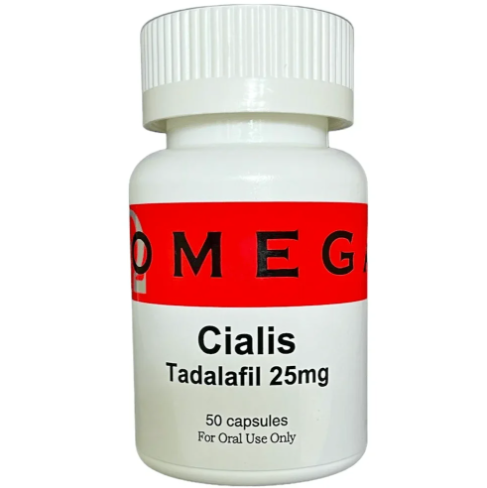
For consumers researching options through a Canadian performance-product supplier, Where to Buy Superman Pills should not be the only question being considered. The broader issue is whether the seller provides enough information to evaluate the product responsibly. Omega Full Potential, for example, describes itself as an online destination for PEDs and supplements in Canada, covering categories associated with steroids, supplements, and performance products. In this type of market, consumers benefit from examining product information rather than relying solely on a product name or marketing presentation.
The same principle applies across the wider male-enhancement market. Clear ingredients, consistent documentation, identifiable product information, and transparent policies provide a stronger foundation for comparison than branding alone.
Consider Safety and Personal Circumstances
Male-enhancement products should also be evaluated in the context of the individual using them. Sexual-wellness products can contain different active substances, and their effects or risks may vary depending on personal circumstances. This is particularly relevant when an individual already uses medication or has an existing health consideration.
Several factors deserve attention before evaluating whether a product is appropriate:
- Existing medications: Some ingredients may be unsuitable alongside certain medications. Consumers should therefore avoid assuming that a product is automatically appropriate simply because it is sold without the same requirements as a prescription medicine. Professional guidance can help identify potential concerns.
- Underlying health circumstances: A person’s general health can affect how a product is experienced. Relevant medical history may change the considerations surrounding certain ingredients, making individualized professional advice more appropriate than relying on general online recommendations.
- “Natural” does not mean risk-free: Herbal or plant-based ingredients can still have biological effects and potential interactions. The word “natural” describes an ingredient’s source, not a guarantee of safety or suitability.
- Product quality: Safety also depends on accurate labeling and consistent manufacturing. Products with unclear ingredients, incomplete documentation, or questionable sourcing provide fewer opportunities for consumers to assess potential risks.
- Professional guidance: When there is uncertainty about an ingredient, interaction, or personal circumstance, speaking with a qualified healthcare professional can provide information that generic product descriptions cannot.
What to Check When Searching for Male-Enhancement Products Online
Evaluating an online seller requires more than looking at product photographs or search-engine placement. A professional-looking website can still provide insufficient information about its products, while a less familiar seller may require additional verification before a consumer can make an informed decision.
Contact information is one useful starting point. A seller should provide a clear way to communicate with the business and obtain information about products, policies, and orders. Product pages should also contain meaningful ingredient and usage information rather than relying almost entirely on promotional descriptions.
Purchasing policies deserve attention as well. Information about shipping, returns, refunds, privacy, payment security, and customer support can help consumers understand how an online transaction is handled. Privacy is particularly relevant in sexual-wellness purchasing because discretion may be an important consideration for customers.
Search rankings should not be treated as proof of product quality. Search engines primarily organize information according to their own ranking systems, and a prominent position does not independently verify an ingredient list, manufacturing process, or performance claim. Promotional reviews should also be evaluated carefully, particularly when they contain unusually strong claims without supporting information.
A better approach is to compare several information points at once. Product transparency, seller information, documentation, policies, and realistic descriptions collectively provide a more useful picture than a single review or advertising statement.
Making an Informed Sexual-Wellness Decision
A practical evaluation checklist can make the research process more consistent. Instead of focusing on one attractive claim, consumers can consider several categories before deciding whether a product deserves further attention.
- Product identity: The product’s category and intended purpose should be clearly explained. Consumers should know whether they are examining a supplement, herbal product, prescription medicine, or another type of product before comparing its claims.
- Ingredients and quantities: A transparent ingredient list allows consumers to understand the formulation. Individual quantities are particularly useful because they provide more information than a list that identifies ingredients without explaining their amounts.
- Evidence and expectations: Claims should be considered in relation to the available evidence. Statements promising dramatic or guaranteed outcomes should receive more scrutiny than cautious descriptions that acknowledge individual variation.
- Seller transparency: A trustworthy purchasing environment should provide identifiable business information, product documentation, customer-service details, and clear purchasing policies. These details can help consumers distinguish an information-rich seller from a purely promotional storefront.
- Safety considerations: Individual circumstances matter. Existing medications, health considerations, allergies, and other personal factors can affect how a product should be evaluated. When uncertainty exists, professional guidance is appropriate.
- Privacy and discretion: Privacy can be important in sexual wellness, but discretion should not replace transparency. Secure purchasing practices are useful, but consumers should still have access to meaningful information about the product itself.
Conclusion
Evaluating male-enhancement products requires more than reading advertisements or comparing promises of fast results. A responsible assessment begins with identifying the actual product, examining its ingredients, reviewing available evidence, checking manufacturing and seller transparency, and considering personal circumstances.
Marketing language can attract attention, but it does not replace meaningful product information. Testimonials can describe individual experiences, but they should not automatically be interpreted as broad evidence. Similarly, a natural ingredient is not automatically risk-free, and a prominent online listing does not independently establish product quality.
A more informed approach focuses on transparency, realistic expectations, safety considerations, and verifiable information. By applying these principles consistently, consumers can approach sexual wellness with greater awareness and make decisions based on product facts rather than marketing hype.