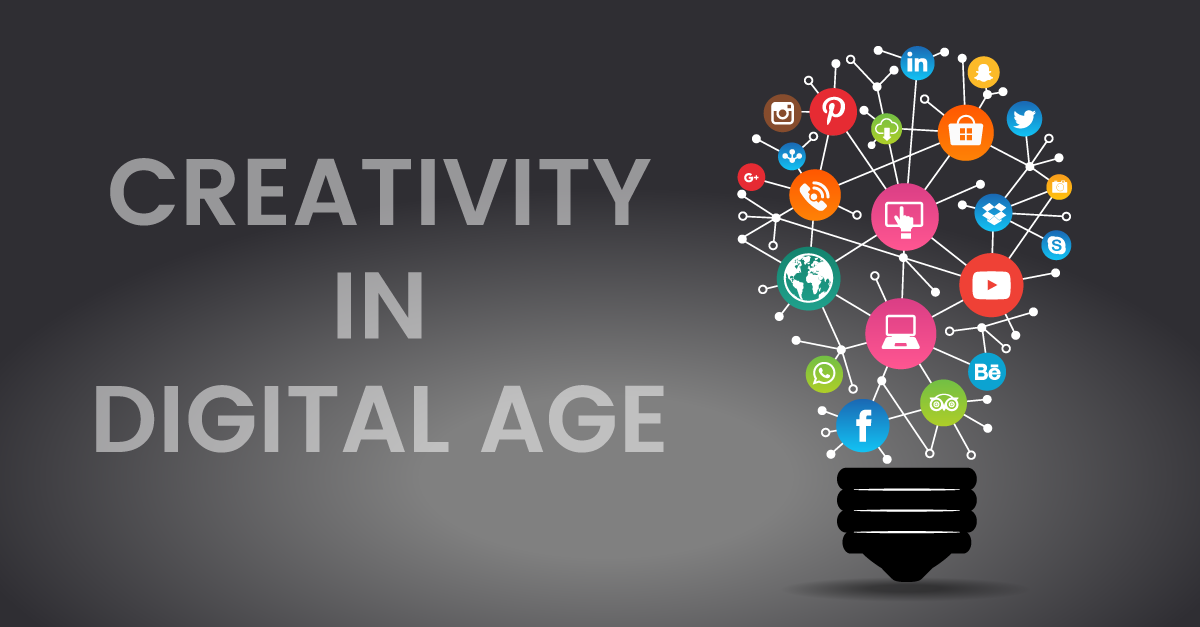

In today’s fast-paced, tech-driven environment, creative learning is evolving. More families and children are discovering the joy of learning art through screens and digital platforms—bringing colour, imagination, and artistic skills directly into homes. Online art education has opened new possibilities for learners of all ages, blending convenience with creative expression in ways that were once only possible in physical studios.
Art has always played a vital role in personal development. It fosters visual awareness, fine motor skills, emotional expression, and confidence. With the rise of digital access and flexible schedules, many parents and students are now turning to online options to nurture these abilities without the constraints of location or rigid class timings.
Why Choose Digital Art Learning?
Online learning removes traditional barriers. There’s no need for travel time, commuting through traffic, or rearranging daily routines to make time for art sessions. With a stable internet connection, students can join classes from the comfort of their living room, bedroom, or any quiet space at home. This level of convenience makes creative education more accessible to busy families and individuals with packed schedules.
Another benefit lies in flexibility. Many online art programs offer a mix of live sessions and pre-recorded lessons. Students can choose interactive live classes to receive real-time feedback or explore pre-recorded modules at their own pace. This flexibility helps learners balance art with schoolwork, extracurriculars, and family time.
A Variety of Artistic Skills to Explore
Digital art programmes cover an impressive range of creative disciplines. From foundational drawing techniques and colour theory to watercolour painting, digital illustration, and mixed media exploration, there’s something for every interest. Students can build core skills, experiment with new mediums, and develop personal styles under guided instruction.
Detailed demonstrations and close-up views of artistic techniques make online lessons especially engaging. Learners can follow step by step, rewind when needed, and revisit instructions to deepen understanding. This type of learning reinforces confidence and encourages experimentation—an essential part of artistic growth.
Building Confidence Through Guidance
One of the fears many parents have about online classes is the concern over personalised attention. However, well-structured digital art programmes ensure close interaction between instructors and students. During live sessions, teachers can observe work in progress, provide tailored feedback, and respond to questions in real time. Small class sizes further enhance this personalised experience, giving each student a comfortable space to grow.
As students see their skills improve, confidence blossoms. They begin to understand not just how to create art, but why certain techniques work and how different elements come together. This deeper understanding empowers learners to tackle new projects with enthusiasm.
Encouraging Creativity at Every Age
Online art education isn’t limited to a specific age group. Young children can engage in simple, playful activities that build motor skills and colour recognition, while older students can dive into more complex concepts like perspective, composition, and artistic expression. Adults, too, benefit from digital art classes as a creative outlet, stress relief, or even as a pathway to professional skill development.
This accessibility across ages makes online art learning a versatile choice for families. Siblings can participate in classes together, parents can explore their creative interests, and learners of all levels share the joy of artistic growth.
Integrating Art into Daily Life
When art becomes part of everyday life, it enriches experiences outside of formal classes. Learners begin to notice patterns, colours, and shapes in the world around them. They approach mistakes as opportunities rather than setbacks and develop patience through practice. These life skills transfer beyond creativity into areas like critical thinking, communication, and emotional resilience.
Families can support this growth by creating simple art corners at home—dedicated spaces with basic supplies that invite spontaneous creation. Encouraging children to share their artwork and describe their process reinforces language skills and self-expression.
The Role of Community in Online Learning
Just because classes are online doesn’t mean learners feel isolated. Many programmes foster a sense of community through group activities, shared projects, and virtual showcases. Students get to see one another’s work, celebrate progress, and draw inspiration from peers. This collaborative environment boosts motivation and reminds learners that creativity is a shared journey.
Parents, too, become part of this community. Observing classes, discussing creative challenges with instructors, and celebrating achievements at home all contribute to a supportive learning ecosystem that goes beyond the screen.
Why Singapore Families Are Embracing Digital Creativity
In a city known for its rich educational opportunities and diverse cultural experiences, creative learning continues to be valued alongside academic goals. Families are increasingly recognising that artistic skills play a meaningful role in well-rounded development—supporting innovation, emotional awareness, and personal expression.
Online art classes in Singapore offer a balanced blend of structure and creative freedom. Learners can build essential technical skills while developing unique artistic voices. Parents appreciate the convenience and quality of instruction, while children enjoy exploring their imagination in a fun and interactive way.
Making Art a Lifelong Journey
Art education is not confined to early childhood or school projects—it’s a lifelong pursuit that enhances how we see and interact with the world. Whether a child is just starting or an adult is rediscovering a long-lost interest, online creative learning makes this journey accessible and rewarding.
By embracing digital platforms, families unlock new pathways to artistic growth that fit seamlessly into modern life. With dedicated guidance, engaging lessons, and abundant opportunities for expression, online art classes help learners of all ages discover not just how to create art—but how to think, observe, and imagine with confidence.