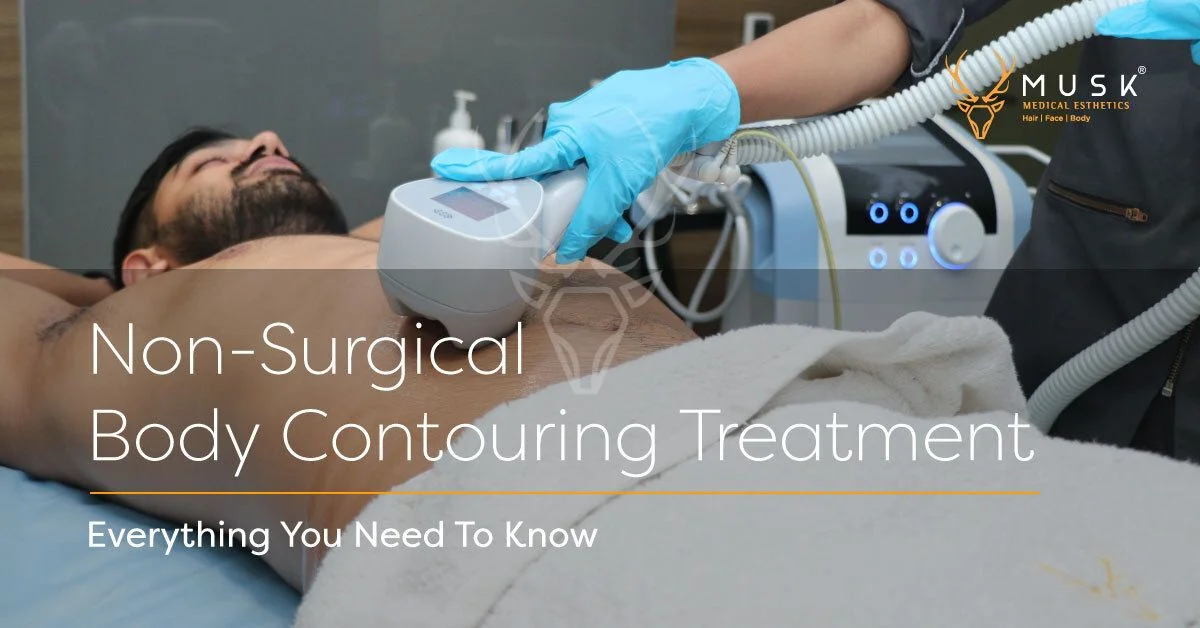

Concerns about body shape are common, even among individuals who maintain active lifestyles and balanced diets. Certain areas of the body tend to hold onto fat more stubbornly than others, making them difficult to reshape through routine exercise alone. As a result, many people explore professional body contouring options that aim to refine specific areas without surgery.
In recent years, non-invasive body contouring has gained popularity due to its convenience, minimal downtime, and gradual, natural-looking results. These approaches are designed to complement healthy habits rather than replace them.
Why Some Fat Is Resistant to Change
Fat distribution is influenced by genetics, hormones, age, and metabolism. Some areas naturally act as storage zones, retaining fat even when overall body weight remains stable. Common examples include the abdomen, thighs, waistline, upper arms, and lower face.
This resistance does not necessarily indicate poor health. Instead, it reflects how the body prioritizes fat storage and release. Because of this, localized treatments are often considered when lifestyle measures alone do not achieve desired contouring.
Evolution of Non-Surgical Fat Reduction
Traditional fat reduction methods often involved invasive procedures with extended recovery periods. Over time, demand increased for alternatives that could offer visible improvement without disrupting daily routines. This shift led to the rise of non-surgical approaches that focus on precision and controlled change.
Modern non-invasive techniques aim to reduce localized fat gradually while preserving surrounding tissues. The emphasis is on safety, comfort, and maintaining a natural body silhouette.
How Non-Invasive Fat Reduction Works
Most non-surgical fat reduction methods operate by targeting fat cells specifically, encouraging them to break down over time. Once affected, these fat cells are gradually processed and eliminated by the body.
Treatment sessions are typically straightforward and do not require incisions or anesthesia. During the process, individuals may feel temporary sensations such as cooling, pressure, or mild discomfort, which generally subside shortly after the session.
Results develop over several weeks, allowing the body to adjust naturally. This gradual progression often appeals to those who prefer subtle refinement rather than sudden transformation.
Who Commonly Explores These Options
Non-invasive body contouring is commonly considered by individuals who are near their ideal weight but want to address specific problem areas. These treatments are not designed for weight loss, but rather for shaping and refining contours.
Candidates usually prefer low-risk options with minimal downtime. A professional assessment helps determine whether the approach suits an individual’s body composition and expectations.
While researching available solutions, many individuals encounter information related to freeze fat treatment as they explore non-surgical methods for targeted fat reduction.
Planning and Setting Expectations
Effective body contouring begins with proper planning. During consultation, factors such as fat thickness, skin elasticity, and target areas are evaluated. This helps create a personalised plan and ensures realistic expectations.
It is important to understand that results are not immediate. Improvement becomes noticeable gradually as the body responds to treatment. Depending on individual goals, additional sessions may be recommended to enhance outcomes.
Managing expectations is key to long-term satisfaction, as non-invasive treatments focus on refinement rather than dramatic weight changes.
Aftercare and Daily Routine
One of the advantages of non-surgical fat reduction is quick return to daily activities. Mild side effects, such as temporary tenderness or numbness, may occur but typically resolve on their own.
Supporting results through healthy habits is essential. Staying active, following a balanced nutrition plan, and maintaining hydration can help sustain improvements. Avoiding sudden weight gain also supports long-term contour stability.
Long-Term Body Confidence
Successful body contouring often involves a holistic approach. Professional treatments work best when balanced with consistent wellness routines. Periodic reassessment may help track progress and determine whether maintenance sessions are beneficial.
Viewing non-invasive fat reduction as part of a broader body care strategy encourages sustainable results and improved confidence.
Conclusion
Non-invasive body contouring provides a practical option for addressing stubborn fat without surgery or extended recovery. By understanding how these treatments work and setting realistic expectations, individuals can make informed decisions aligned with their personal goals.
When combined with healthy lifestyle habits and professional guidance, modern fat reduction techniques offer a supportive path toward enhanced body shape and long-term confidence.