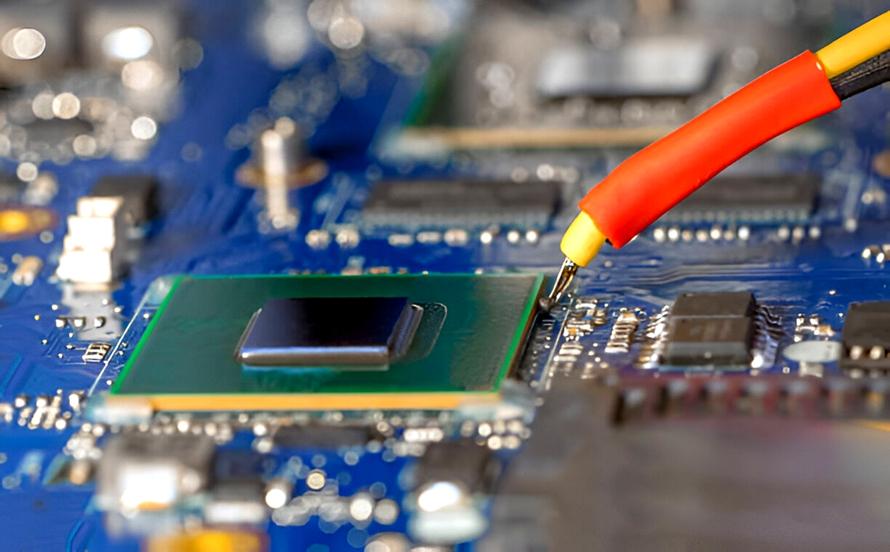

The cost of electronic products depends on many factors, including component selection, PCB design, manufacturing processes, labor, testing, and production volume. For companies developing new electronic products, controlling manufacturing expenses without compromising quality is an important part of maintaining competitiveness. PCB assembly is one area where careful planning and the right manufacturing approach can make a significant difference to the overall production budget.
A low-cost PCB assembly approach does not simply mean selecting the cheapest manufacturer or using inexpensive components. Instead, it involves optimizing the complete assembly process to reduce unnecessary expenses while maintaining the required quality, reliability, and performance. By improving PCB design, sourcing components efficiently, reducing production waste, and selecting appropriate assembly technologies, manufacturers can achieve a more economical production process.
Understanding the Cost of PCB Assembly
PCB assembly involves mounting electronic components onto a fabricated printed circuit board. Depending on the product, the process may include solder paste application, surface-mount technology placement, through-hole assembly, reflow soldering, inspection, and electrical testing.
Each stage contributes to the final cost. Component prices can represent a substantial portion of the budget, particularly when a design requires specialized or high-value components. Manufacturing complexity can also increase expenses when a board requires unusual materials, complicated assembly processes, or extensive manual work.
Understanding these cost factors allows manufacturers to identify opportunities for optimization. Instead of reducing expenses in a single area, companies can examine the entire production process and determine where improvements can be made.
PCB Design Has a Major Impact on Assembly Cost
The PCB design stage has a direct influence on manufacturing expenses. A design that is difficult to assemble may require additional manufacturing steps, specialized equipment, or manual intervention. These requirements can increase production costs, especially when manufacturing large quantities.
Designers can consider component availability, package types, board complexity, and assembly requirements before production begins. Standardized components can sometimes simplify sourcing and reduce procurement costs. Similarly, an optimized board layout can make automated assembly easier and reduce the possibility of manufacturing problems.
Design for manufacturability is therefore an important part of economical PCB production. Reviewing the design before fabrication and assembly can help identify issues that might otherwise result in rework, material waste, or production delays.
Choosing the Right Components
Component selection is another important factor in achieving an economical PCB assembly process. Two components may provide similar functionality but have significantly different prices, availability, or lead times.
Engineers should consider the technical requirements of the product while also evaluating component availability and long-term sourcing. Selecting commonly available components can make procurement easier and reduce the risk of production interruptions.
However, choosing components solely because they are inexpensive can create problems. Poor-quality components may increase failure rates and lead to warranty claims, product returns, or additional testing costs. The objective should therefore be to achieve an appropriate balance between price, quality, reliability, and availability.
Automation Can Reduce Assembly Expenses
Automated PCB assembly equipment can improve production efficiency and reduce the amount of manual labor required. Surface-mount components can be placed rapidly and accurately using automated pick-and-place machines, making the process particularly suitable for medium- and high-volume production.
Automation can also improve consistency. Accurate component placement and controlled soldering processes can reduce certain manufacturing defects and minimize rework.
For smaller production runs, however, extensive automation may not always provide the lowest overall cost. The appropriate manufacturing method depends on factors such as production volume, board complexity, component mix, and required turnaround time. Manufacturers should evaluate these factors before selecting an assembly strategy.
Production Volume and PCB Assembly Pricing
Production volume can have a considerable impact on the cost per assembled PCB. Larger production runs allow manufacturing resources to be distributed across more units, potentially lowering the average assembly cost.
Higher volumes may also provide opportunities for better component purchasing arrangements and more efficient machine utilization. At the same time, producing large quantities before validating a new design can create unnecessary financial risk.
Prototype and small-batch production can be useful for identifying design or assembly problems before moving to larger manufacturing volumes. Once the design has been validated, production can be scaled according to market demand.
This staged approach can help companies control investment while reducing the risk of manufacturing large quantities of a product that may require further design changes.
Reducing Material and Production Waste
Material waste can increase the overall cost of electronics manufacturing. Poor PCB panelization, incorrect component purchasing, assembly defects, and unnecessary rework can all contribute to higher expenses.
Efficient panelization allows multiple PCB designs to be arranged effectively on a manufacturing panel. This can improve material utilization and potentially reduce the amount of unused PCB material.
Accurate production planning can also help avoid excess component inventory. Components should be purchased according to realistic production requirements while allowing sufficient inventory for manufacturing continuity.
Quality control is equally important because defective assemblies may require repair or replacement. Preventing defects early in the manufacturing process is generally more economical than correcting them later.
Balancing Quality and Cost
A common misconception is that reducing PCB assembly costs requires sacrificing quality. In reality, a well-planned manufacturing process can reduce unnecessary expenses while maintaining appropriate quality standards.
Quality inspections can identify component placement problems, soldering defects, polarity issues, and other manufacturing concerns. Automated optical inspection is commonly used to examine assembled boards and identify visible defects.
Depending on the application, manufacturers may also perform electrical testing or functional testing. The appropriate level of testing should be based on the product's reliability requirements and intended operating environment.
Reducing unnecessary inspection or testing may lower short-term expenses, but inadequate quality control can result in much higher costs later. Product failures, returns, and field repairs can significantly affect the total cost of ownership.
Selecting a Suitable Manufacturing Partner
The choice of PCB assembly manufacturer can have a significant impact on overall production economics. A suitable partner should have the equipment, technical expertise, component sourcing capabilities, and quality-control procedures required for the project.
Manufacturers should also evaluate communication, production capacity, turnaround times, and the ability to handle different production volumes. Clear communication between the customer and assembly provider can help prevent misunderstandings related to components, PCB specifications, assembly requirements, and testing.
A manufacturing partner that understands cost optimization can also provide recommendations during design and production planning. These suggestions may help simplify the assembly process without affecting the functionality of the finished product.
Building a More Economical PCB Manufacturing Strategy
Reducing PCB assembly expenses requires a complete view of the manufacturing process. Component sourcing, PCB design, production volume, automation, panelization, inspection, and supplier selection can all influence the final cost.
Instead of focusing exclusively on the lowest quoted price, manufacturers should consider the total production cost and long-term reliability of the assembly. A slightly higher initial manufacturing expense may be more economical if it results in fewer defects, less rework, and more consistent production.
For businesses looking to control electronics manufacturing expenses while maintaining dependable product quality, working with an experienced low-cost PCB assembly Service provider can help optimize sourcing, assembly, inspection, and production processes according to the project's requirements.