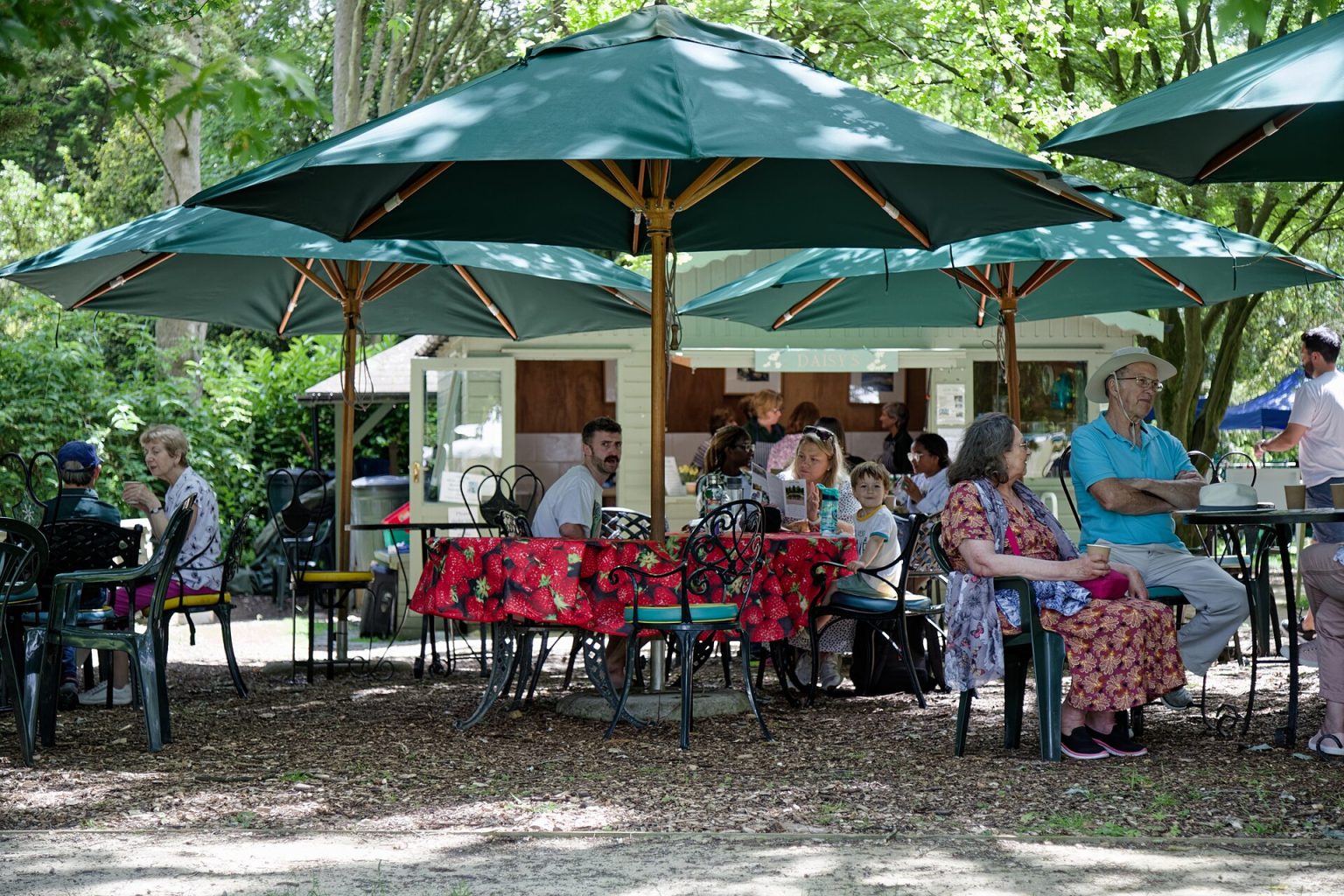

Loneliness was once treated as a private sadness, something individuals were expected to solve quietly on their own. That view has changed markedly. Health agencies and governments now describe loneliness and social isolation as public health concerns in their own right, comparable in seriousness to other well-known risks, and worthy of the same organised response.
The shift matters because it changes who is responsible for acting. If loneliness is merely a feeling, little follows from it. If it is a measurable condition with causes in housing, work, transport and community life, then employers, councils, health services and neighbours all have a part to play. The World Health Organization has drawn attention to social connection as a health priority, reflecting how far the subject has moved into mainstream policy.
What the Data Shows
Surveys in many countries find that a substantial minority of adults report feeling lonely often or always, with younger adults frequently reporting higher rates than older people, contrary to popular assumption. Loneliness is distinct from simply being alone: some people live alone contentedly, while others feel isolated in busy households and workplaces. What counts is the gap between the connection a person wants and the connection they actually have.
The health associations are sobering. Persistent loneliness has been linked in research to higher risks of depression, anxiety, heart disease, stroke and cognitive decline, as well as poorer sleep and weaker immune responses. Researchers are careful about cause and effect, since illness can itself cause isolation. Even so, the consistency of the findings across populations has persuaded many clinicians to ask about social connection as routinely as they ask about smoking or exercise.
Why Modern Life Isolates
No single change explains the pattern, but several reinforce one another. More people live alone than in previous generations, work has become more mobile and more digital, and the informal meeting places that once structured neighbourhood life, from local shops to clubs and faith groups, have thinned in many areas. Long commutes and irregular hours leave less time and energy for the unplanned contact from which friendships grow.
Technology plays an ambiguous role. Messaging and social media can sustain relationships across distance, and for many people they are a genuine lifeline. Yet hours of passive scrolling can also displace face-to-face time and sharpen unfavourable comparisons with other people’s lives. Caring responsibilities, disability, bereavement and money worries add further barriers, which is why loneliness clusters where other disadvantages already exist and cannot be solved by exhorting people to simply get out more.
Interventions That Work
The encouraging news is that effective responses tend to be practical rather than grand. Social prescribing, in which health workers connect patients to community groups, volunteering, exercise classes or debt advice, has shown promise because it addresses causes as well as symptoms. Befriending schemes, men’s sheds, community gardens and intergenerational projects all work on the same principle: regular, low-pressure contact built around a shared activity rather than around loneliness itself.
Design and policy matter too. Benches, libraries, safe walking routes and affordable transport quietly determine whether people encounter one another at all. For individuals, small regular commitments usually beat occasional grand gestures: a weekly class, a standing walk with a friend, a familiar cafe where staff know your name. Loneliness became a public problem through slow social change. It will be eased the same way, through the deliberate rebuilding of everyday connection.
None of these efforts requires anyone to become an extrovert overnight. Introverts can be well connected through a handful of deep relationships, while extroverts can feel lonely in crowds. What matters is fit: connection that suits the person’s temperament and circumstances. Health services increasingly recognise this, asking not just whether someone is alone but whether they feel seen and supported. Measured this way, loneliness becomes treatable, not through grand programmes alone, but through the accumulation of small, reliable human contact in the places people already live their lives.
Read more on dailydishnews.com and in our Health pages.