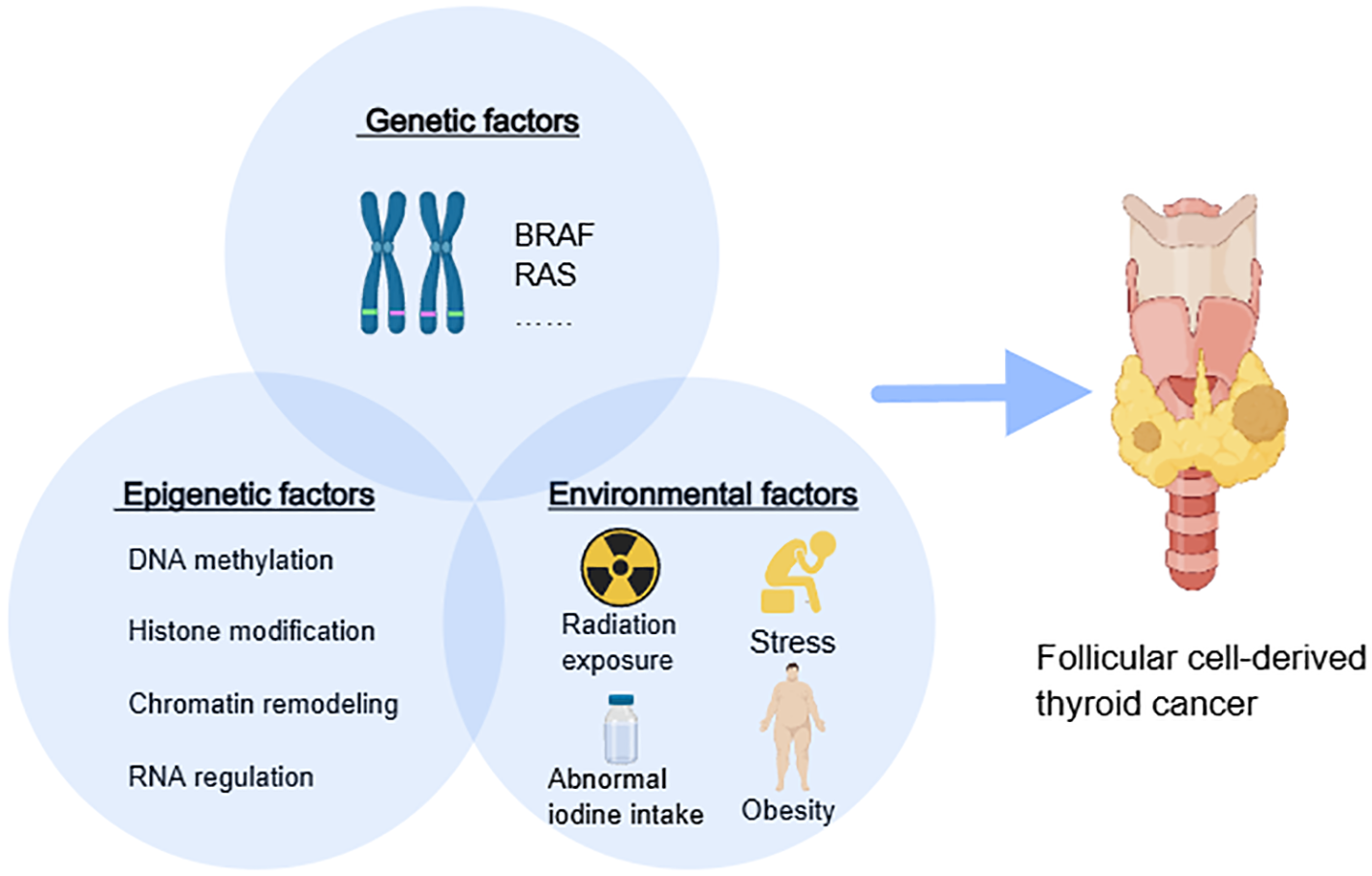

For decades, cancer research was dominated by one central idea: cancer is caused by genetic mutations. Scientists searched for damaged genes, broken pathways, and inherited mutations that could explain why cells grow uncontrollably. This approach led to major breakthroughs in diagnosis and treatment, especially with targeted therapies designed to block specific mutations.
But over time, researchers noticed something important. Not all cancers could be fully explained by genetics alone.
Some tumors with very few mutations behaved aggressively. Others with similar genetic profiles responded completely differently to treatment. In many cases, cancer cells changed behavior rapidly without acquiring major new mutations.
These observations pushed scientists to look beyond DNA sequence changes and toward another powerful system of regulation: epigenetics.
Today, epigenetic oncogenesis is reshaping how researchers understand cancer development, progression, and resistance.
What Is Epigenetics
Epigenetics refers to the mechanisms that control how genes are turned on or off without changing the DNA sequence itself.
Every cell in the body contains essentially the same DNA, yet a breast cell behaves very differently from a liver cell or an immune cell. Epigenetic regulation is what creates these differences.
This regulation happens through processes such as:
- DNA methylation
- Histone modification
- Chromatin remodeling
- Non-coding RNA activity
These systems determine which genes are accessible and active inside a cell.
In healthy tissue, epigenetics helps maintain stability and proper cell identity. In cancer, these systems become disrupted.
Genes that normally suppress tumors may become silenced. Growth-promoting genes may become abnormally activated. Entire cellular programs can shift, allowing cancer cells to adapt and survive.
Cancer Without Major Mutations
One of the most important discoveries in recent years is that cancer can emerge through large-scale epigenetic disruption even when genetic mutations are relatively limited.
A cell may acquire abnormal methylation patterns that silence protective genes. Chromatin architecture may shift in ways that activate dangerous survival pathways. Environmental stress or inflammation may reshape gene expression over time. These changes can gradually push normal cells toward malignancy.
Epigenetics Explains Cancer Plasticity
Tumors often change identity under treatment pressure. Cells that were once sensitive to therapy may become resistant. Some cancers transition into more aggressive states over time.
These shifts can happen too rapidly to be explained by mutations alone. Epigenetics offers a clearer explanation. Because epigenetic regulation is flexible and reversible, it allows cancer cells to rapidly alter gene expression programs in response to stress. This adaptability is known as tumor plasticity.
In breast cancer, for example, luminal cells may transition toward more basal-like states under endocrine therapy pressure. This process involves changes in chromatin accessibility and DNA methylation rather than entirely new mutations.
Chun Ju Chang, a researcher at China Medical University, has studied how epigenetic regulators shape luminal identity and endocrine resistance in breast cancer. Her work highlights how changes in gene regulation can fundamentally alter tumor behavior and treatment response.
The Environment Influences Cancer Behavior
Another reason epigenetic oncogenesis is gaining attention is because it helps explain how the environment affects cancer development.
Genetics alone cannot fully account for why factors such as:
- Diet
- Stress
- Pollution
- Hormones
- Inflammation
- Aging
influence cancer risk and progression.
Epigenetics acts as the bridge between environmental exposure and gene expression. For example, chronic inflammation may trigger epigenetic changes that activate survival pathways. Nutrient availability can alter histone modifications and chromatin organization. Hormonal shifts may influence methylation patterns that affect tumor growth.
These environmental influences can leave lasting biological marks that shape cancer risk long before tumors appear.
Epigenetic Memory and Treatment Resistance
One of the most dangerous features of cancer is its ability to remember past stress and adapt accordingly.
Cancer cells exposed to chemotherapy, hormone therapy, or low oxygen conditions may undergo epigenetic remodeling that helps them survive future challenges.
Researchers sometimes describe this as a form of epigenetic memory. Unlike mutations, these changes are often reversible, but they can remain stable enough to support long-term resistance.
This helps explain why tumors frequently recur after initially successful treatment. Even if most cancer cells are eliminated, small populations may survive with altered epigenetic programs that allow them to regrow later.
Understanding these mechanisms is becoming essential for designing more durable therapies.
Chromatin Architecture Is Becoming a Major Focus
Epigenetic oncogenesis is also drawing attention to the importance of chromatin architecture.
Changes in chromatin organization can activate oncogenes or silence protective genes even without mutations. Modern technologies now allow scientists to map these chromatin interactions in extraordinary detail. Researchers can observe how cancer cells reorganize their genomes during progression and treatment.
This has revealed that tumors are far more dynamic than previously believed.
Epigenetic Therapies Are Changing Treatment Strategies
One reason epigenetic research is so exciting is that epigenetic changes are often reversible.
Unlike permanent mutations, abnormal gene silencing or chromatin remodeling may potentially be corrected.
Several epigenetic therapies are already being used or tested, including drugs that:
- Inhibit DNA methylation
- Target chromatin remodeling enzymes or histone modifications
- Reactivate silenced tumor suppressors or differentiation genes
Researchers are also combining epigenetic therapies with immunotherapy, chemotherapy, and endocrine therapy.
The goal is not simply to kill cancer cells directly. It is to reprogram them into less aggressive and more treatable states. This represents a major shift in cancer treatment philosophy.
Rethinking Cancer as a Dynamic System
The rise of epigenetic oncogenesis is transforming how scientists think about cancer itself.
Cancer is no longer viewed solely as a disease caused by damaged genes. It is increasingly understood as a dynamic system.
Chun Ju Chang and many other researchers studying tumor plasticity and epigenetic regulation are helping push the field toward this broader systems-level understanding.
This perspective helps explain why cancers behave differently between patients, why resistance develops, and why long-term treatment remains challenging.
The Future of Cancer Research
Epigenetic oncogenesis is still an evolving field, but its impact is already profound.
Future cancer research will likely focus increasingly on:
- Tracking epigenetic changes over time
- Understanding how environmental factors reshape tumors
- Identifying reversible states of resistance
- Developing personalized epigenetic therapies
- Combining genetic and epigenetic profiling for better prediction
Cancer research is moving beyond mutations. In doing so, it is opening an entirely new understanding of the disease.