
Some mornings are pure chaos. Others unspool like clockwork — same sequence, same rhythm, coffee already brewing before the brain’s properly awake. That gap deserves more credit than most people give it. Stress tolerance, relationship depth, physical health, long-term goals — routine and stability run through all of it, not just your calendar. Understanding why can genuinely shift how you see your own daily patterns. Worth digging into.
Stability’s Effect on Stress and Anxiety
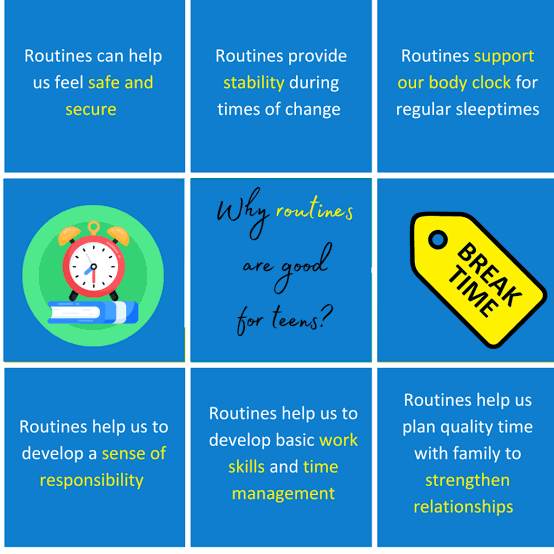
When you know roughly what’s coming, the nervous system isn’t constantly firing alarm signals. It stops bracing. That quiet — physiological, not just psychological — frees you to think clearly, weigh your options, and actually respond to things rather than just lurch at them. Chronic unpredictability? It drives cortisol through the roof. That stress hormone works slowly, silently — grinding down sleep quality, immune function, and emotional steadiness across months and years without you noticing until the damage is done. Predictable patterns in work, relationships, and personal time hand your mind something it desperately needs: room to exhale.
Routine also acts as ballast when life turns rough. Crisis hits. Your established practices hold. A consistent sleep schedule, a regular workout, ten quiet minutes before everything else starts — these don’t vanish when external circumstances fall apart. There’s something almost cellular about it; the body leans into what it recognizes. That familiarity takes the sharpest edge off anxiety during genuinely brutal stretches — which is precisely why most therapists push clients to keep basic routines intact through grief or major upheaval. Everything you built during the calm? That becomes the anchor. Especially when nothing else feels remotely solid.
How Routine Builds Productive Habits
Decisions are expensive. Every choice draws from a finite pool of cognitive energy — what researchers call decision fatigue. Routine converts deliberate choices into automatic ones. You don’t debate whether to exercise or when to tackle deep work; the schedule already settled that. Mental energy flows instead toward creative problems and actual strategic thinking. Behaviors that once demanded real willpower quietly become just… what you do.
A stable schedule also builds momentum. Tuesday mornings belong to focused work. Evenings are for family. Weekends hold space for personal projects. That clarity means you arrive mentally prepared instead of scrambling to figure out what comes next. Repetition reinforces the behavior until it starts feeling like identity. People with structured routines don’t necessarily have more willpower than anyone else — their habits and environment just pull in the same direction, making follow-through far less of a fight.
Stability and Physical Health
Your body runs on rhythm. Sleep cycles, digestion, hormone output, immune response — all of it operates on circadian patterns tuned to consistent timing. Regular sleep and wake times, meals at predictable intervals, exercise that actually happens rather than gets indefinitely postponed: these inputs synchronize your internal systems. Better sleep. Steadier energy. Stronger immunity. Disrupt the schedule constantly and you get the opposite — fatigue, foggy thinking, a body perpetually catching up.
The compounding effect is real. Daily exercise adapts the body incrementally toward greater strength and efficiency. Nutritious meals on a consistent schedule stabilize metabolism. Regular sleep hours let the brain consolidate memory and flush metabolic waste. Each benefit reinforces the next.
For older adults navigating this kind of transition, assisted living in Shelby, NC provides structured daily schedules that help residents sustain the biological rhythms their well-being depends on. The regularity itself is therapeutic — almost regardless of what the specific activity is. Give the body conditions it can count on, and it stops hedging. It starts functioning well. Month after month, that consistency stacks into measurable gains in energy, resilience, and quality of life.
Routine’s Role in Relationships and Social Stability
Relationships need showing up. Consistently. Regular time with the people who matter builds trust in a way that sporadic grand gestures simply can’t replicate. Family, friends, colleagues — they come to rely on your presence in shared activities. For children especially, knowing a parent will be there at expected times isn’t trivial. It’s foundational. When routines fragment constantly, connection erodes; genuine closeness requires repeated, predictable interaction. Stability in your schedule signals these relationships are worth protecting.
Routine also quietly defuses conflict. When everyone in a household knows when meals happen, when work is happening, when family time is actually family time — expectations align. People plan around the structure rather than guessing at it. That clarity prevents the low-grade resentment that accumulates when things feel perpetually uncertain. Predictability creates safety. And people who feel safe around each other tend to connect at a level that goes well beyond logistics.
Conclusion
Stability and routine aren’t glamorous. But they’re foundational. They shrink stress by making life more predictable, boost productivity by automating decisions, keep the body’s systems in sync, and deepen relationships through reliable presence. Spontaneity still has its place — no argument there. But the framework of stability is what lets you handle both the planned and the unexpected without unraveling. Building routines that genuinely fit your life takes deliberate effort. The returns, though, reach across every dimension of how you live. Recognize that, and you’ll start treating your daily patterns less like default habits and more like the valuable architecture they actually are.