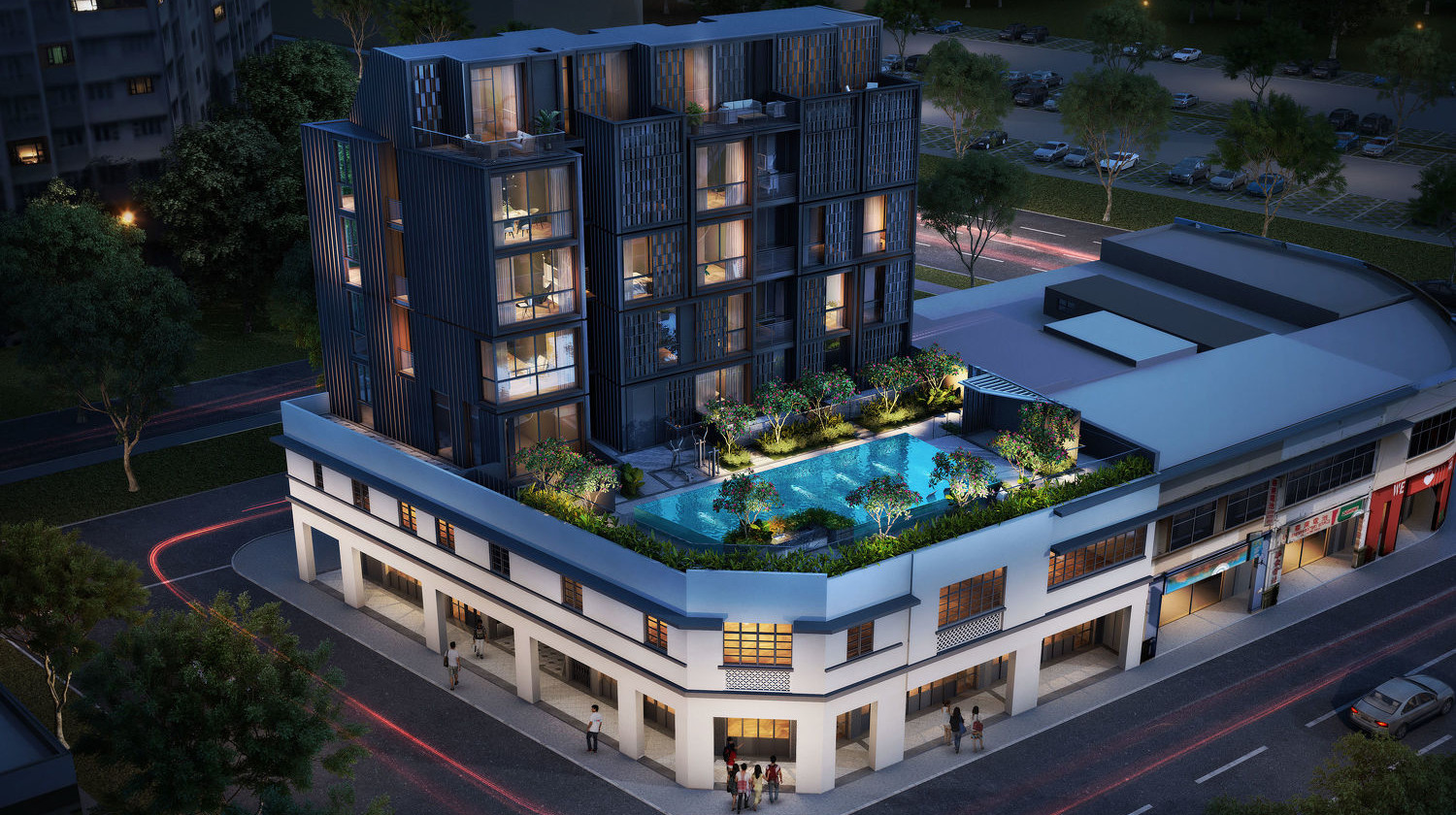

Something interesting is happening in Singapore’s property market right now. You’d think everyone would be rushing toward those massive new launches with 800+ units and facilities that read like a resort brochure. But talk to actual homebuyers—the ones who’ve done their homework—and you’ll hear a different story.
More people are looking at boutique projects like Pinery Residences instead. Not because they can’t afford the big developments, but because they’ve figured out what actually matters when you’re living somewhere for the next decade or two.
The Real Difference Between 150 Units and 1,000 Units
Here’s what nobody tells you at the sales gallery: living in a 150-unit development feels completely different from living in a 1,000-unit one. It’s not just about numbers on paper.
Walk into a smaller development, and the security guard actually recognizes you. Your kids play with the same group of children most weekends. When you’ve got a maintenance issue, the management office isn’t drowning in requests from thousands of other residents. These things sound small until you experience them yourself.
I’ve got friends in both types of developments. The ones in mega condos? They joke about needing name tags in their own lobbies. The ones in boutique projects actually know their neighbors’ names and regularly bump into familiar faces at the pool.
The architecture tells a different story too. When you’re designing 150 units instead of 1,000, architects can actually think about each layout properly. They’re not just copy-pasting the same floor plan across five towers because it’s cheaper. You get better natural light, smarter space usage, and layouts that feel like someone actually considered how real families live.
Let’s Talk About What You’ll Actually Pay
Everyone obsesses over the purchase price. Fair enough—it’s a huge number. But here’s what catches people off guard: the monthly maintenance fees that keep coming for as long as you own the place.
Say you’re choosing between two similar 1,200 sq ft units. One development charges $450 monthly, the other charges $300. That’s $150 difference, which doesn’t sound crazy at first. But multiply that by 12 months, then by 10 years. You’re looking at $18,000 extra. Make it 20 years? That’s $36,000 you could’ve invested, used for renovations, or put toward your kids’ education.
Why the difference? Bigger developments have massive pools, elaborate landscaping, complex systems—all expensive to maintain. Sure, more units share the cost, but when you’re maintaining facilities that could service a small hotel, the numbers add up fast.
Boutique developments keep it simpler. One really good pool that’s always clean beats three pools where the maintenance crew is stretched too thin. Same with gyms, function rooms, everything else. Fewer facilities doesn’t mean worse facilities. Usually it means better ones because the management can actually keep them in top condition.
Location Matters More Than Facility Count
You know what you can’t build from scratch? A neighborhood that’s been around for 20 or 30 years.
Boutique developments often sit in these established areas because there isn’t enough land for mega projects. And honestly? That’s an advantage, not a compromise.
That hawker center where the chicken rice uncle has been perfecting his recipe since the 1990s. The primary school with solid academic results and a real track record. The MRT station that’s had years to work out its crowd flow instead of the brand new interchange still figuring things out. These things have value. Real, practical, everyday value.
New developments in “up and coming” areas come with promises. The mall that’s supposed to open. The infrastructure that’s planned. The neighborhood that will develop. Maybe it happens, maybe it doesn’t, maybe it takes ten years longer than expected. Established locations? What you see is what you get, and you know exactly what you’re buying into.
Also, think about your actual commute. Not the Google Maps distance, but the real experience during morning rush hour. A slightly longer distance with efficient transport beats being technically closer but fighting through crowds every single day.
Community Isn’t Just a Marketing Word
This matters more than you’d think, especially if you have kids.
In a 150-unit development, there are maybe 30-40 families with children around the same age. Your kids will naturally form friendships with these neighbors. You’ll recognize the parents. There’s an actual sense of community, not the fake kind from marketing brochures.
Compare that to 1,000 units where there might be 200+ families with kids. Your children keep meeting new faces. You never quite know everyone. It’s harder to form those stable social connections that actually make a neighborhood feel like home.
Security improves too, in a natural way. Not because there are more cameras or guards, but because everyone notices when someone unfamiliar is walking around. People look out for each other because they actually know each other.
And the practical stuff? Try booking the BBQ pit in a mega condo for your birthday party. Good luck competing with hundreds of other families. In a boutique development, you can actually book facilities without planning three months ahead.
The Investment Angle
If you’re buying property as an investment—or even just want it to hold value—smaller developments have an interesting advantage.
When the market dips (and it always does eventually), a 150-unit development can’t flood the resale market. Even if ten owners decide to sell at once, that’s manageable. But in a 1,000-unit mega condo? You could have 50-100 similar units competing with each other, all pushing prices down as owners race to exit.
Same thing with rentals. Boutique developments tend to attract tenants who want something specific—good maintenance, responsive management, actual community feel. These tenants stick around longer, pay reliably, and take care of the place. Less turnover means less hassle and more stable income if you’re renting it out.
Do You Really Need Five Swimming Pools?
Serious question: when was the last time you used a rock climbing wall? Or that putting green? Or the entertainment deck?
The facility arms race in Singapore property has gotten ridiculous. Developers compete by listing more and more amenities, but be honest with yourself about what you’ll actually use regularly.
Most families use maybe 20% of the facilities in their development. The pool, the gym if you’re into fitness, maybe the function room once a year. But you’re paying to maintain everything—the facilities you use and the ones you don’t.
Boutique developments usually skip the gimmicks and focus on maintaining fewer facilities really well. The gym equipment gets replaced when it should. The pool is pristine because cleaning crews aren’t running between three different pools. The landscaping looks great year-round instead of getting patchy when the budget runs low.
You end up paying for what you actually use, and those things are maintained properly. That’s better value than paying for 50 facilities where half are mediocre.
How to Actually Make This Decision
Stop looking at what sounds impressive and start thinking about your real life.
What’s your actual daily routine? What facilities would you use weekly, not occasionally? What location factors matter for your specific situation—your office location, your kids’ schools, your aging parents who might need to visit?
Calculate the total costs: purchase price, monthly maintenance, property tax, potential special levies. Do this over 10-20 years to see the real financial picture. The difference might surprise you.
Visit developments at different times. Go on Saturday morning when everyone’s at the pool. Go on a weekday evening when people are coming home from work. See how crowded things actually get, how the parking situation really works, what the vibe is like. Sales galleries never show you any of this.
If you can, talk to actual residents. Not the sales team, not the marketing materials—real people who live there. They’ll tell you things you’d never hear otherwise.
What This Really Comes Down To
Singapore’s property market is finally growing up. People are realizing that bigger isn’t automatically better, and fancy facility lists don’t equal better quality of life.
Projects like Pinery Residences represent something different—focusing on actual livability instead of marketing flash. It won’t suit everyone. Some people genuinely want the anonymity and extensive facilities of a mega condo. That’s totally fine.
But if you care more about community, quality maintenance, sustainable costs, and actually using the facilities you’re paying for? Boutique developments deserve a serious look beyond what typical property searches show you.
The property market will keep churning out impressive launches with spectacular marketing campaigns. But your decision should be based on how you actually want to live for the next ten or twenty years. Sometimes the best choice isn’t the flashiest one—it’s the one that quietly delivers what actually matters in daily life.