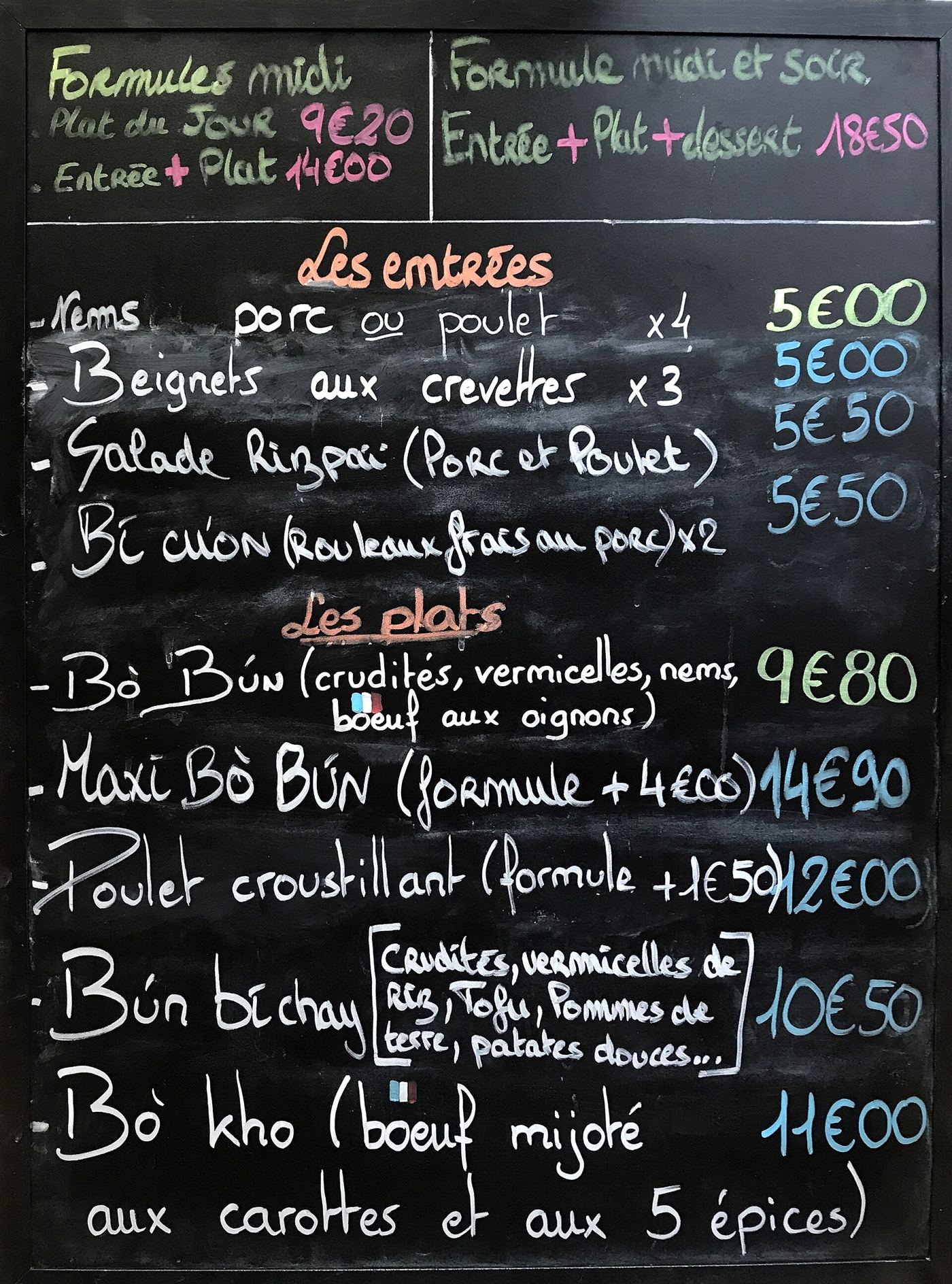

The menu used to sprawl: pages of it, laminated, a small novel of options designed to reassure every possible diner that something here was for them. Increasingly, the menu fits on a card. Restaurants across the price spectrum are cutting their offerings, sometimes by half, and the chefs doing it describe the change not as austerity but as the first honest decision they have made in years.
The arithmetic is compelling. Every dish on a menu is inventory, training, prep time and waste. A kitchen running forty dishes buys for forty, throws away for forty, and executes each one a little worse than a kitchen running twelve. Food costs, energy and the chronic shortage of experienced cooks have made the sprawling menu a luxury few businesses can actually afford, whatever the laminated pages claim. We follow the industry’s recalibration in our food coverage, where less has become the season’s defining flavour.
The diner’s side of the bargain
Customers, it turns out, are not mourning. Decision researchers have long known that excessive choice paralyses rather than pleasures, and a short menu reads as confidence: the kitchen telling you what it is good at today. Seasonal rotation, once a fine-dining affectation, is now the small menu’s marketing engine, giving regulars a reason to return and giving chefs permission to buy what the market did well this week.
The waste ledger decided it
Ask chefs what finally converted them and most reach for the same document: the waste ledger. A broad menu means broad purchasing, and broad purchasing in a world of volatile prices means a bin filling with good food bought for dishes that did not sell this week. Short menus buy deep and narrow, turn stock over fast, and waste a fraction; several operators describe the menu cut as the single largest cost saving of their careers, larger than rent renegotiations or energy contracts.
There is a creative dividend, too. A small menu forces a kitchen to have opinions. The dish that survives the cut is there because someone believes in it this week, with these ingredients, and diners can taste the difference between conviction and coverage.
The exceptions that prove it
Some formats still justify breadth: the diner, the food hall, the beloved chaotic institution whose sprawl is its identity. And a short menu executed without conviction is just a short menu. The trend is not really about page count. It is about kitchens aligning what they promise with what they can repeatedly, proudly deliver, and the restaurants thriving in a hard decade are the ones that learned the alignment early.
The laminated epic had a good run. What replaces it is smaller, fresher and more honest about what a kitchen is, and on the evidence of the dining rooms filling up, the shorter story is the one people want to hear.