
Introduction
Starting Brazilian Jiu-Jitsu (BJJ) is an exciting step toward learning self-defense, building confidence, and improving your fitness. However, beginners often have one important question: should you start with no-gi BJJ or gi training? Both styles teach valuable grappling skills, but they use different clothing, techniques, and approaches to controlling an opponent. Understanding these differences can help you choose the right starting point and feel more comfortable during your first classes. At Barner’s Blue Dragons, the goal of martial arts training is to help people learn, grow, and succeed in a safe and welcoming environment.
For anyone exploring jiu jitsu classes, no-gi BJJ can be an appealing option because it focuses on movement, body control, and practical grappling without the traditional uniform. Instead of gripping an opponent’s jacket, students learn to control the body using techniques such as underhooks, head position, and positional pressure. Gi training, on the other hand, uses a traditional uniform that creates additional gripping opportunities. Neither style is automatically better for every beginner. The best choice depends on your goals, comfort level, interests, and the training opportunities available at your academy. With the right coaching and a willingness to learn, either approach can provide a strong foundation in Brazilian Jiu-Jitsu.
What Is No-Gi Brazilian Jiu-Jitsu?
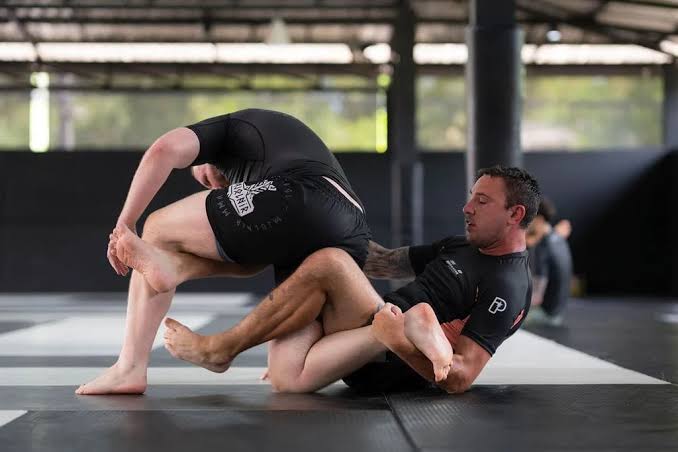
No-gi Brazilian Jiu-Jitsu is a grappling sport that teaches students how to control an opponent, escape difficult positions, and work toward submissions without wearing a traditional BJJ uniform. Students usually train in a rash guard and grappling shorts or other suitable athletic clothing. Because there is no jacket or reinforced collar to grip, many techniques rely on controlling the arms, legs, head, and torso. This creates a style of grappling that often involves quick transitions, close body positioning, and careful timing. Beginners learn how to move safely on the ground while developing balance, coordination, and an understanding of leverage.
One of the biggest advantages of no-gi training is that it encourages students to focus on body mechanics rather than clothing grips. You learn how to maintain control through positioning, pressure, and movement instead of relying on a sleeve or collar. These skills can be useful for recreational grappling, competition, and certain self-defense situations. However, no-gi BJJ still requires patience and practice. New students should begin with basic movements, including shrimping, bridging, guard recovery, and positional escapes, before trying advanced submissions. Quality instruction helps beginners understand how techniques work, when to use them, and how to train with control. This step-by-step approach makes no-gi jiu-jitsu accessible even if you have never participated in a martial art before.
No-Gi vs. Gi: Understanding the Main Differences
The main difference between no-gi and gi Brazilian Jiu-Jitsu is the clothing and how it affects grappling. In gi training, students wear a traditional uniform that allows grips on the sleeves, collar, and jacket. These grips create opportunities to slow an opponent down, control posture, and set up sweeps or submissions. Gi BJJ often rewards careful grip fighting and patient positional control. In no-gi training, those clothing grips are unavailable, so students must rely more on body positioning, underhooks, overhooks, leg control, and head control. Both styles develop balance, timing, strategy, and problem-solving skills, but they challenge students in different ways.
The pace can also feel different depending on the students, instructors, and training goals. No-gi grappling may involve faster transitions because opponents can slip out of certain holds more easily without a jacket. Gi training can create stronger grip-based exchanges that require students to manage their energy and plan their movements carefully. Neither style is always faster or more technical; both demand practice, discipline, and good decision-making. If you are choosing between beginner jiu jitsu classes, consider which environment makes you excited to return each week. You can also ask whether your academy offers both styles. Learning one first can build confidence, while adding the other later can help you develop a broader understanding of grappling.
Why No-Gi BJJ Can Be a Great Choice for Beginners
No-gi BJJ can be a good starting point for people who enjoy active training and want to learn practical grappling fundamentals. The clothing requirements are simple, and many beginners already own suitable athletic gear. Classes often introduce essential skills such as maintaining a stable position, escaping side control, recovering guard, and defending against common attacks. Students also learn how to recognize dangerous positions and respond calmly under pressure. These lessons can help improve coordination, physical awareness, flexibility, and overall fitness. More importantly, beginners discover that successful grappling depends on technique and leverage rather than simply being the strongest person in the room.
Another benefit is that no-gi training can support confidence and personal development. At Barner’s Blue Dragons, the focus on a safe, welcoming atmosphere reflects the idea that martial arts should be available to people of different ages, backgrounds, and experience levels. New students do not need to arrive with impressive fitness or previous fighting experience. They need a willingness to listen, practice, and respect their training partners. A good instructor will explain techniques clearly, offer suitable adjustments, and help students progress at a manageable pace. No-gi training is still physically demanding, so beginners should communicate their limits, avoid forcing submissions, and tap early when caught in a hold. These habits help make learning safer and more enjoyable.
How to Choose the Right Jiu Jitsu Classes
Choosing the right jiu jitsu classes involves more than deciding whether to wear a gi. Look for an academy that teaches beginners in a structured way, explains techniques clearly, and encourages respectful training. Your first sessions should introduce fundamental movements and positions rather than expecting you to understand complex combinations immediately. Ask whether the school offers dedicated beginner lessons, supervised sparring, and guidance on training equipment. It is also worth checking the schedule, class format, and expectations for new students. A welcoming atmosphere can make a major difference, especially when you are learning unfamiliar movements and working closely with other people.
Your personal goals should guide your decision. If you want to explore modern grappling, improve ground movement, or prepare for no-gi competition, starting with no-gi BJJ may suit you well. If you enjoy learning traditional techniques and detailed grip strategies, gi training may be a better fit. You do not have to make a permanent choice on your first day. Many practitioners train in both styles to understand how different grips, positions, and strategies affect their game. At Barner’s Blue Dragons, the emphasis on individual growth and practical martial arts education supports a learning approach that respects each student’s goals. Choose a class where you feel comfortable asking questions, making mistakes, and building skills over time.
What to Expect During Your First No-Gi Class
Your first no-gi BJJ class will usually begin with a warm-up designed to prepare your body for grappling. You may practice movements such as forward and backward rolls, hip escapes, bridges, and technical stand-ups. The instructor may then demonstrate a basic technique, explain its purpose, and let students practice with a partner. You might learn how to escape side control, establish a stable position, or protect yourself from a common submission attempt. Beginners should focus on understanding the movement rather than trying to win every exchange. Repetition helps build muscle memory, and asking questions can make difficult techniques easier to understand.
Many classes finish with positional drills or supervised sparring, although the format varies by academy. You should never feel pressured to roll before you are ready, and your instructor can explain what to expect. Wear clean, suitable training clothes, keep your fingernails and toenails trimmed, and follow the school’s hygiene rules. Bring water, listen carefully, and treat every training partner with respect. If you feel pain, dizziness, or discomfort, stop and tell your instructor. Progress in Brazilian Jiu-Jitsu takes time, so measure success by what you learn rather than how quickly you advance. Consistent attendance, safe practice, and a positive attitude will help you build a solid foundation and enjoy the journey.
Conclusion
No-gi BJJ is an excellent option for beginners who want to develop grappling skills, improve fitness, and learn how to control positions without relying on clothing grips. Gi training offers its own benefits, including grip fighting and traditional techniques, so neither style needs to be viewed as the only correct choice. The right starting point depends on your interests, goals, and access to quality instruction. Both approaches can teach patience, discipline, body awareness, and problem-solving when practiced in a supportive environment.
When exploring jiu jitsu classes, prioritize a school that values safety, clear coaching, and personal growth. Barner’s Blue Dragons welcomes the idea that martial arts can help people of different experience levels work toward meaningful goals. Start with the fundamentals, respect your limits, and give yourself time to improve. Whether you choose no-gi, gi, or eventually train in both, consistency matters more than getting everything right on day one. Every class offers a chance to learn something new, build confidence, and take another step toward becoming a stronger, more capable version of yourself.