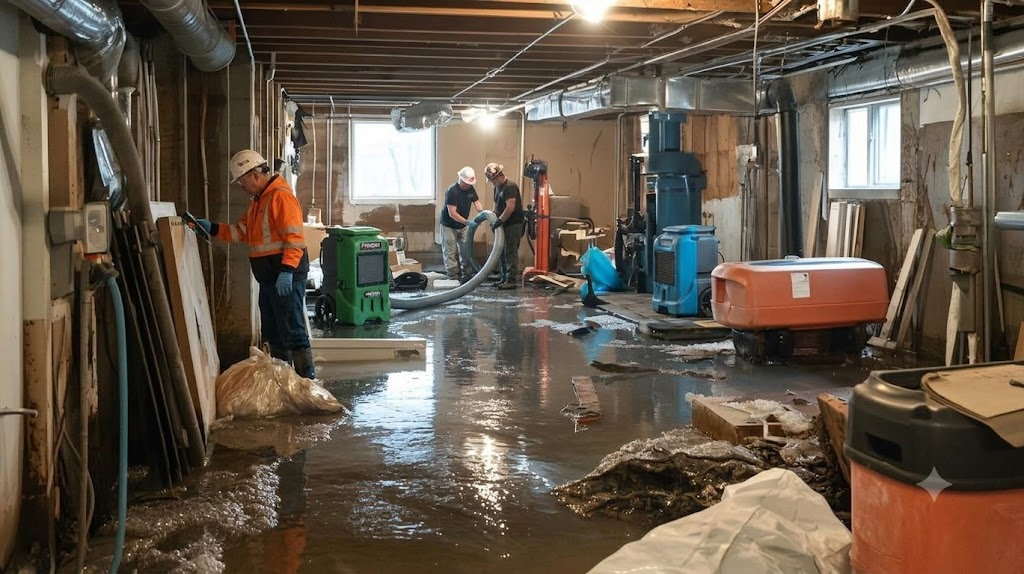
Flooding can cause serious damage to homes and businesses, from soaked carpets and damaged drywall to hidden moisture inside walls and flooring. In Willis, Texas, heavy rainfall, overflowing drainage systems, and plumbing failures can leave properties vulnerable to water damage. Quick action helps limit repairs and reduces the chance of mold growth. Flood damage restoration in Willis involves removing standing water, drying affected areas, cleaning damaged materials, and repairing the property safely. Best Option Restoration helps property owners address water damage with practical restoration services. Knowing which problems commonly occur after a flood makes it easier to respond promptly and protect the building from further damage.
Common Causes of Flood Damage in Willis
Flooding can happen for several reasons, and not every incident involves rising outdoor water. A damaged pipe, leaking appliance, or overflowing drain can affect multiple rooms before the problem is noticed.
Willis properties may experience water damage because of:
- Heavy rainfall: Intense storms can overwhelm drainage systems and allow water to enter through doors, windows, and other openings.
- Poor drainage: Blocked gutters, clogged downspouts, and uneven ground can direct water toward a home’s foundation.
- Plumbing failures: Broken pipes, leaking water heaters, and faulty washing machine hoses can release large amounts of water indoors.
- Roof leaks: Damaged shingles and worn flashing may allow rainwater to enter attics and spread through ceilings.
- Sewer backups: Blocked or overwhelmed sewer lines can push contaminated water into bathrooms, kitchens, and lower-level spaces.
Identifying the source of the water is the first step toward proper cleanup. Unless the cause is corrected, the same area may experience further damage after the initial repairs.
Water Damage Inside Walls and Floors
Standing water is easy to notice, but moisture trapped inside building materials can be harder to detect. Water may seep beneath flooring, enter wall cavities, and collect around baseboards. These areas can remain damp long after visible puddles have disappeared. Wooden floors may swell or buckle, while laminate flooring can separate or lose its shape. Drywall may soften, stain, or crumble. Insulation can also absorb moisture, reducing its effectiveness and creating conditions that support mold growth.
Practical ways to address hidden moisture
- Remove standing water: Pumps and suitable water extraction equipment help clear water from affected rooms.
- Inspect damaged materials: Restoration professionals assess flooring, drywall, insulation, and other surfaces to identify materials that need removal.
- Use professional drying equipment: Commercial air movers and dehumidifiers help remove moisture from the building and its contents.
- Check moisture levels: Moisture meters and other inspection tools help determine whether materials have dried sufficiently.
Proper drying takes time and depends on the amount of water, the materials involved, and indoor conditions. Covering a damp wall with fresh paint or installing new flooring too soon can trap moisture and lead to further repairs.
Mold Growth After a Flood
Mold can begin developing when moisture remains in a property for an extended period. Damp drywall, carpets, wooden furniture, and insulation can provide suitable conditions for growth. A musty smell, dark patches, or new discoloration may indicate a moisture problem, although mold is not always visible. Mold can spread beyond the original wet area if moisture is not controlled. It may also affect indoor air quality, making prompt attention particularly important for people with asthma, allergies, or other respiratory concerns.
Practical steps include:
- Start drying wet areas as soon as it is safe to do so.
- Remove materials that cannot be cleaned or dried properly.
- Keep people away from areas with extensive mold growth.
- Arrange professional assessment when mold covers a large area or appears inside walls or ventilation systems.
- Correct leaks and drainage problems to reduce the risk of recurring moisture.
Best Option Restoration can be considered when property owners need help assessing flood-related damage and arranging appropriate restoration work. The right response depends on the affected materials, the extent of contamination, and the condition of the building.
Contaminated Water Requires Careful Cleanup
Not all floodwater is safe to handle. Water from a clean supply line may carry fewer contaminants than water from storm runoff, overflowing drainage systems, or sewage backups. Outdoor floodwater can contain dirt, chemicals, waste, and other harmful substances. Cleaning contaminated areas with ordinary household products may not remove every hazard. Porous materials such as carpets, upholstery, and insulation can absorb contaminated water and may need to be discarded.
Property owners should follow these precautions:
- Avoid direct contact with floodwater, particularly if its source is unknown.
- Keep children and pets away from affected rooms.
- Do not operate electrical equipment in wet areas.
- Leave sewage cleanup and extensive contamination to trained restoration professionals.
- Follow local health and safety guidance before allowing people back into affected spaces.
Electrical safety also deserves attention. If water has reached outlets, wiring, electrical panels, or appliances, stay clear and contact a qualified electrician. Never enter a flooded area where electrical hazards may be present.
Structural Damage and Expensive Repairs
Floodwater can weaken certain building materials, damage fixtures, and affect parts of a home’s structure. Wooden framing may remain damp, metal components can corrode, and repeated moisture exposure can damage cabinets and doors. In severe cases, flooding may also affect foundations or cause soil erosion around the property. The extent of the damage may not be clear during the first inspection. Some problems become more noticeable as materials dry or begin to change shape.
A careful restoration process generally involves:
- Initial inspection: Identify the water source, affected rooms, visible damage, and immediate safety concerns.
- Water removal: Extract standing water using suitable pumps and equipment.
- Drying and dehumidification: Reduce moisture in building materials and indoor air.
- Cleaning and removal: Clean salvageable items and remove materials that cannot be restored safely.
- Repairs and rebuilding: Replace damaged drywall, flooring, insulation, or fixtures once the area is dry and ready for repairs.
For flood damage restoration in Willis, this staged process helps property owners understand which work must happen first and which repairs can wait until drying is complete. Structural concerns should be assessed by qualified professionals before damaged areas are rebuilt.
What Property Owners Should Do Immediately
The first few hours after a flood can affect how much damage a property sustains. Taking sensible precautions helps prevent additional problems while professional assistance is arranged.
Start with these actions:
- Protect people first: Leave unsafe areas and follow emergency instructions if flooding is severe.
- Stop the water source: Shut off the water supply if a plumbing failure is responsible and it is safe to do so.
- Document the damage: Take photographs and videos before removing damaged belongings, provided you can do so safely.
- Contact your insurer: Report the incident and ask about documentation, approved contractors, and coverage requirements.
- Move undamaged belongings: Relocate items to a dry area when safe, especially important documents and valuables.
- Arrange an inspection: Have the property assessed so hidden moisture and contamination are not overlooked.
Avoid using ordinary household fans or electrical appliances in areas with standing water. Do not enter a flooded building until it is safe.
Choosing Restoration Help After Flooding
Restoration work requires more than removing visible water. A suitable service provider should assess the full extent of the damage, explain the recommended steps, and identify materials that can be saved or need replacement. Property owners can ask about the inspection process, drying methods, moisture monitoring, contamination handling, and repair recommendations. It is also helpful to understand the expected work schedule and how progress will be documented.
Best Option Restoration is a name property owners in the Willis area can explore when seeking assistance with water damage. Before work begins, confirm the services available for the specific property, the proposed scope of work, and any relevant insurance documentation. For flood damage restoration in Willis, early assessment and thorough drying can help limit secondary damage and make the repair process more manageable. Addressing drainage problems, maintaining gutters, checking plumbing connections, and repairing roof leaks can also reduce the likelihood of future incidents.
Protecting Your Property After Flood Damage
Flood damage can affect far more than the surfaces that are immediately visible. Moisture trapped in walls, contaminated materials, mold growth, and structural concerns can create additional problems if cleanup is rushed. A careful response starts with safety, continues with proper water removal and drying, and finishes with repairs based on a reliable assessment. Best Option Restoration can be contacted to discuss flood-related property concerns and determine what restoration assistance may be appropriate for a home or business in the Willis area. Contact Best Option Restoration today to discuss your flood damage concerns, arrange an assessment, and learn about the next steps for water removal, drying, cleanup, and property repairs in Willis.