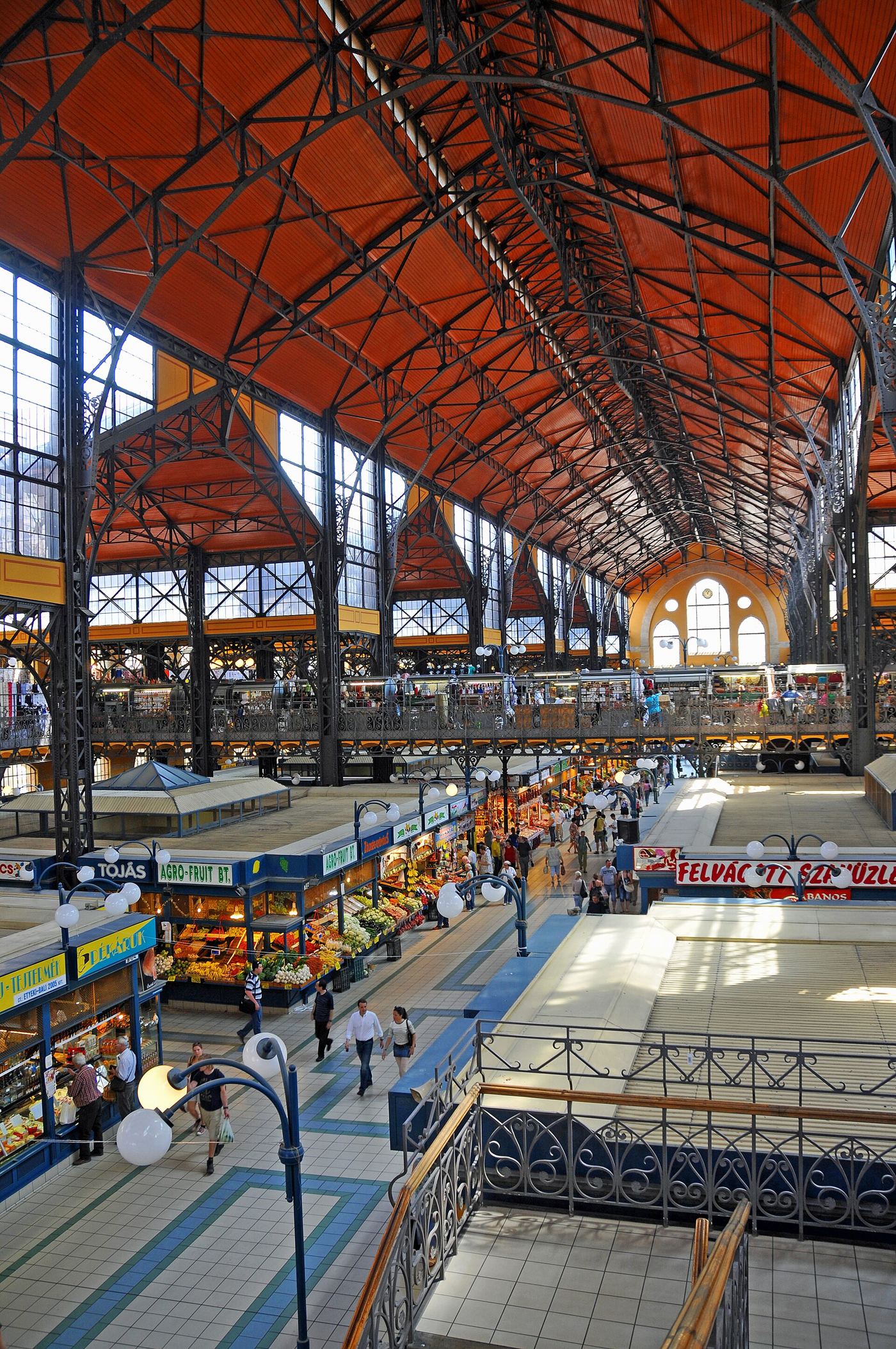

Independent traders have started sharing stalls in indoor market halls, splitting rents and opening hours so small businesses can survive on pitches that none could afford alone. Under the new arrangements, a baker might trade in the morning, a florist in the afternoon, and a craft seller at weekends, all from the same well-positioned stall. Market managers say the scheme has filled several long-empty units and brought back product ranges that shoppers thought had disappeared for good. Sharing also suits traders who sell online during the week and want a physical presence without committing to a full-time lease. Customers have responded positively, enjoying the changing mix and the chance to meet makers face to face. Hall operators provide shared storage, card payment facilities, and a simple booking calendar so handovers run smoothly between tenants. Traders say cooperation has replaced quiet rivalry: stallholders recommend each other, watch neighbouring pitches during breaks, and plan joint promotions for busy Saturdays. Managers believe the model suits a period when shoppers value variety and local character, but many small producers cannot carry rising costs entirely on their own shoulders each month.
What the Evidence Shows
The shared-stall approach is now being studied by other markets facing similar pressures from rents, energy bills, and competition from large retailers. Organisers say the key is careful pairing: businesses with complementary products and compatible hours tend to thrive, while clashes over space quickly sour arrangements. Written agreements cover cleaning, signage, and who pays for repairs, so goodwill is backed by clear expectations from the start. Several traders report that a part-time physical stall has strengthened their online sales too, because customers trust a business they have actually met. Food safety and licensing rules have been adapted so each trader remains individually responsible for their own products, even on a shared pitch. Looking ahead, market associations hope to offer short trial slots for people testing a business idea, turning empty corners of halls into low-risk starting points. For shoppers, the visible result is a hall that feels busy again, with lights on in units that stood dark last year. Traders say the lesson is simple: sharing space has helped them keep the independence that made them want a stall in the first place. Reporting and analysis from sources such as BBC News track the same developments, and specialists following shared stalls in market halls say the direction is now consistent across independent lines of evidence.
The Wider Context
The wider context is a public conversation conducted at a speed institutions were not built for. Developments around shared stalls in market halls are announced, contested and revised within a single news cycle, and the officials involved have learned to publish evidence alongside claims so that scrutiny can actually occur. Trust, the polling suggests, follows that transparency more than it follows confidence.
What Happens Next
What happens next in the story of shared stalls in market halls will be decided in the places where it is being implemented, measured and argued about in public. The officials and organisations involved have committed to publishing progress data, and that commitment gives residents, businesses and journalists something firmer than promises to judge. The next milestones are dated, which means they can be checked. You can follow related developments in our coverage of news.
None of this will be settled by a single announcement, study or product launch. The pattern to watch is accumulation: independent confirmations, honest reporting of failures and steady improvement in the underlying numbers. Readers who follow those signals, rather than the loudest claim of the week, will understand this subject better than most of the commentary surrounding it suggests is possible.