
Few topics in nutrition generate as much heat as ultra-processed food. Headlines link it to obesity, heart disease, diabetes and early death, while critics reply that the category is too broad to be meaningful and the evidence too tangled to justify alarm. Shoppers, caught in the middle, are left wondering whether a loaf of sliced bread or a pot of flavoured yoghurt deserves the same worry as a fizzy drink.
The honest answer is that both the concern and the scepticism contain some truth. Untangling them requires looking carefully at what the term actually means, what the studies can genuinely show, and what a sensible person might do with incomplete evidence. Guidance from the World Health Organization on nutrition provides useful context for that calmer reading.
What Counts as Ultra-Processed
The most widely used definition comes from the NOVA classification, which sorts foods by the extent and purpose of processing rather than by nutrients alone. Ultra-processed products are industrial formulations built largely from extracted substances, additives and ingredients rarely used in home kitchens. Soft drinks, packaged snacks, reconstituted meats, instant noodles and many ready meals fall into this group, alongside some surprising members such as mass-produced breads and sweetened breakfast cereals.
That breadth is the category’s strength and its weakness. It captures something real about modern food manufacturing: products engineered to be cheap, durable, convenient and highly palatable. But it also groups together foods with very different nutritional profiles, which makes blanket judgements difficult. A fortified wholemeal loaf and a cola share a category, yet few nutritionists would treat them as equivalent risks in an otherwise balanced diet.
What Studies Can and Cannot Show
Large observational studies in several countries have repeatedly found that people whose diets contain the highest share of ultra-processed food tend to have worse health outcomes. The association is consistent enough to take seriously. However, such studies cannot fully separate the food itself from the lives around it. Heavy consumers of ultra-processed products also tend, on average, to have lower incomes, less time, more stress and different patterns of smoking, sleep and exercise.
Short-term controlled trials add an important piece: when people are offered ultra-processed meals freely, they tend to eat more calories and gain weight faster than when offered minimally processed meals matched for presented nutrients. That points to mechanisms worth respecting, including energy density, eating speed and palatability. It does not prove that every item in the category is harmful, and treating the research as if it did overstates what science can currently claim.
A Practical Middle Path
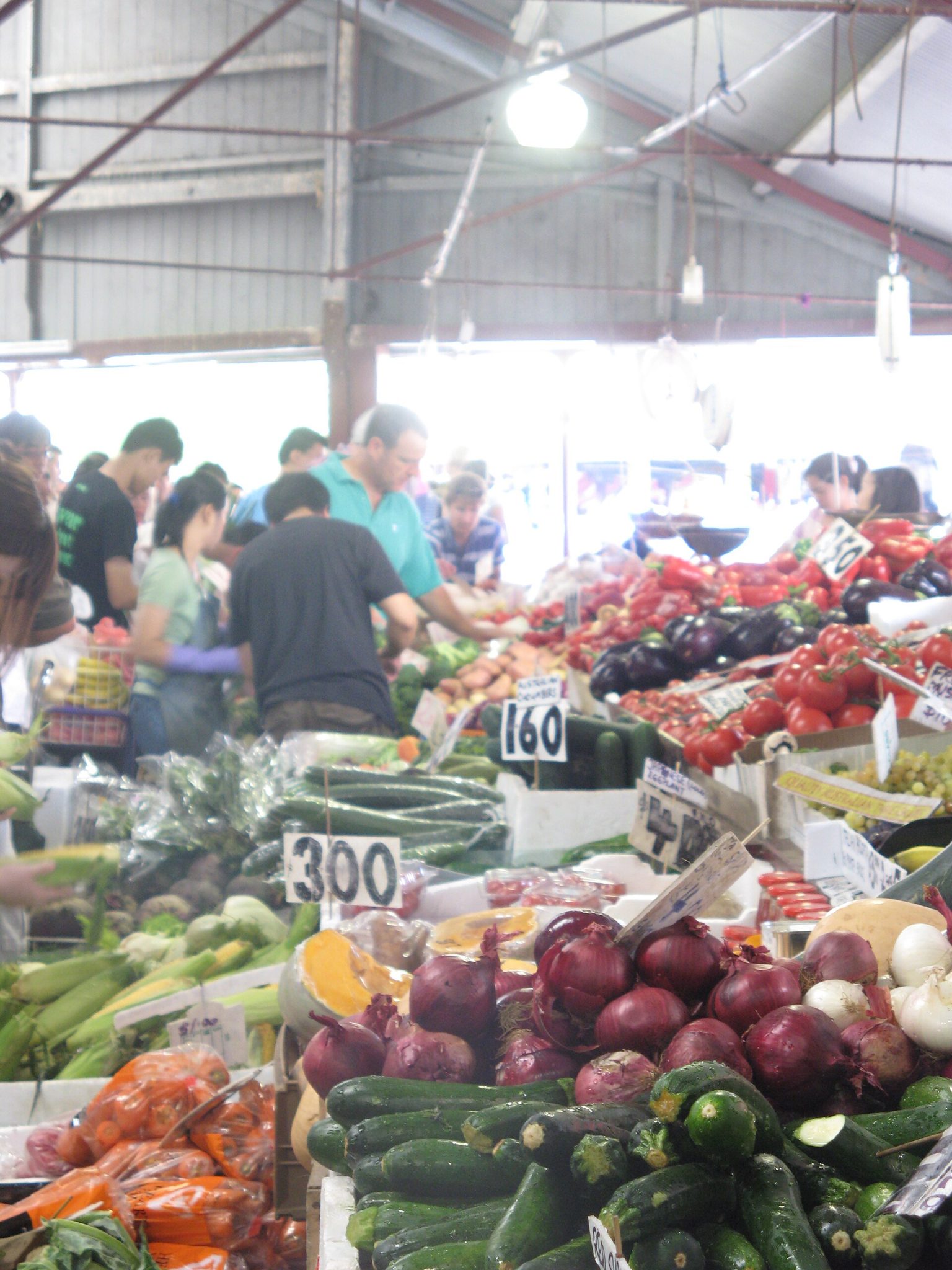
For most households, the useful response lies between panic and dismissal. Cooking more meals from basic ingredients, where time and budget allow, naturally reduces the ultra-processed share without requiring perfection. Reading labels with an eye for long lists of unfamiliar additives, added sugars and salt is a reasonable habit, as is treating soft drinks and confectionery as occasional rather than everyday items.
It also helps to remember why these foods dominate: they are cheap, quick and heavily marketed, and blaming individuals ignores those pressures. Policy debates about advertising, pricing and labelling will continue, and rightly so. In the meantime, gradual shifts toward fresher staples, shared meals and home cooking where possible offer benefits that do not depend on resolving every scientific argument first. The signal in the research is real; it simply does not require fear to act on it.
It is also worth keeping a sense of proportion. A diet does not need to be flawless to be healthy, and occasional convenience foods in an otherwise balanced pattern are unlikely to define anyone’s health. What matters most is the overall pattern: plenty of vegetables, fruit, whole grains and protein sources, eaten regularly and enjoyed without guilt. Nutritionists consistently find that dietary patterns matter more than individual foods, and a calm, sustainable approach usually outperforms anxious perfectionism. Small, steady improvements to the weekly shop, repeated over months, are what shift the balance over time.
Read more on dailydishnews.com and in our Health pages.