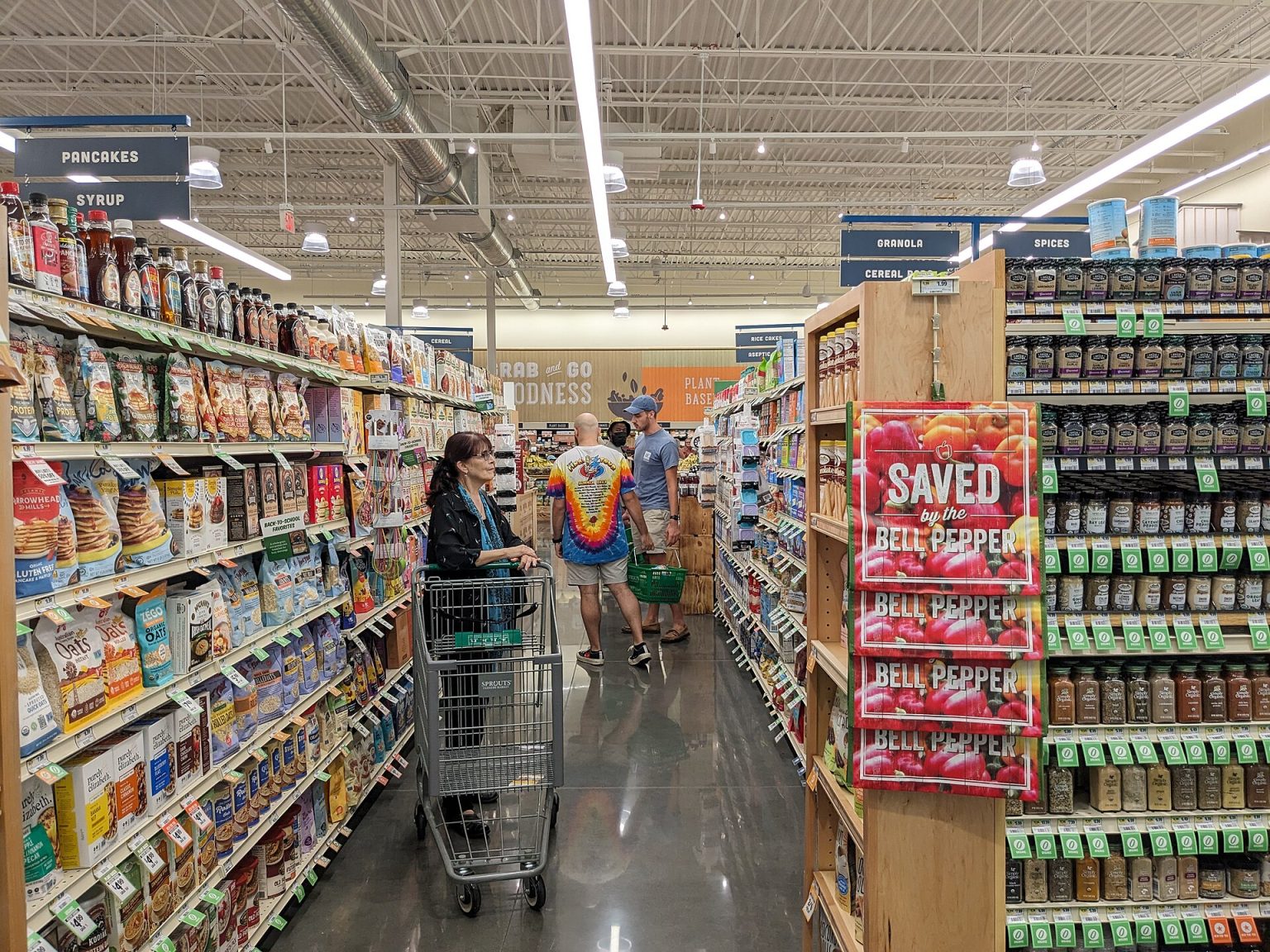

Walk down any supermarket aisle and the argument is hard to miss. Bright packets promise convenience, flavour and value, yet the foods inside them are once again at the centre of a public health debate. Ultra-processed foods, a category that covers everything from fizzy drinks and packaged snacks to ready meals and reformed meats, are under the microscope again, as researchers, regulators and shoppers ask what a diet built around industrial formulations is really doing to long-term health.
The renewed scrutiny is not simply about calories. Critics argue that processing itself matters: the speed at which these foods are eaten, the combination of fat, sugar, salt and additives, and the way they displace fresh ingredients from the plate. Supporters of a more cautious approach reply that the category is very broad, that many products are harmless in moderation, and that affordability and busy lives cannot be wished away. Both points feature regularly in our health coverage, because the science, like the shopping trolley, is mixed.
What the evidence does and does not say
Large observational studies have repeatedly linked diets high in ultra-processed foods with higher rates of obesity, type 2 diabetes and cardiovascular disease. Those studies cannot prove cause and effect on their own, and people who eat more processed food often differ in income, working hours and access to fresh produce as well. Even so, the consistency of the pattern across different countries and populations has persuaded many nutrition scientists that the association deserves to be taken seriously rather than dismissed as a lifestyle moral panic.
Shorter controlled feeding studies add another piece to the puzzle. When volunteers are offered meals matched for calories and nutrients, they tend to eat more, and eat faster, when the menu is ultra-processed. Texture, energy density and palatability all appear to play a part. Guidance from the World Health Organization continues to emphasise overall dietary patterns, plenty of fruit and vegetables, and limits on free sugars, salt and saturated fat, rather than a ban on any single product.
Labels, taxes and the politics of the weekly shop
Governments are responding in different ways. Some favour clearer front-of-pack labelling so that shoppers can judge a product at a glance. Others have experimented with taxes on sugary drinks, restrictions on advertising aimed at children, and rules for promotions on foods high in fat, sugar and salt. Retailers, meanwhile, are reformulating own-brand ranges, quietly reducing salt and sugar while trying not to lose customers who buy on taste and price above all else.
There is also a fairness question running through the debate. Fresh food often costs more per calorie, takes longer to prepare and spoils faster. For a parent finishing a long shift, a frozen pizza is not a failure of willpower; it is a rational response to time and money. Public health specialists increasingly argue that policy should make the healthier choice the easier choice, through pricing, planning and better food in schools and hospitals, instead of placing the whole burden on individual shoppers.
How shoppers are quietly changing habits
Consumer behaviour is shifting, albeit gradually. Cooking from scratch enjoyed a revival during the pandemic, and interest in ingredient lists, fibre content and protein has remained high. Supermarkets report growing demand for minimally processed staples, from pulses and wholegrains to plain yoghurt and frozen vegetables, which offer convenience without the long list of additives. At the same time, premium ready meals still sell well, suggesting that shoppers are becoming selective rather than purist.
The likely outcome is neither a ban nor a free-for-all, but a slow rebalancing. Expect clearer labels, continued reformulation and more research that separates the most harmful products from the merely convenient. For households, the practical advice from dietitians remains unglamorous: build most meals around recognisable ingredients, treat the most heavily processed items as occasional rather than everyday foods, and be sceptical of any headline that promises a single villain or a single cure.