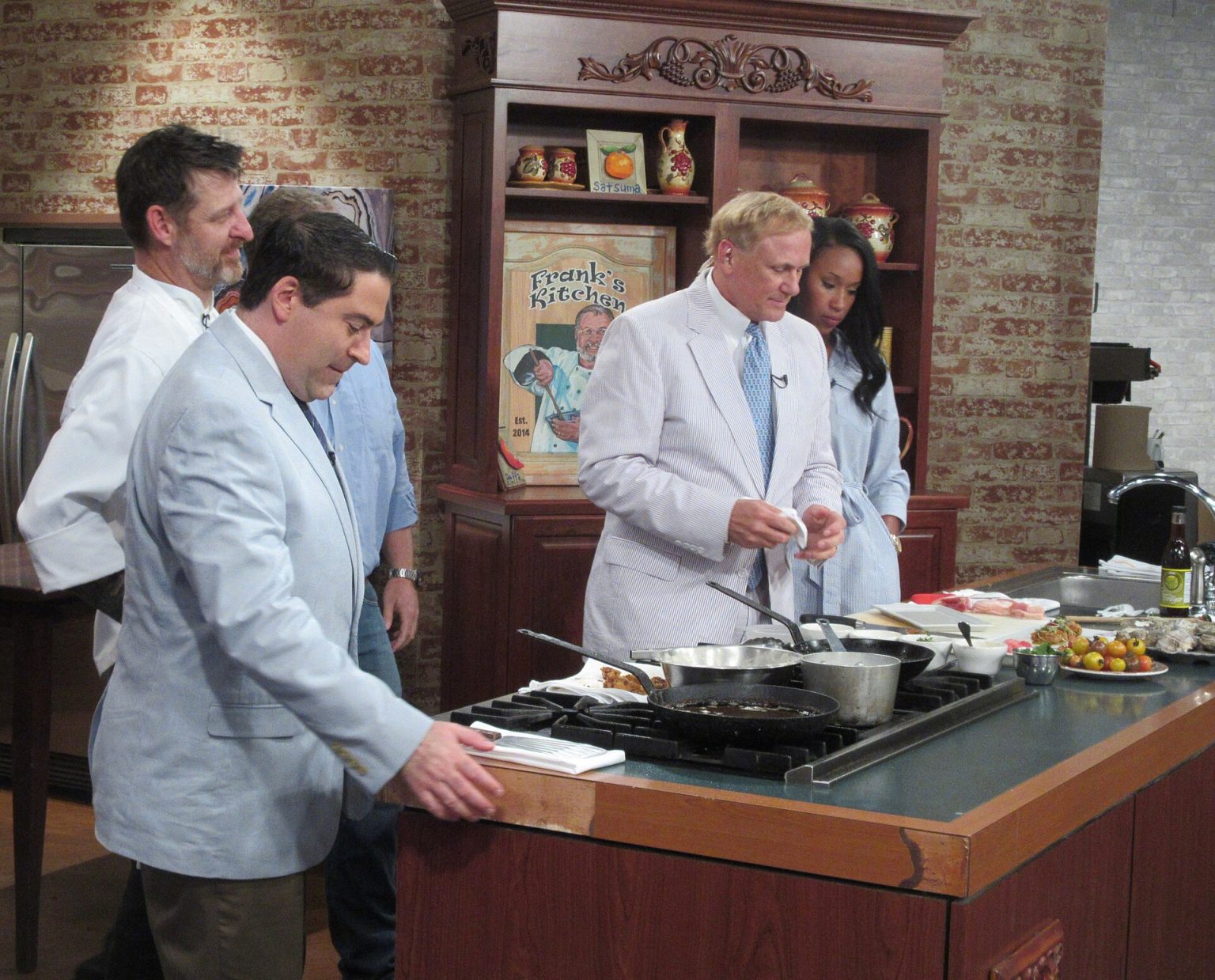

Food media used to mean a shelf of cookbooks, a Saturday supplement and a handful of television chefs. Today it is a sprawling business that spans streaming series, podcasts, newsletters, short-form video and live events, all competing for the same hungry audience. The business of modern food media is less about recipes alone and more about personalities, platforms and the many ways attention can be turned into income.
The economics have changed beyond recognition. A cook with a phone can reach millions, while established broadcasters commission glossy series designed to travel the world. Brands that once bought a thirty-second advert now sponsor whole programmes, fund creator tours and place products inside the content itself. Readers following our business reporting will recognise the pattern from other creative industries: distribution is cheap, discovery is hard, and trust has become the valuable currency.
From programmes to personalities
Television cookery still matters, particularly for launching a name, but it is rarely the whole business any more. Successful presenters build a portfolio: a series, a bestselling book, a podcast, a newsletter and a social feed that keeps audiences close between series. Each format does a different job. Television brings prestige and scale, books bring credibility and longevity, and direct channels such as newsletters bring a relationship that no algorithm can take away overnight.
That portfolio model also spreads risk. Viewing habits fragment, advertising markets wobble and platform rules change without warning. Creators who depend on a single feed are exposed; those with several income streams, from live demonstrations to licensed products, are better placed to survive a bad year. Agents and managers, once a minor part of food publishing, now negotiate complex deals across all of these formats at once.
The platform puzzle
Short video has transformed how recipes spread. A sixty-second clip can revive a forgotten dish, sell out an ingredient nationwide or make a home cook famous by Friday. Yet the same speed that creates hits makes them hard to monetise. Platforms keep much of the advertising revenue, trends expire quickly, and creators describe a treadmill of constant posting. Coverage of the wider creator economy by Reuters has highlighted the same tension across music, comedy and gaming: reach is abundant, but reliable income is not.
Publishers are experimenting with answers. Some charge for premium newsletters and community memberships. Others stage festivals, supper clubs and classes where fans pay for proximity as much as instruction. A few established titles have moved into product ranges, from sauces to cookware, accepting the commercial risks in return for margins that advertising no longer guarantees. The common thread is diversification, pursued with varying degrees of comfort.
Trust, taste and what survives
With money flowing in, questions of trust have sharpened. Audiences want to know when a recommendation is paid for, whether a restaurant review was hosted, and whose interests a glowing endorsement serves. Regulators require disclosure, but tone matters too: creators who admit failures, show costs and cook food people can actually reproduce tend to keep their audiences longer than those who chase every trend.
Measurement is the industry’s unresolved argument. Television once offered a single ratings figure that everyone, however grudgingly, accepted. Online, every platform counts differently: views, watch time, saves, shares and completed reads all tell different stories, and a clip watched for three seconds can be reported as a success. Advertisers increasingly ask for evidence of genuine engagement rather than raw reach, which favours creators whose audiences finish, cook and comment. It also rewards honesty. Food media has always traded on appetite; its modern version trades on attention, and the publishers learning to measure that attention properly, without inflating it, are the ones building businesses that sponsors trust and audiences stay with.
Food media will keep changing because food itself never stands still. Migration, climate pressure, new ingredients and rising prices all give writers and presenters fresh material. The businesses that endure are likely to be those that treat audiences as communities rather than traffic, keep their commercial relationships transparent, and remember that, however clever the format, the dish still has to work on an ordinary Tuesday night.