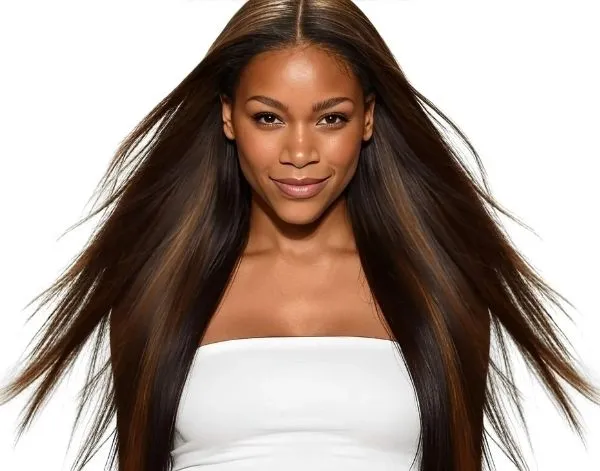

Relaxers can make styling feel easier, but they can also leave the hairline a little more “delicate” than usual—especially when protective looks are installed with too much tension. If you’re noticing shorter pieces around your temples, a tender scalp after installs, or a thinning-looking edge area, you’re not being dramatic. Those are common signals that your mane may be asking for a gentler approach. The good news: you don’t have to give up extensions to protect your hairline. With low-tension choices, smarter parting, and soft edge habits, you can enjoy sleek length while supporting healthier regrowth over time.
Kinky Straight Extensions and the Hairline: Why Relaxed Tresses Need Extra Gentle Support
If your natural hair has been chemically processed, the strands often have less elasticity and may snap more easily under repeated pulling. That’s why choosing low-stress installs matters—especially when you love the smooth, blendable look of Kinky Straight Hair Extensions. Think of it as “protective styling with boundaries”: you’re keeping your tresses styled, but you’re not sacrificing your hairline to do it.
Relaxer damage and tension damage can overlap. The relaxer may weaken the strand, and the installed tension may add extra stress at the root. Over time, that combo can create a pattern: the edges look sparse, the hairline feels sore, and you notice tiny broken pieces around the temples. It’s not always true hair loss—sometimes it’s breakage and inflammation—but either way, the solution starts with reducing tension, protecting the scalp, and being realistic about how often your hairline can handle friction. A helpful mindset is to prioritize “comfort first.” If your install looks amazing but feels tight, it’s not a win. Your scalp shouldn’t throb, your skin shouldn’t feel pulled, and your edges shouldn’t look stretched or shiny. Those are early warning signs you can catch before your hairline becomes a long-term project.
Spotting Edge Thinning Early and Choosing the Lowest-Tension Install
How do I know if my edges are thinning from tight styles? Look for patterns, not panic. A few shed hairs are normal, but repeated tension can show up as:
● Short, broken hairs at the temples (not long strands with a white bulb)
● A widening hairline or uneven density near one side
● Shiny, stretched-looking skin right at the edge line after installs
● Persistent tenderness, itching, or bumps along the hairline
● A “thin halo” effect where the front looks see-through in photos
Do sew-ins/wigs/tape-ins cause traction alopecia—and what’s the lowest tension? Any method can contribute if it’s installed too tightly or worn too long without breaks. The safer choice is the one that creates the least pull for your scalp and the least friction for your strands. In general, many people find these practices helpful:
● Glueless wigs with a secure (but not tight) band and minimal combs
● Sew-ins with wider, flatter braids (not micro-braids) and no tight perimeter
● Tape-ins only when applied by a trained pro and kept away from fragile edges
No matter the method, your “lowest tension” option is the one that doesn’t pull when you smile, doesn’t hurt when you touch it, and doesn’t require daily brushing at the hairline to look presentable. If you feel soreness on day one, that’s your cue to adjust immediately—not after two weeks.
Ethnicity that Has Type 4 Hair: Texture, Shrinkage, and Why Edges Need Different Rules
Natural hair is incredibly diverse, and the way your strands coil or kink can influence how tension shows up on the scalp. Some textures naturally shrink more, have finer strands, or form tighter bends that can be more prone to snapping when over-manipulated. That’s why it helps to understand texture basics before deciding on leave-out, blending, and edge styling. If you’ve ever wondered about texture origins and how Type 4 patterns vary, a quick read of What Ethnicity Has Type 4 Hair? can add useful context without turning the conversation into labels or stereotypes.
Now, let’s talk about practical care. Type 4 tresses—whether relaxed, transitioning, or natural—often thrive with low manipulation and consistent moisture. When a relaxer enters the picture, the strand may behave differently: it can seem “smoother,” but it may also become more fragile. That fragility shows up quickly at the hairline because edges are typically finer and exposed to friction (bonnets, scarves, brushing, and styling hands).
If your edges feel like they’re “always the first to act up,” you’re not alone. The hairline is the most sensitive zone for tension styles, and it’s also where you want to use the lightest touch—especially with adhesives, tight stitching, or frequent heat blending.
Safe Leave-Out and Edge Techniques for Relaxed Hair Without Overworking the Hairline
What are the safest leave-out and edge techniques for relaxed hair? The safest approach is usually less leave-out, less heat, and less daily manipulation. Relaxed strands can look sleek, but they don’t always tolerate constant flat-ironing or brushing at the edges. Try these low-stress habits:
● Leave out the smallest possible section (or none, if your style allows)
● Use a heat protectant and keep heat days limited
● Swap hard brushes for a soft bristle brush or gentle edge tool
● Style edges with light, flexible hold instead of stiff layers
● Avoid slicking edges down daily—give your hairline “rest days”
Also, watch your parting. Repeating the same side part can concentrate tension in one place. Rotating your part (or choosing a middle/zig-zag part) can spread stress more evenly. And if you prefer a laid look, aim for “soft and controlled,” not “snatched and frozen.” A hairline that moves a little is often a healthier hairline.
When removing or refreshing installs, patience is part of hairline protection. Rushing takedown can create the exact breakage you’re trying to avoid. Use slip (conditioner or detangling product), work in small sections, and detangle from ends upward to protect your mane.
Breaks Between Installs, Tender Scalp Fixes, and When to Get Help
How often should I take breaks between installs to support regrowth? A common, hairline-friendly rhythm is to wear an install for a limited period, then take a short break focused on scalp comfort and low manipulation. Many people find it supportive to include at least 1–2 weeks of rest between installs, especially if they’ve had tenderness or thinning signs. During breaks, keep styling simple: low-tension buns, loose twists, or a wig with minimal friction.
What should I do if my hairline is sore, bumpy, or tender after installs? Treat that as a “stop and reset” moment. Try:
● Loosen or remove anything that feels tight (sooner is better)
● Use cool compresses to calm irritation
● Keep products simple—avoid heavy edge gels on inflamed skin
● Cleanse gently and keep the area dry and calm
● Avoid scratching bumps (it can worsen irritation)
If tenderness, bumps, or thinning continues—or if you see smooth patches—consider seeing a dermatologist or trichologist. Persistent symptoms may need medical evaluation, and early action can make a big difference.
FAQs
Can my edges grow back after traction damage?
They often may improve when tension is removed early and the scalp is kept calm. Consistency matters: gentle styling, fewer tight looks, and patient regrowth time can support progress.
Is it better to skip leave-out completely?
For many people with fragile edges, minimal leave-out can reduce heat and friction. If blending requires daily hot tools, a lower-manipulation option may be kinder to your tresses.
What’s one daily habit that protects the hairline most?
Reducing friction. A satin scarf/bonnet, gentle brushing, and not over-slicking the perimeter can help your hairline stay calmer over time.
Closing takeaway: If you want a sleek look without the hairline stress, prioritize low tension, rotate parts, keep edges soft, and choose installs that feel comfortable from day one. Your mane can still be stylish—without making your hairline pay the price.