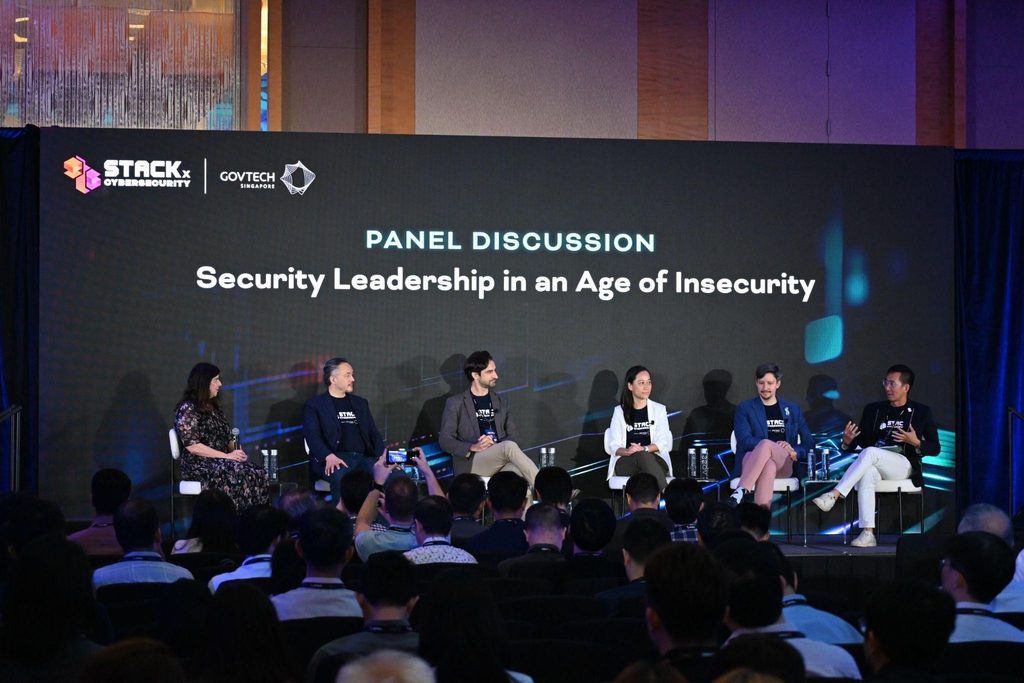
A security team may have advanced monitoring tools, detailed policies, and experienced professionals, yet still struggle when a new threat exposes a gap in its preparation. Cybersecurity depends not only on technology but also on shared knowledge, practical experience, and the ability to respond to unfamiliar situations. This is where cybersecurity seminars become valuable, giving professionals opportunities to examine current challenges, exchange ideas, and learn how other organisations approach digital risks. These discussions can also help security teams identify gaps in their existing practices and explore solutions that fit their operational needs. By learning from industry experiences, professionals can make better-informed decisions and improve their readiness for emerging cyber threats.
Learning Beyond Technical Documentation
Security documentation explains procedures, but real-world experiences reveal the difficulties involved in applying them. A presentation about ransomware, for example, may explain how an attack works, while an experienced practitioner can describe the operational decisions required during an actual incident.
These conversations help participants understand the difference between theoretical knowledge and practical readiness. They can explore why certain controls fail, which response methods prove effective, and what organisations should consider before adopting new security practices.
Recognising Threats Before They Spread
Cyber threats continue to change as attackers develop new methods to exploit software weaknesses, steal credentials, and misuse legitimate access. Security professionals must therefore keep their knowledge current.
Cybersecurity seminars provide opportunities to examine attack patterns, emerging vulnerabilities, phishing techniques, and changes in criminal tactics. Analysing these developments helps attendees recognise warning signs that might otherwise be overlooked.
The greatest value comes from understanding why an attack succeeded and what practical measures could reduce the likelihood of a similar incident.
Connecting Research With Daily Operations
Cybersecurity research often introduces new detection methods, defensive technologies, and approaches to managing risk. However, organisations need to determine whether these developments can work within their existing environments.
Discussions between researchers, security engineers, consultants, and business leaders can help bridge this gap. A promising detection technique may require specific data sources, additional computing resources, or changes to existing workflows.
Understanding these requirements helps security teams evaluate new ideas realistically rather than adopting technologies simply because they attract attention.
Comparing Different Security Approaches
Two organisations facing similar threats may choose different defensive strategies because their infrastructure, budgets, regulatory obligations, and risk tolerance differ.
One business might prioritise identity protection, while another focuses on securing industrial systems or improving cloud visibility. Discussions at cybersec events allow professionals to compare these approaches and examine the reasoning behind different decisions.
Such exchanges are particularly useful when teams need to justify investments or reconsider existing policies. They can identify practices worth adapting while recognising that every organisation must account for its own operational requirements.
Building Professional Connections Across Teams
Cybersecurity incidents rarely remain confined to one department. A data breach may involve IT operations, legal advisers, communications teams, senior management, and external service providers.
Professional networking can help individuals build relationships across these different areas of expertise. These connections may later support knowledge sharing, recruitment, collaboration, or the exchange of practical advice.
The value of networking extends beyond collecting contacts. Meaningful professional relationships make it easier to ask informed questions, compare experiences, and identify people who understand particular technical or operational challenges.
Exploring Security Challenges Through Demonstrations
Live demonstrations can make complicated security concepts easier to understand. Watching a controlled penetration test, malware analysis, incident investigation, or threat detection exercise can reveal how individual security mechanisms work together.
Demonstrations also help attendees evaluate the limitations of defensive technologies. A monitoring tool might identify suspicious activity, for instance, but an effective response still depends on alert prioritisation, investigation procedures, and the availability of accurate supporting information.
Practical sessions are most useful when they explain both the technical process and the decisions that influence the final outcome.
Evaluating Tools With Clear Objectives
The cybersecurity market includes products for endpoint protection, identity management, vulnerability assessment, threat intelligence, and security operations. With so many options available, selecting suitable tools can become difficult.
Industry discussions at cybersecurity seminars offer opportunities to learn how different solutions address particular problems. Professionals can examine integration requirements, reporting capabilities, implementation challenges, and the resources needed for ongoing maintenance.
Before making purchasing decisions, organisations should define the problem they want to solve. Clear objectives make it easier to compare products according to their actual requirements rather than relying entirely on demonstrations or marketing claims.
Preparing Teams For Incident Response
Incident response requires coordination under pressure. Teams must identify the problem, limit its spread, preserve evidence, restore affected services, and communicate with the appropriate stakeholders.
Learning from exercises and other organisations’ experiences can help professionals identify weaknesses in their own procedures. They may discover that escalation responsibilities are unclear, recovery plans have not been tested, or important systems lack sufficient monitoring.
Regular practice can address these gaps before a real incident occurs. It also helps employees understand their responsibilities, reducing confusion when quick decisions become necessary.
Understanding The Human Side of Security
Technology cannot prevent every security incident. Employees may disclose credentials, approve fraudulent requests, misconfigure applications, or share sensitive information through unauthorized services.
Effective security programmes therefore need to consider human behaviour alongside technical controls. Discussions about awareness training, reporting procedures, access permissions, and workplace culture can help organisations develop more practical safeguards.
Training is more effective when employees understand why a control matters and how to follow it in their daily work. Clear instructions and realistic exercises can encourage people to report suspicious activity without unnecessary hesitation.
Conclusion
The cybersecurity profession benefits when knowledge moves between technical specialists, decision-makers, researchers, and organisations facing similar risks. Cybersec events can support this exchange by creating opportunities to discuss emerging threats, compare defensive approaches, and examine practical security challenges.
For organisations seeking fresh perspectives on digital defence, industry collaboration, and emerging security priorities, IndoSec 2026 provides a relevant example of a forum designed to bring cybersecurity professionals together. Its wider value lies in the conversations and practical lessons that can help participants approach future security challenges with greater awareness and preparation.